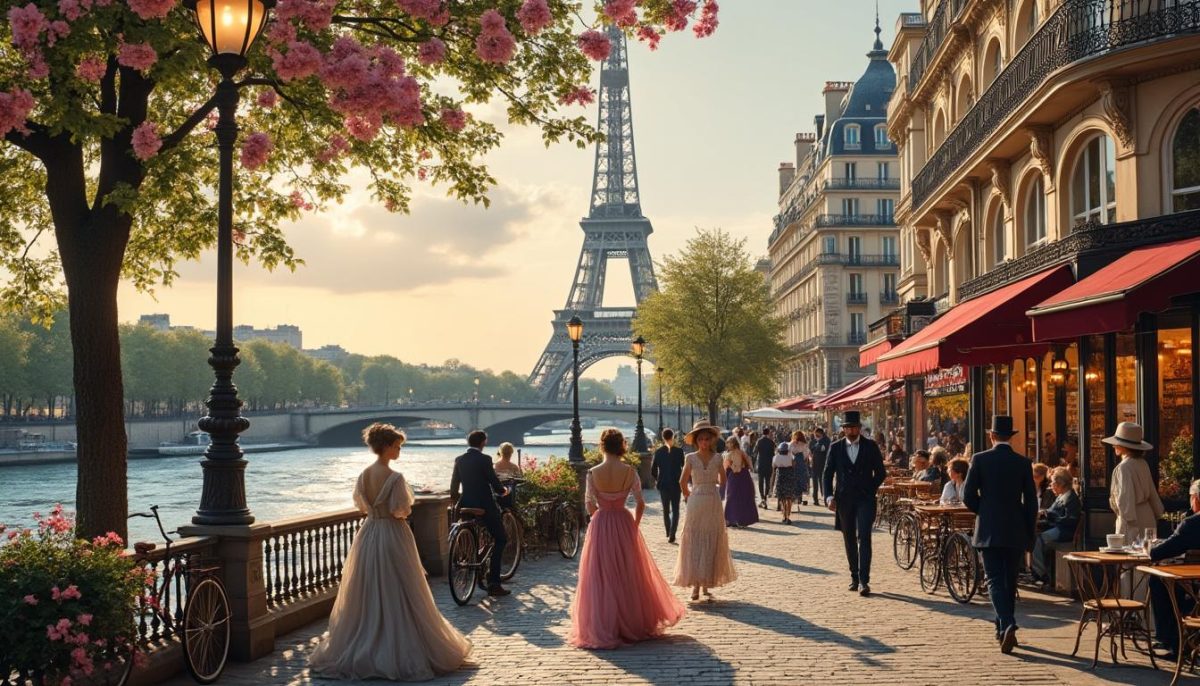
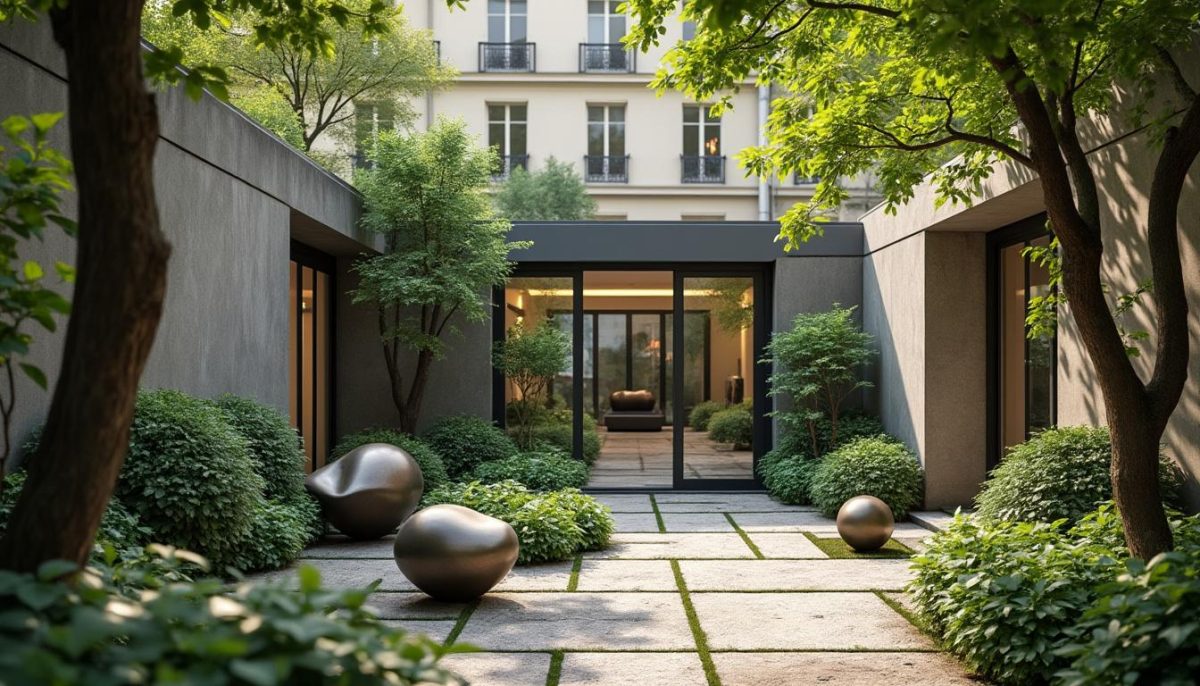
The Tino Rossi Garden, often overlooked by many visitors to Paris, is a hidden gem nestled along the serene banks of the Seine. Spanning approximately 30,000 square meters, this garden provides a tranquil escape filled with lush greenery, artistic expressions, and an unmistakable blend of culture and nature. Established in the late 1970s, the garden was named after Tino Rossi, a celebrated Cabaret singer and actor, whose legacy still resonates with many Parisians today. This spot serves as not only a scenic retreat but also an open-air sculpture museum, showcasing an impressive collection of artistic works that invite reflection and exploration.
As visitors stroll through this scenic haven, they are met with an alluring sight: sculptures from renowned artists dot the pathways, each piece harmonizing with the vibrant flora that surrounds them. The calming ambiance of the garden is punctuated by the soft sounds of the Seine’s gentle currents, creating a peaceful atmosphere ideal for contemplation or relaxation. Walking along the riverside paths, one can appreciate the interactions between humanity and nature, making it a favorite haunt for both locals and visitors.
Exploring the Unique Features of Tino Rossi Garden
The Tino Rossi Garden is not just a haven for those seeking an escape from the bustling city; it also proudly hosts the Musée de la Sculpture en Plein Air, or the Open-Air Sculpture Museum. Established in 1980, this museum features over fifty contemporary sculptures from the latter half of the 20th century, providing a stunning visual juxtaposition against the landscape. Unlike traditional museums that confine art within walls, this open-air space allows visitors to engage with the artwork in a distinctly immersive manner.
The artists represented here include titans of modern sculpture, such as Ossip Zadkine, Jean Arp, and César Baldaccini. Each sculpture tells a story, offering a glimpse into the artist’s intentions and emotions. For example, the bold forms and textures of Zadkine’s works often reflect the human experience, evoking feelings of both struggle and solace. The layout of the museum encourages explorers to meander through the garden, discovering pieces nestled among trees, along quiet pathways, and positioned to catch the light in interesting ways.
This open-air museum’s allure is enhanced by its free access, making it one of the few locations in Paris where art can be appreciated without any admission fees. This approach democratizes access to culture, ensuring that everyone, regardless of their background, can engage with contemporary art. The combination of nature and art in this setting forms a scenic fusion that feels both organic and thoughtfully curated. Visitors often find themselves returning for more, each experience revealing new layers of meaning as they observe different sculptures at various times of day.
The Natural Beauty of Tino Rossi Garden
At the heart of Jardin Tino Rossi is its inherent natural beauty. The garden features a diverse array of plant life, including planes, weeping willows, cherry trees, and various flowering species that bloom throughout the year. The scent of seasonal blossoms fills the air, enhancing the sensory experience for visitors as they navigate through the park’s winding paths. This abundance of greenery serves not only as a backdrop for the sculptures but also creates an ecosystem that supports local wildlife.
Particularly in the warmer months, the combination of outdoor art and lush plant life creates a vibrant environment. The sight of butterflies fluttering among the flowers and the sound of leaves rustling in the wind contribute to a uniquely tranquil setting. This peaceful atmosphere is enriched by the reflections of sculptures in the water of the Seine, creating a harmonious dialogue between the artwork, nature, and the river.
In addition to its visual charms, the garden also provides spaces for various activities. Visitors often engage in leisurely picnics on the grass, savoring the beauty surrounding them while enjoying a peaceful meal. The ambiance is made even more enchanting in the evenings as the garden transforms into a lively space for dancing, with tango lessons and other outdoor dance sessions drawing in spirited crowds united by a love for music and movement. Such events provide an inclusive vibe, welcoming participants of all ages and backgrounds to enjoy life along the Seine.
The Cultural Significance of Tino Rossi
Tino Rossi stands as a symbolic figure in the realm of Parisian culture, not only for his talents as an entertainer but also for his special connection to this garden. Born in Corsica, Rossi captivated audiences from the 1930s through the 1980s, performing in various venues across the city. His spirit is embodied in this garden, an enduring tribute to creativity and artistic exploration. The creation of the garden reflects a community’s desire to honor his legacy while fostering a neighborhood space where art and nature can coexist.
Furthermore, the garden plays a crucial role in promoting cultural appreciation within the city. It encourages visitors to engage with contemporary art in a relaxed environment, nurturing a sense of curiosity and exploration. As the works of famous artists are accessible to the public, they provide a wealth of educational content that inspires dialogue and critical thinking about art and its place in society.
By intertwining community engagement with artistic expression, the Tino Rossi Garden fosters unity among visitors and locals alike. It serves as a meeting point for individuals from diverse backgrounds to share experiences and ideas, reinforcing Paris’s reputation as a center for cultural exchange. Additionally, the garden hosts various events throughout the year that further bring the community together, from art exhibitions to casual gatherings, ensuring that it remains an active participant in the vibrant life of the city.
The Future of Tino Rossi Garden
As we move further into the 21st century, the significance of the Tino Rossi Garden continues to evolve. Planners and local organizations are increasingly recognizing its potential as both a cultural and recreational space. Initiatives are being arranged to enhance the garden’s accessibility and further integrate community programs that reflect the arts and culture in contemporary society.
This evolution includes collaborating with contemporary artists, allowing them to create site-specific installations within the garden, thus invigorating the space with continually changing artistic expressions. The aim is not only to celebrate Tino Rossi’s legacy but also to create a living, breathing art space that engages with current artistic movements, welcome the participation of both emerging artists and established figures.
In addition, conservation efforts are planned to preserve the lush plant life and maintain the ecological balance within the garden, ensuring it remains a beautiful refuge for both visitors and wildlife. As urban spaces continue to grow and change, it is crucial to safeguard such green sanctuaries that provide a retreat from city life.
| Feature | Description |
|---|---|
| Location | Located along the Seine, from Pont de Sully to Pont d’Austerlitz |
| Size | 30,000 square meters of green space |
| Artworks | Over 50 sculptures from artists like Ossip Zadkine and Jean Arp |
| Access | Free entry for all |
| Activities | Dancing sessions, picnicking, and art appreciation |