In the vibrant heart of Paris, near the tranquil Jardin du Luxembourg, lies the Zadkine Museum, a hidden artistic haven that captures the essence of modern sculpture. This museum, dedicated to the works of Russian-born artist Ossip Zadkine, provides an intimate glimpse into the life of a sculptor whose creations resonate with emotional depth and artistic innovation. Opened in 1982, the museum is situated in the very building where Zadkine lived and worked from 1928 until his passing in 1967. This unique premise allows visitors not just to view art, but to wander through the spaces that inspired its making, experiencing firsthand the atmosphere that shaped a great artist’s vision.
The Zadkine Museum stands apart from many larger cultural sites in Paris. It offers a quiet retreat from the bustling city, where visitors can immerse themselves in the serenity of its sculpture-filled garden. Zadkine’s masterpieces, showcasing varying media and styles, line the paths of this lush garden, inviting contemplation and appreciation. Whether you are an avid art enthusiast or someone who simply seeks a peaceful escape amidst the urban landscape, this museum offers a valuable experience fueled by creativity and passion.
Discovering the Zadkine Museum: An Artistic Immersion
The Zadkine Museum is designated to those who are fascinated by the dynamic interplay of form, color, and emotion inherent in modern art. This intimate art museum features a dazzling collection of over 200 artworks, encompassing sculptures, drawings, and engravings, illustrating the evolution of Zadkine’s artistry. Visitors will find themselves surrounded by a range of his groundbreaking works, from early experiments with form to his later iconic pieces.
One of the essential aspects of visiting the museum is the opportunity to engage deeply with the different media that Zadkine employed throughout his career. His sculptures, fashioned from materials such as stone, wood, and bronze, provide a tactile experience, allowing one to appreciate not only the visual impact but also the physicality of the art. Each piece tells a story, often reflecting profound themes related to the human experience—resilience, fragility, and connection.
The Sculpture Garden: A Serene Sanctuary
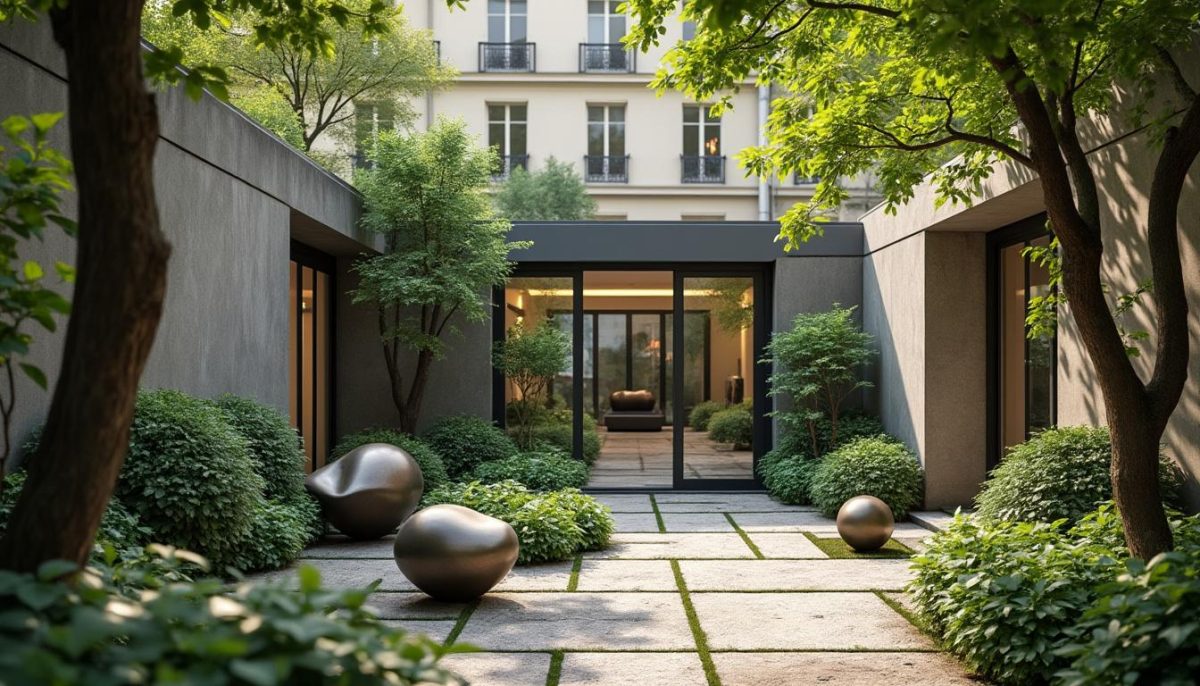
The garden surrounding the Zadkine Museum is one of its most enchanting features. Filled with numerous sculptures crafted by the artist, it serves as a living canvas that complements his works perfectly. Walking through this tranquil space, visitors can easily lose track of time, enveloped in the greenery and artistry that coexist harmoniously. The ambiance invites reflection, making it an ideal spot for art lovers and casual visitors alike.
Moreover, the garden is designed to encourage mindfulness. Statues nestled amidst flowering beds create quiet nooks perfect for contemplation. Here, one can admire notable sculptures like *La Forêt Humaine* or explore lesser-known works that reflect Zadkine’s experiments with form and light over his lifetime. Each corner of the garden presents new perspectives, emphasizing the artist’s constant evolution and keen observation of the world around him. The connection between nature and art becomes a vivid manifestation of Zadkine’s worldview, reflecting his belief in harmony between human creations and the environment.
A Journey Through History: The Evolution of the Museum
The history of the Zadkine Museum cannot be separated from the life of its namesake. Born in Belarus in 1890, Ossip Zadkine moved to Paris in 1910 and became an influential figure among the avant-garde artists of the time, mingling with contemporaries such as Modigliani and Picasso. His journey illustrates how cultural movements transcend time, forging connections between artists and their environments. In 1928, he and his wife, fellow artist Valentine Prax, settled in the building that is now the museum, where they both created art until his death nearly four decades later.
The momentum for the museum’s establishment gained traction after Prax’s passing in 1981, when she bequeathed the property to the city of Paris. Recognizing the historical significance of the site and the artist’s contributions to modern art, the city transformed it into a museum celebrating his legacy. Today, visitors can walk through rooms that once buzzed with creativity, seeing the very tools and sketches that contributed to the development of his artistic voice. The preservation of the artist’s studio enhances the experience, allowing visitors to step into his world.
The Creative Process Unveiled
Inside the museum’s interior, one can find not only sculptures but an amalgamation of sketches,tools, and unfinished works that provide insight into Zadkine’s creative process. This curated experience brings the visitor closer to understanding how art transforms from a concept to a completed piece. The remnants of his artistry demonstrate the trials of creation and the myriad forms that the artistic mind traverses on its journey. It also reflects on the persistent search for meaning, a theme recurrent in the works displayed throughout the museum.
Ossip Zadkine: A Legacy of Innovation
Ossip Zadkine is much more than just a name in the history of modern sculpture; he represents a bridge between classical artistic techniques and contemporary vision. His works, often inspired by Cubism and the influence of African art, exhibit a unique style that balances abstraction with a deep emotional resonance. Each sculpture invites viewers to engage with the subject matter—often reflective of the human condition, evoking feelings of connection and empathy.
The importance of Zadkine’s contribution to modern art cannot be overstated. During the tumultuous years of the two World Wars, he created works that poignantly addressed themes of loss and endurance. His renowned piece, *La Ville Détruite* (The Destroyed City), stands as a powerful memorial to the devastation witnessed during the Second World War. This sculpture encapsulates the fragility of civilization, allowing for reflection on the impact of war on society and humanity.
A Continued Influence
Zadkine’s legacy continues to live on today, shaping the way modern art is perceived and appreciated. His influence extends beyond Europe, reaching art communities and institutions worldwide. Throughout the years, he maintained active engagement with fellow artists and students, teaching and sharing his techniques. His commitment to nurturing future generations of artists echoes within<|disc_score|>1