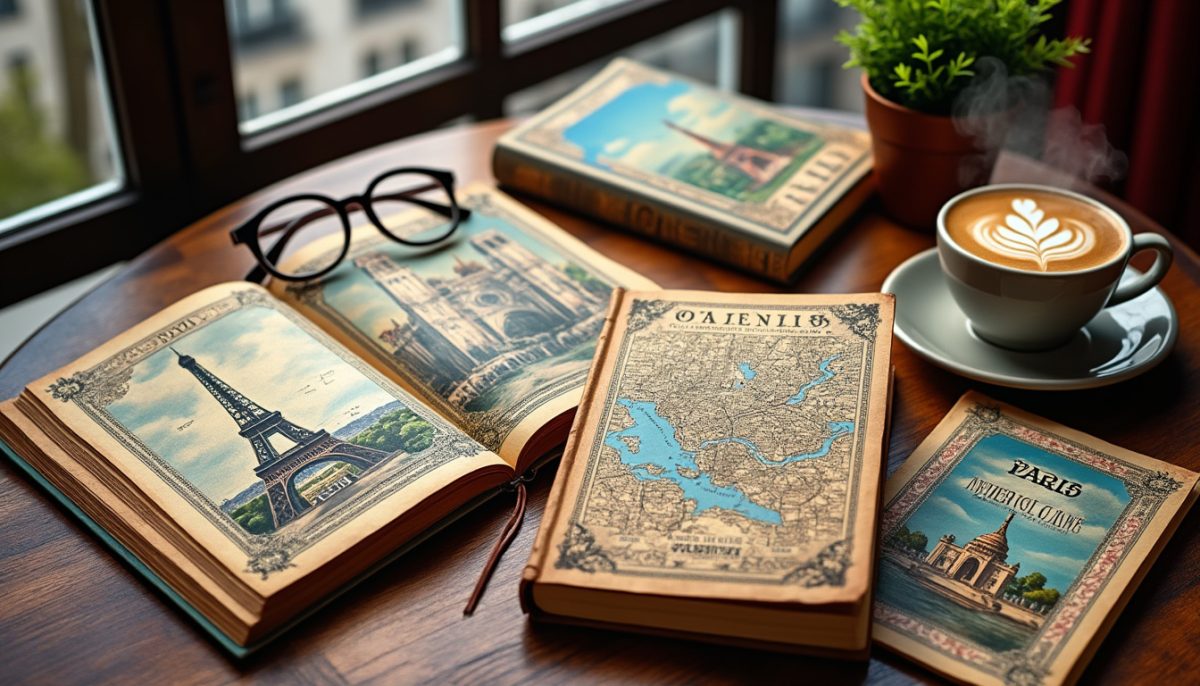
As Paris continues to enchant travelers from all corners of the globe, having the right tools at your disposal can significantly enhance your experience. Whether you’re a first-time visitor or a seasoned explorer, the essence of the City of Light lies in its labyrinthine streets, sweeping boulevards, and hidden gems waiting to be discovered. High-quality maps and well-researched guidebooks serve not just as navigational aids but also as gateways to understanding the rich layers of culture, history, and gastronomy that define this iconic city. In this exploration, we will delve into our top picks of maps and guidebooks that will empower your journey through Paris, ensuring you enjoy a seamless blend of sightseeing and local adventures.
The Importance of Reliable Maps for Your Parisian Adventure
When navigating through the vibrant neighborhoods of Paris, a reliable map is indispensable. Understanding the layout of the city can transform your travel experience, allowing you to grasp the interconnectedness of its districts and attractions. For instance, if you venture to the historic Marais district, a good map will guide you through its narrow alleyways, revealing charming boutiques and cafés that often escape the notice of hurried tourists.
Streetwise Paris Map is a localized gem that excels in this regard. With its laminated, accordion-fold design, it’s not only lightweight but also durable against the elements. Its scale of 1:14,000 provides ample detail of the central Paris area, making it an essential companion while you explore the bustling streets. The laminated surface also ensures that it remains tear-proof and waterproof—a crucial feature for those sudden Parisian rain showers.
For visitors who prefer digital solutions, various mobile apps provide interactive maps that are constantly updated. These apps often feature user-generated content, reviews, and ratings, suggesting the best current spots to visit, along with insightful travel tips. The dual nature of these tools—physical maps, which offer a tangible sense of direction, and mobile applications, which lend flexibility—means travelers can select the method that best suits their exploring style.
Moreover, neighborhoods like Montmartre, famous for its artistic heritage, can be better enjoyed with a comprehensive map that highlights points of interest, including the Basilica of Sacré-Cœur and the charming Place du Tertre. By following a well-marked route, you can efficiently enjoy both well-known attractions and hidden locales, enriching your immersion in the Parisian atmosphere.
Understanding Different Map Styles
Maps vary not just in format but in the information they convey. Some focus primarily on tourist hotspots, while others look at cultural or historical significance, helping to unlock narratives that add depth to the experience. For example, the Artwise Paris Map is tailored for art enthusiasts, showcasing museums, galleries, and historical landmarks significant to Paris’s rich artistic heritage. This focused approach allows travelers to appreciate Paris not merely as a travel destination but as a living canvas of history and culture.
Another critical aspect of navigating Parisian life is understanding its unique transport system. An effective map will include detailed metro routes, as this vibrant underground network is essential for getting around quickly. A good guidebook, like Frommer’s Paris Day by Day, incorporates a fold-out Metro map, making it not only practical but also user-friendly. This pocket-sized guide promises valuable insights, structured itineraries, and fascinating narratives that breathe life into the exploration.
An example of how specific information can enhance your travels is the intricate details on the metro map, showing stops close to major attractions. Knowing where to get off can save you valuable time, allowing for longer periods dedicated to sightseeing. Maps that include these nuances lend travelers a greater sense of independence, transforming them from passive observers to active participants in discovering the charming complexity of Paris.
Why Quality Guidebooks Are Essential
Guidebooks do more than provide direction; they offer contextual richness, helping you connect with the city on a deeper level. A high-quality guidebook like Rick Steves’ Paris is praised for its engaging narratives and practical travel tips. This book is particularly beneficial for those new to Paris, guiding them through both popular sites and lesser-known treasures, enriching their travel experience with engaging stories of the city’s past.
What sets well-crafted guidebooks apart is their frequent updates. In 2026, for example, numerous establishments may change due to evolving trends in gastronomy or tourism, making a current guidebook a necessity for anyone wishing to experience the best of what Paris has to offer. Many guidebooks now include recommended itineraries, helping you maximize your limited time without the risk of wandering aimlessly through the city’s enchanting yet sometimes overwhelming streets.
Moreover, guidebooks tend to offer much-needed travel tips for visitors with specific interests. If you lean toward gourmet experiences, sections dedicated to culinary delights lead you to acclaimed restaurants and local bistros, ensuring you savor authentic Parisian cuisine. Discovering the best spots for croissants or authentic French onion soup enhances your journey, allowing you to taste the culture of Paris in every bite.
Focusing on Themes for Deeper Exploration
One way to get the most from a guidebook is to zero in on thematic experiences that resonate with your interests. Whether it’s seeking out historic sites, diving into art galleries, or unearthing the eclectic neighborhoods that define Paris, guidebooks can align your explorations with your passion. For instance, if you’re an art lover, guidebooks often include comprehensive sections on renowned museums such as the Louvre or Musée d’Orsay, providing context for each collection and highlighting must-see artworks.
Additionally, recommendations for walking tours can enhance your understanding of Parisian culture, allowing for a more profound connection with the city. These tours, often outlined in guidebooks, can include hidden gems that larger groups might overlook. Engaging local guides with rich knowledge about the history and secrets of their neighborhoods can create lasting memories, bringing the city’s spirit alive beyond the glamorous façade often portrayed in travel brochures.
By utilizing a guidebook as a tool for thematic exploration, you can make smarter decisions on what sites to prioritize during your stay. Each chapter becomes an invitation to delve deeper, allowing you to uncover the many layers of Paris, all while nurturing your curiosity and enthusiasm for the journey.
Leveraging Technology for Enhanced Exploration
As we move further into the digital age, the use of technology in travel becomes increasingly crucial. Smartphone applications provide dynamic and interactive experiences that can complement traditional maps and guidebooks. For instance, applications like Google Maps allow travelers to have real-time access to directions, save favorite locations, and even share experiences with friends and fellow travelers.
Moreover, many of these applications include social elements, enabling users to rate attractions, share tips, and even upload photos. This interactivity fosters a shared sense of community among travelers, enhancing the exploration of lesser-known areas of Paris. The real-time updates can also help travelers avoid crowded places, allowing for a more authentic experience as they traverse the city.
Additionally, there are specialized apps focusing on specific aspects of Paris, like food or historical tours, guiding users through an engaging, customized experience. Having access to audiovisual aids within these apps allows travelers to enrich their understanding as they explore. Visual patience can transform the experience of standing in front of an iconic artwork at the Louvre, offering information on its history directly on your mobile device.
Combining Traditional and Modern Tools
While the digital realm offers innovative tools that facilitate exploration, the tactile element of a physical map or guidebook cannot be overstated. Combining traditional and modern methods enables travelers to navigate the complex Paris landscape efficiently. For example, you can use a paper map to outline your day’s routes while utilizing your smartphone for real-time updates on opening hours for attractions. This synergy ensures a smooth and enjoyable adventure.
Additionally, blending these tools can make for a unique social experience. Sharing experiences with fellow travelers at cafés while flipping through a guidebook can inspire impromptu plans, while smartphone navigation allows for spontaneous detours to explore unexpected delights. It creates a living narrative of your time in Paris, where every corner may hold a surprise.
Overall, this harmonious blend of tools allows you to tailor your Parisian adventure according to your interests and desires, leading to a more personalized travel experience. By integrating essential elements of both physical and digital travel aids, it becomes possible to discover hidden gems in a city known for its rich history and vibrant culture.
Choosing the Right Guidebooks and Maps for Your Needs
Ultimately, the best tools for navigating Paris depend heavily on your travel style and the experiences you seek. For tourists looking to cover as many highlights as possible, a comprehensive guidebook that includes efficient itineraries and maps will be invaluable. However, for more extended stays or for travelers in search of immersion, specialized guidebooks focusing on themes—such as culinary exploration or art history—can yield a much richer experience.
Meanwhile, for those who thrive on spontaneity, having a mix of flexible digital maps alongside a solid physical map can offer the best of both worlds. As you make choices about which tools to use, keep in mind that your experience is unique and should reflect your interests, curiosities, and the stories you wish to embrace as you wander through the streets of Paris.
| Guidebooks & Maps | Features | Best For |
|---|---|---|
| Frommer’s Paris Day by Day | Pocket-sized, fold-out Metro map, detailed itineraries | First-time visitors seeking structure |
| Streetwise Paris Map | Laminated, lightweight, user-friendly | Casual explorers wanting ease of navigation |
| Artwise Paris Map | Focuses on art and cultural sites, accordion fold | Art lovers interested in museums and galleries |
| Rick Steves’ Paris | In-depth narratives, practical travel tips | Travelers looking for rich stories and insights |