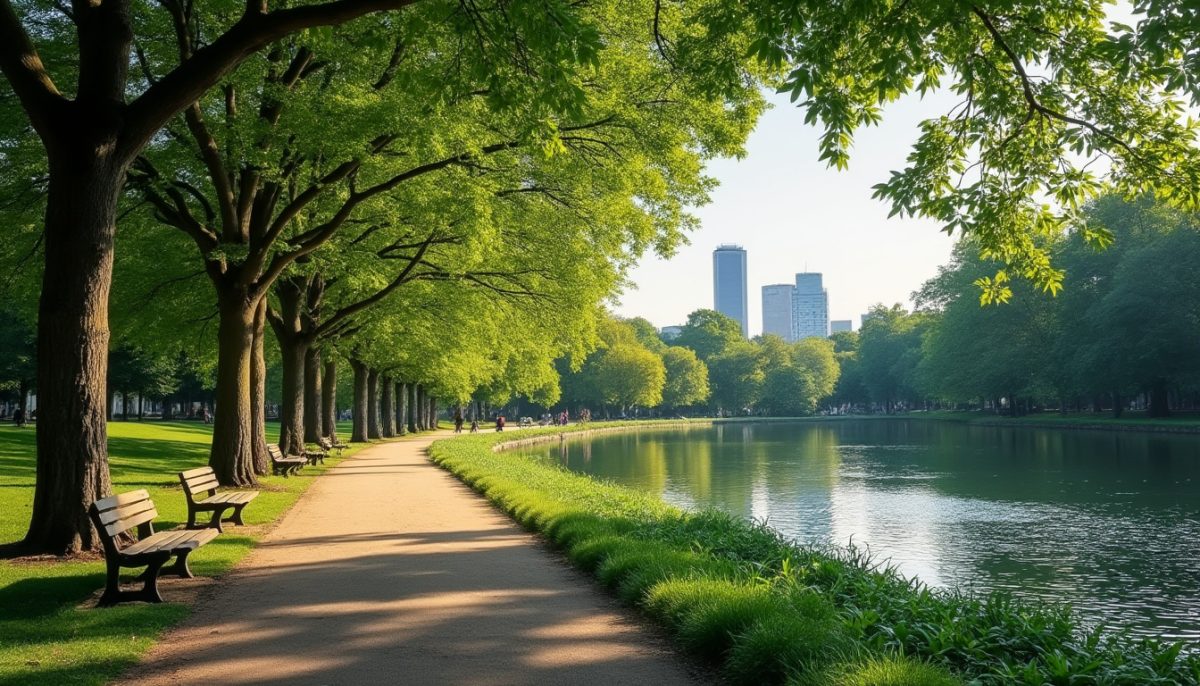
Bois de Boulogne, covering over 2,000 acres, is one of the largest urban parks in Paris, situated on the western edge of the 16th arrondissement. It stands not only as a sanctuary for nature but also as a vibrant hub for outdoor activities. Rooted in a rich historical narrative, the park’s creation dates back to the Early Middle Ages when it was designated as a royal hunting ground by Philip Augustus. Under Napoleon III’s reign, this historical space underwent a transformation that reshaped it into a modern urban forest, seamlessly blending recreation and nature. With its expansive landscapes, tranquil lakes, and well-maintained paths, the park serves as a refreshing escape from the bustling city life, presenting a unique blend of serenity and activity for both locals and tourists. As people seek refuge in its lush greenery, they participate in various outdoor activities, from leisurely strolls around the lakes to invigorating cycling adventures across scenic routes. This latest exploration delves deep into what makes Bois de Boulogne a cherished part of Paris, its attractions, and the sheer joy it brings to those who step into its embrace.
Historical Significance of Bois de Boulogne
Bois de Boulogne is steeped in rich history that reflects the evolution of France from a royal domain to a public park. Originally established as a hunting reserve in the early 13th century by Philip Augustus, the area served as a playground for French royalty for centuries. Following this royal legacy, Louis XVI opened parts of the park to the public in the late 18th century, marking a pivotal moment that paved the way for accessibility. However, the park truly transformed during the reign of Napoleon III in the mid-19th century. Inspired by London’s public parks, he commissioned Baron Haussmann to redesign the area into a recreational space that could accommodate the growing urban population of Paris.
The redesign included the introduction of lakes, streams, and a waterfall—features that contributed to the park’s current landscape. The completion of this transformation saw the planting of hundreds of thousands of trees, establishing the lush greenery that visitors enjoy today. Moreover, the park became a symbol of leisure and a destination for those escaping the urban grind. Much of what is seen today, from its broad avenues to its meticulously landscaped gardens, can be traced back to that mid-19th century overhaul. As a result, Bois de Boulogne not only serves as a green lung for the city but also stands as a testament to Paris’s historical shifts and the progressive vision aimed at enhancing public life.
Among its historical landmarks, the Château de Bagatelle stands out, constructed in 1777 after a wager that it would be completed in just sixty-four days. Its beautifully landscaped surrounding gardens are an ode to the period’s luxurious tastes. Today, the estate draws thousands of visitors, eager to explore its famed rose garden and timeless elegance. The blend of historical importance and contemporary amenities makes Bois de Boulogne a fulfilling visit, offering layers of stories waiting to be uncovered by anyone walking its paths.
Activities and Attractions within the Park
Bois de Boulogne is a vibrant ecosystem that boasts a plethora of recreational offerings, making it a perfect destination for outdoor enthusiasts. The park is designed for various activities, ranging from leisurely strolls to engaging in more vigorous pursuits. One of the most popular features of the park includes its two picturesque lakes: Lac Supérieur and Lac Inférieur. These lakes serve as a backdrop for multiple activities. Visitors often rent rowboats, taking in the serene waters while enjoying a unique perspective of the park’s natural beauty. The connections between these lakes, facilitated by artificial streams, enhance the park’s scenic allure, creating pathways for exploration.
Bois de Boulogne also features extensive network of walking and cycling paths, allowing visitors to traverse through its woods, gardens, and open spaces. Each path presents a different aspect of the park’s landscape, whether you’re cycling beside the lakes or hiking through the tranquil woodlands. Runners find comfort in the quieter routes, offering a refreshing alternative to the bustling streets of the city center. The joy of cycling or hiking here is magnified by the lush greenery and the whispers of nature that accompany each step.
The park is home to family-friendly attractions, including the Jardin d’Acclimatation and the renowned Fondation Louis Vuitton. The Jardin d’Acclimatation blends gardens, amusement rides, and playgrounds, making it a hit with children and families alike. It’s the embodiment of fun interlaced with nature, providing educational experiences about the environment while ensuring the children remain entertained. The Fondation Louis Vuitton, designed by the iconic architect Frank Gehry, doubles as an art museum and a cultural hub, hosting temporary exhibitions that capture the imagination. Visitors can enjoy artistic explorations after an invigorating day spent outdoors.
Diverse Dining Options in the Park
Bois de Boulogne features a range of dining experiences that complement its serene environment. Nestled within the park are two Michelin-starred restaurants: La Grande Cascade and Le Pré Catelan, each offering a distinctive culinary journey. La Grande Cascade, located beside an artificial waterfall, combines elegance with a tranquil ambiance. Housed in a former hunting lodge, this establishment has maintained its Michelin star status since 2004, captivating diners with its exquisite French cuisine amid stunning views of forested surroundings.
Le Pré Catelan stands out in its own right, with its history tracing back to the mid-19th century. Now boasting three Michelin stars, the restaurant is helmed by chef Frédéric Anton, who also takes charge of the culinary artistry at the Eiffel Tower’s Le Jules Verne. It serves diners exceptional meals in a charming pavilion embraced by gardens. For anyone looking to savor a distinguished culinary experience right in the heart of nature, these dining options promise an unforgettable journey of flavor and ambiance.
Reservations are highly recommended, particularly on weekends and during warmer months, ensuring that your experience in this urban oasis is as seamless as possible. Diners can enjoy an elegant meal against the backdrop of Bois de Boulogne’s lush landscapes, truly merging gastronomy with nature in a manner unique to Paris.
Environmental Importance and Conservation Efforts
Amid the enchanting aesthetics of Bois de Boulogne lies an essential focus on environmental conservation and harmony with nature. Not only does the park serve as a recreational area for individuals seeking escape within the confines of urban life, but it also plays a significant role in improving air quality and promoting biodiversity within the city. By producing a substantial amount of oxygen through its abundant tree population, Bois de Boulogne operates as a vital ecological haven for flora and fauna. It creates a necessary balance in Paris’s urban landscape.
The park’s design includes numerous native plants adapted to the local climate, facilitating a self-sustaining environment. The emphasis on conservation extends beyond the preservation of trees; initiatives to maintain the health of the lakes and the wildlife that inhabits them are paramount. The park gives rise to various species, underscoring its role as a green sanctuary amid the urban expanse. Visitors often spot diverse birds and even small mammals, enriching the park’s ecological tapestry.
In recent years, efforts have intensified to maintain the park’s natural beauty. Conservation programs aim to restore native habitats, ensuring that the delicate balance within this ecosystem is preserved for future generations. Numerous organizations collaborate with the city to monitor and enhance biodiversity, focusing on sustainable practices. Bois de Boulogne stands not just as a recreational space but as a living testament to the need for ongoing environmental stewardship amidst the pressures of urbanization.
Conclusion: The Allure of Bois de Boulogne
Bois de Boulogne continues to be a vibrant green space that defines the western edge of Paris. Its historical significance, diverse recreational offerings, and importance in the broader context of urban ecology come together to form a unique tapestry that both locals and tourists appreciate. As one navigates the tranquil paths or enjoys the culinary masterpieces served within the park’s two Michelin-starred restaurants, the essence of what makes Paris so unique – a beautiful blend of history, culture, and nature – comes to life. Constantly adapting to the needs of the city while remaining loyal to its rich past, Bois de Boulogne invites everyone to explore its beauty, engage with its culture, and cherish its natural wonders.
| Activity | Description | Location |
|---|---|---|
| Rowboating | Rent a rowboat and explore the serene lakes. | Lac Supérieur, Lac Inférieur |
| Cycling | Enjoy cycling through the picturesque paths. | Throughout the park |
| Dining | Experience fine dining at Michelin-starred restaurants. | La Grande Cascade, Le Pré Catelan |
| Art Exhibitions | Visit the Fondation Louis Vuitton for contemporary art. | East side of the park |
| Family Activities | Explore rides and gardens at Jardin d’Acclimatation. | Adjacent to Fondation Louis Vuitton |