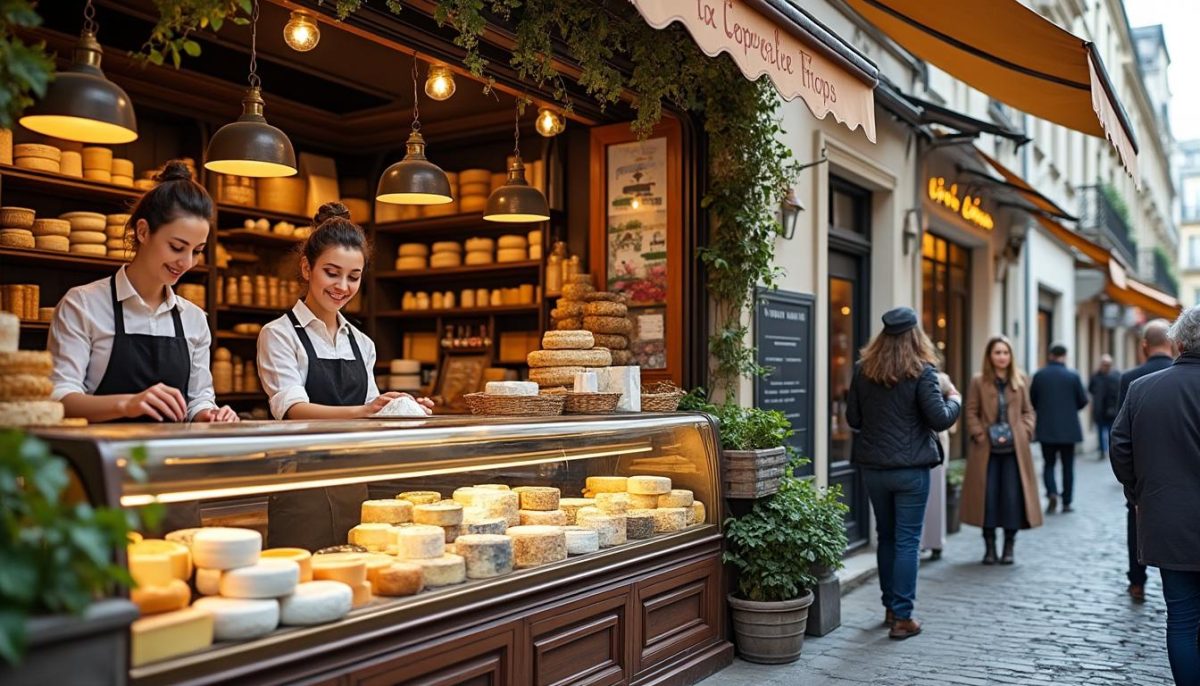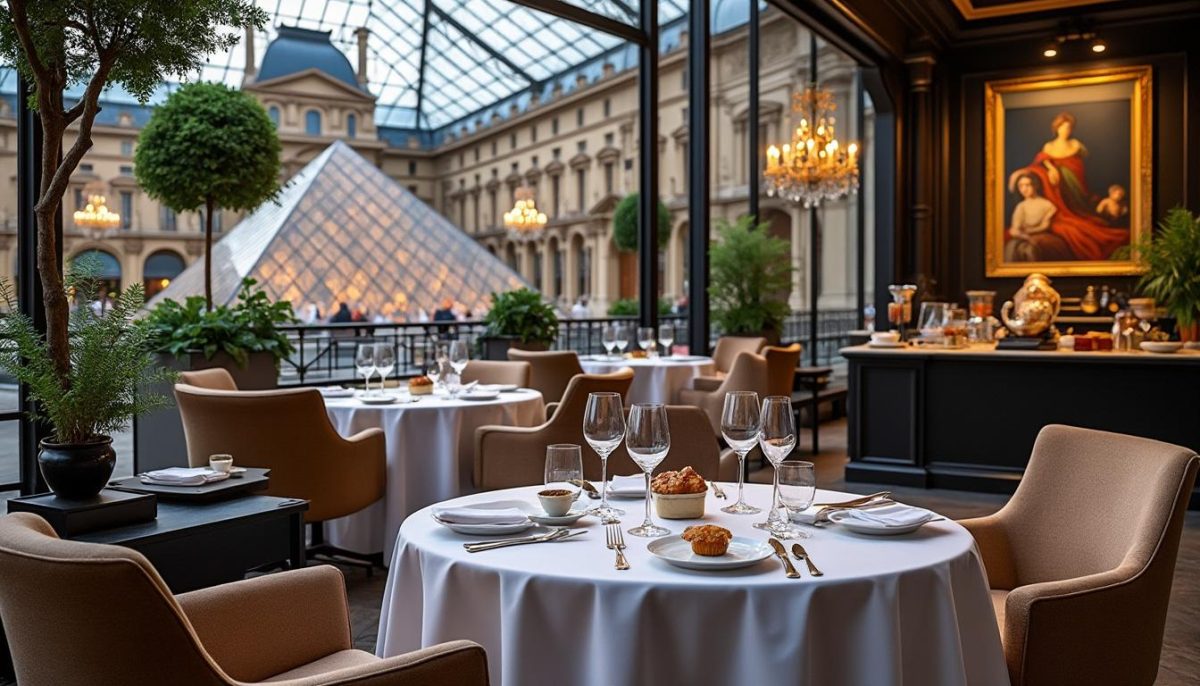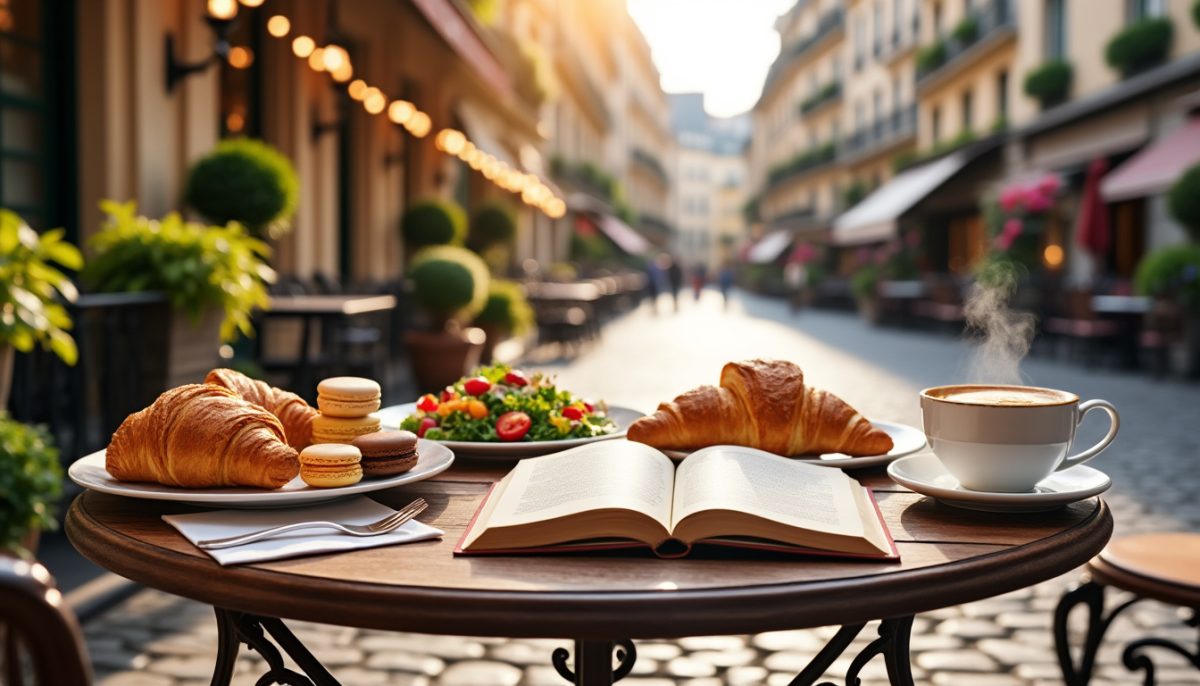
In the heart of Europe lies a remarkable city, where the past and present intertwine, giving rise to endless stories and culinary delights. Paris is not merely a destination, but a living tapestry rich in culture, food, and literature. The City of Light invites each visitor to explore its hidden gems and embrace flavors that have been perfected over generations. The essence of Paris is encapsulated in the vast array of literature that sings its praises, making it a beloved backdrop for countless authors and food enthusiasts alike.
As wanderers, we often find that our dreams of this captivating city are best nourished through books that capture its charm and depth. From memoirs that recount intimate journeys to culinary guides that reveal the best dining secrets, Parisian literature offers an immersive experience. As we delve into the essence of Paris through various narratives and flavors, we embrace its spirit not just through travel, but through the pages of well-loved books.
Exploring Paris through Culinary Literature
The culinary scene in Paris is notorious; it is an intricate dance between tradition and innovation, a reflection of the city itself. Many authors have taken it upon themselves to document this vibrant culinary landscape. One such author is Alex Lobrano, whose work “Hungry for Paris” encapsulates this astonishing variety of culinary experiences. Lobrano takes readers on a mouthwatering journey through different neighborhoods, introducing iconic bistros and hidden gems that every food lover ought to explore. Readers are treated not just to the dishes served but also to the stories behind them, which adds an intimate connection to the experience.
It is important to note that the cuisine of Paris extends beyond mere gastronomy. It represents a cultural celebration. In “A Moveable Feast,” Ernest Hemingway reflects on his time in Paris during the 1920s while chronicling the lives of other influential figures, such as F. Scott Fitzgerald and Gertrude Stein. Through Hemingway’s eyes, we discover that every meal shared, every glass of wine raised in laughter, contributes to the rich tapestry of the Parisian culinary identity.
On this culinary journey, we should also take a moment to appreciate the remarkable style of cooking provided by Julia Child. Her contributions, particularly in “Mastering the Art of French Cooking,” introduced French cuisine to the American public, making it more approachable. This bridge between cultures shows the weight that food carries in terms of community, belonging, and shared experiences. These texts allow readers not only to appreciate these culinary traditions but also to recreate them within their own homes, embodying the spirit of Paris in every bite.
The Power of Storytelling in Paris
Books about Paris are not solely confined to food; they often encompass powerful narratives that reflect the city’s rich history. The act of storytelling is woven into the very fabric of Parisian culture. John Baxter, for example, delves into this theme in his book “Paris at the End of the World,” which explores Paris during World War I. By shining a light on this underrepresented era, Baxter invites readers to understand the resilience of Parisians during times of hardship.
Amidst the backdrop of war, Baxter illustrates how love, creativity, and community thrived, allowing Paris to sparkle even in darkness. His literary exploration mirrors the city’s ability to maintain its allure and charm, reinforcing the idea that creativity can flourish even in adversity. This lens provides depth and complexity to our understanding of Paris beyond the typical tourist narrative.
Books such as “The Most Beautiful Walk in the World” by Baxter demonstrate the significance of walking in understanding Paris. The act becomes a form of storytelling in itself; through strolls along the Seine or explorations of quaint alleys, every path leads to new discoveries and connections. Through these literary adventures, readers can almost feel the cadence of the city, allowing them to participate in the story.
Memoirs and Personal Journeys: Heartfelt Connections
Beyond culinary delights and historical tales, memoirs give readers a uniquely personal perspective of Paris. These stories often explore profound themes of connection, identity, and the transformative power of travel. Jennifer Coburn’s “We’ll Always Have Paris” traces a mother-daughter adventure throughout Europe, emphasizing the value of shared experiences and memories formed on the road. The book illustrates that travel isn’t solely about the destinations; it’s about the journey and the bonds formed along the way.
This resonating theme is echoed in our own lives, where we often find that the stories we tell, and those we hear, shape our understanding of both ourselves and the world around us. Travel memoirs encourage self-reflection and contemplation, providing insights into how the experiences we seek can change our perspectives. Paris serves as an ideal backdrop for such explorations, as its streets are replete with countless stories waiting to be uncovered.
As we navigate through personal narratives and memoirs that revolve around Paris, we encounter various voices and experiences. From accounts of fleeting romances to transformative moments of self-discovery, these stories invite readers to walk in the shoes of others, sparking a connection that transcends time and distance. Each tale encourages readers to reflect on their own travels and the beautiful moments captured in the pages of their lives.
The Impact of Parisian Literature on Travel Experiences
For many, literature becomes a guiding beacon, providing insight into what to expect while navigating the wonders of Paris. The ability of books to inform and enrich the experience of traveling is immeasurable. Consider a traveler preparing for a trip to Paris; a guidebook can simplify the logistics, but literary narratives foster a deeper connection to the city itself.
Imagine walking through Montmartre, the same streets touched by artists like Pablo Picasso and writers like Henri Miller, all revealed through captivating stories. Books like “Paris, Paris” by David Downie allow readers to envision the city through the lens of their personal adventures, providing hints on the best cafés, markets, and experiences to seek. Such books act as both a map and a companion, making each step in Paris a bit more meaningful.
Furthermore, these works inspire readers to cultivate a sense of curiosity about the culinary landscape of the city. With titles that explore the finest chefs and their innovations in restaurants, it’s easy to see why these stories cultivate a sense of appreciation for the artistry involved in cooking. Understanding the journey of these chefs invites a connection — one that transcends beyond the dining experience and into the realm of personal passion and dedication.
| Book Title | Author | Theme |
|---|---|---|
| Hungry for Paris | Alex Lobrano | Culinary exploration |
| A Moveable Feast | Ernest Hemingway | Literature and food |
| Paris at the End of the World | John Baxter | Historical reflections |
| We’ll Always Have Paris | Jennifer Coburn | Travel and connections |
| Paris, Paris | David Downie | Cultural adventures |
Finding Your Own Paris: Cultural Experiences
As readers dive into the vast sea of literary works surrounding Paris, they naturally develop a desire to explore and experience the city for themselves. Bookish adventures often lead to tangible experiences, encouraging individuals to visit iconic landmarks, partake in culinary classes, or simple strolls along beautiful streets. Each visit unveils layers of culture, encapsulating the allure that Paris has held for centuries.
The notion of “finding your own Paris” resonates deeply with those who have turned the pages of travel memoirs and culinary guides. Each story serves as a reminder that every visitor crafts their narrative while discovering hidden treasures. A visit to the Parc Buttes-Chaumont, for example, invites individuals to relax in nature’s embrace while reflecting on the stories that brought them there. Combining the beauty of landscapes with the richness of literature fosters a sense of belonging.
Additionally, engaging with local culture transcends the well-trodden tourist paths. Attending events such as the Nuit Blanche, an annual art festival, or exploring world-class museums creates a sense of intimacy with the city. The experience deepens when combined with literary insights, immersing individuals in the art, history, and creativity that thrive in Paris.