A city steeped in history and culture like Paris deserves a museum that reflects its rich tapestry. The Carnavalet Museum fulfills this role beautifully, offering an unparalleled journey through the various epochs of Parisian history. Newly renovated, it is now more accessible than ever, inviting both tourists and locals to delve into its extensive collection. With no entrance fee, it stands as a testament to the city’s dedication to preserving its heritage. Nestled in the charming Marais district, the museum blends seamlessly into its historic surroundings, making it a must-visit destination for anyone eager to understand the essence of Paris. From ancient artifacts to memorable moments of the French Revolution, the Carnavalet Museum is the ideal gateway for those looking to explore the events and personalities that have shaped not only Paris, but also France as a whole.
The Foundation of Parisian History: The Carnavalet Museum
The Carnavalet Museum is notably recognized as the ultimate historic museum dedicated to the multifaceted story of Paris. It captivatingly houses over 600,000 artifacts that illuminate pivotal chapters of the city’s past. The museum is split between two elegant Renaissance mansions, creating a unique atmosphere as visitors walk through intricately designed rooms filled with historical treasures. Established in the late 19th century, the museum’s ongoing evolution speaks volumes about its commitment to presenting Paris history in engaging ways.
Hôtel Carnavalet, built in 1560, originally served as a private residence before its transformation into a museum. Renowned for its architectural beauty, the mansion has hosted various influential figures throughout history. For instance, Madame de Sévigné, a famous writer of the 17th century, called it home, adding layers of literary significance to its walls. The shift from a private residence to a museum symbolizes a broader shift in Paris, reflecting the city’s growing self-awareness and desire to cultivate its identity.
The museum officially opened its doors in 1880 after the tumultuous events surrounding the Franco-Prussian War and the Paris Commune. Through the decades, it has adapted its narrative, integrating new displays that resonate with both timeless and contemporary themes. This ongoing process of renewal was especially evident during the recent renovation that took place between 2016 and 2021, wherein additional exhibition spaces were created to enhance the visitor experience.
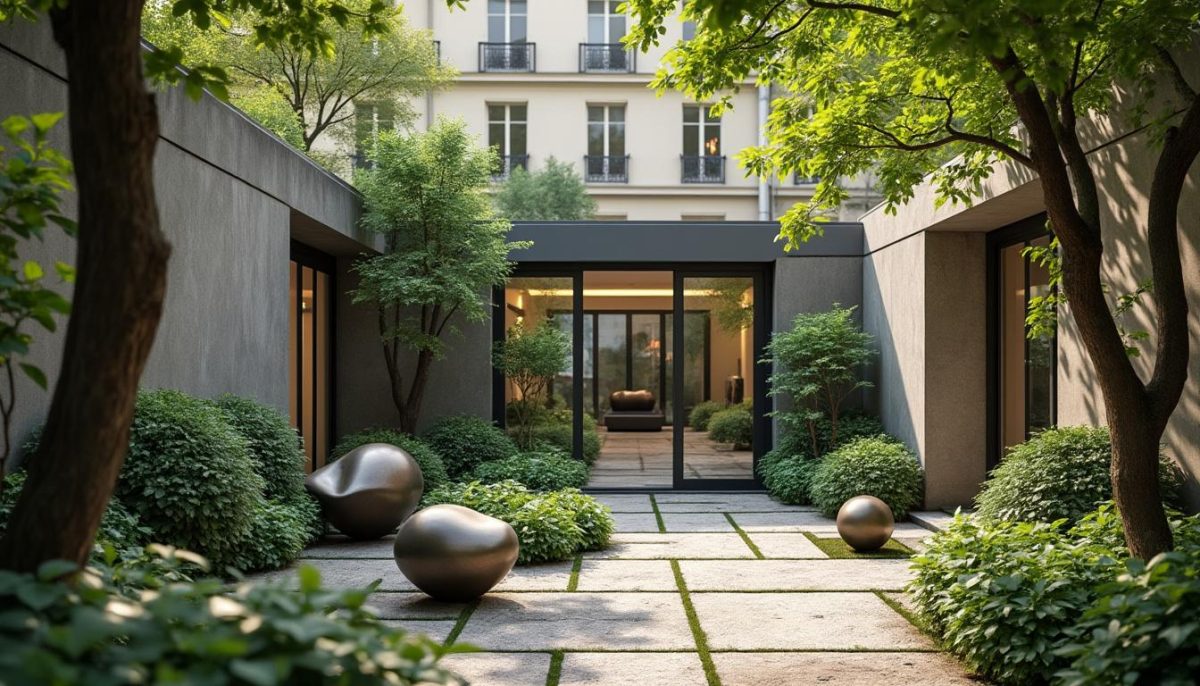
This renovation transformed the layout, introducing a chronological pathway that allows visitors to navigate through the city’s history seamlessly. Spanning over 1.5 kilometers and covering approximately 100 rooms, this journey invites exploration from the very depths of prehistory to the modern era. The experience culminates in beautifully revived courtyard gardens, offering visitors a tranquil place to reflect on what they’ve learned.
A Thematic Odyssey: Exploring Carnavalet’s Exhibits
The Carnavalet Museum organizes its vast collection through various thematic sections, each designed to highlight different periods in Parisian history. From the primal origins of the city to the extravagant Belle Époque, the museum offers a rich tapestry that captures the essence of each era.
One of the initial stops for visitors is the newly inaugurated basement, where the journey begins with artifacts dating back to prehistoric times. Among these treasures, one finds a mesmerizing dugout canoe carved from a single piece of oak, a testament to the ingenuity of early Parisians. This ancient artifact anchors the museum in the deep historical roots of the city, contrasting sharply with the more modern exhibits found on upper floors.
As we ascend through the museum, displays shift from prehistory to the Middle Ages and Renaissance. In these sections, the themes of artistic expression and societal evolution come to the forefront. Artworks and artifacts from the French Revolution resonate powerfully, narrating tales of struggle and aspiration. The museum’s meticulous curation ensures that each item contributes to a coherent narrative, painting vibrant portraits of Paris across the ages.
The French Revolution is a particularly pivotal focus of the museum, allowing visitors to immerse themselves in one of the most transformative periods in not just Paris, but global history. Paintings, personal letters, and various memorabilia illuminate the fervor and passion that drove Parisians to seek change. The exhibits cleverly synthesize the chaos and excitement of the era, evoking strong emotional reactions that remind us of the struggles for freedom and justice.
A Hidden Gem in the Marais: More Than Just Exhibits
Despite its notable offerings, the Carnavalet Museum remains somewhat hidden among its more famous counterparts like the Louvre and Musée d’Orsay. Located in the vibrant Marais neighborhood, the museum’s understated charm is a quality that attracts those curious enough to venture beyond the more tourist-trafficked areas of Paris. What makes it especially inviting is its free entry, which encourages a diverse audience to partake in its rich educational experience without the pressure of ticket costs.
In addition to its extensive collection, the museum focuses on creating an inclusive atmosphere for families and international visitors. Recently redesigned displays cater to younger visitors, featuring child-friendly artifacts and informative signs that make history accessible and fun. As a result, families can explore Paris’ cultural heritage together, making lasting memories while learning about the past.
Moreover, the museum’s café, situated in its picturesque courtyard, serves as a lovely spot for relaxation. Here, visitors can savor light bites and refreshments in an ambiance defined by serene gardens and a historic backdrop. The passing seasons bring life to this outdoor dining space, as it often hosts pop-up dining experiences that celebrate the innovative spirit of Parisian cuisine.
The Journey Continues: Cultural Heritage and Future Experiences
The Carnavalet Museum serves as a beacon for anyone interested in understanding the complexities of French culture. With its dynamic selection of artifacts, the museum narrates stories of resilience, creativity, and transformation through time. As Paris continues to flourish in the face of modern challenges, the museum stands ready to evolve with it, constantly adapting its narrative to reflect current sentiments and discoveries.
For visitors interested in multi-layered stories of the city’s evolution, the museum serves as a treasure trove of insights. Each time one walks its halls, there’s the thrill of uncovering new facets of Paris’ character and spirit. The careful curation of exhibits ensures that history does not remain stagnant, instead bequeathing invaluable lessons to future generations. Each artifact tells a story, and as such, the museum perpetuates a dialogue between past and present.
In light of festivals and special exhibitions, the Carnavalet Museum will continue to host events that bring Parisian history to life. It remains a central hub for those wanting to connect with the city’s profound heritage, presenting narratives that might otherwise fade into the shadows of history. To ensure broader access, collaborations with various community organizations reflect the museum’s ongoing commitment to inclusivity.
Bibliography and Visiting Information
For those interested in embarking on this captivating journey through Parisian history, the Carnavalet Museum is accessible via public transportation, with the nearby St-Paul and Chemin Vert metro stations making it easy to reach. Operating hours typically run from 10:00 AM to 6:00 PM, except Mondays and public holidays.
| Day | Opening Hours |
|---|---|
| Monday | Closed |
| Tuesday to Sunday | 10:00 AM – 6:00 PM |
To learn about the latest exhibitions and events, visitors can refer to the official museum website. So, whether you’re a history buff or a casual visitor, add the Carnavalet Museum to your itinerary and witness a vibrant chapter of Parisian history come to life in one of the most charming neighborhoods of the city.