In the bustling heart of Paris, beyond the grand avenues and well-trodden tourist paths, lies a treasure waiting to be explored: the Musée Bourdelle. This hidden gem not only serves as a museum but also as a glimpse into the life of one of France’s most significant sculptors, Antoine Bourdelle. Established in his former home and studio in the 15th arrondissement, the museum presents a perfect blend of history and artistry, showcasing an array of sculptures, sketches, and personal artifacts. Here, visitors find access to Bourdelle’s creative realm where he spent 45 years dedicated to his craft. The museum’s intimate atmosphere allows for a deeper connection with his works, making it an essential stop for those looking to understand both the man and his creations.
Walking through the museum, one can visualize the passion and dedication that Bourdelle poured into every piece of art. From monumental sculptures to private sketches, each exhibit narrates a unique story about the intersections of art and life during the late 19th and early 20th centuries. The Musée Bourdelle acts as a portal into an artistic era defined by innovation and emotional depth, where the boundaries of sculpture were pushed to new heights. This article delves into the various aspects of the museum, exploring its exhibits, the artist’s journey, and their influence on modern art.
The Historical Significance of Musée Bourdelle
Located in the bustling Montparnasse area, the Musée Bourdelle stands as a testament to the vibrant artist community that once thrived in Paris. Antoine Bourdelle, born in 1861, emerged as a pivotal figure in the evolution of monumental sculpture. His artistic journey began in a humble workshop under the guidance of his father, but his talent soon propelled him into the elite circles of Parisian art. By 1885, Bourdelle secured his studio at 16 Impasse du Maine, a space that would become integral to his creative process. This studio, virtually unchanged since his lifetime, provides an exceptionally preserved glimpse into the world of an artist who straddled the line between tradition and modernity.
What sets the Musée Bourdelle apart is its unique origin story. After Bourdelle’s passing in 1929, his wife and daughter donated many of his works to the City of Paris, leading to the establishment of this museum in 1949. This historical context enriches every visitor’s experience, offering a narrative that extends beyond mere artistic appreciation. The museum not only highlights Bourdelle’s contributions to sculpture but also reflects his relationships with contemporaneous artists, including his mentor, Auguste Rodin.
As you wander through the museum, the space itself becomes an artwork. The layout mirrors Bourdelle’s creative environment and even includes the garden where he took inspiration. This preserved setting encourages visitors to immerse themselves fully in the ambiance that shaped Bourdelle’s work. Elements of the Bohemian lifestyle are evident, inviting one to reflect on the artistic movements that defined this period. The museum’s charm lies in this intimate exploration of art history, a rarity in a city known for its grandiose landmarks.
A Deep Dive into the Works of Antoine Bourdelle
Upon entering the Musée Bourdelle, what immediately captures attention are the numerous sculptures that dominate its rooms. There are over 2,000 pieces, including plaster casts, bronzes, marbles, and clay figures. This extensive collection highlights Bourdelle’s versatility and innovative spirit. A particularly striking aspect of his work is the monumental sculpture titled Hercules the Archer, which gained widespread acclaim for its dramatic pose and emotive expression, marking Bourdelle’s reputation as a master of form.
In addition to sculptures, the museum houses an impressive array of drawings, totaling around 6,200, created throughout Bourdelle’s life. These sketches provide insight into his artistic process, revealing that he viewed sculpture fundamentally as a form of drawing in three dimensions. Every pencil stroke reflects his deep understanding of anatomy and proportion, offering a rich contrast to the later, finished works. The collection of drawings is further complemented by various mediums, including pastels and watercolors, allowing for a comprehensive understanding of Bourdelle’s artistic evolution.
The museum also showcases an extensive photographic archive, comprising over 20,000 photographs that document Bourdelle’s life and work. These images, often featuring models, pupils, and members of his family, create a personal connection to the artist. They reveal not just the artist’s significant works, but also the everyday moments that influenced his creative journey. Bourdelle was deeply committed to documenting his artistic endeavors, and this archive serves as a treasure trove of history for art enthusiasts and researchers alike.
Exploring Bourdelle’s Unique Style
Bourdelle’s artistry exemplifies the bridge between the classical and the modern. He drew inspiration from ancient cultures while embracing contemporary themes and techniques. This fusion is evident in his choice of materials, often utilizing bronze and plaster to create evocative forms that resonate with emotional depth. His works frequently explore themes of human struggle and triumph, expressed through the physicality and solidity of his sculptures. This intrinsic connection between form and meaning makes each exhibit in the Musée Bourdelle a captivating experience.
The Role of Architecture in Enhancing the Artistic Experience
The architecture of the Musée Bourdelle significantly contributes to the appreciation of its collections. The original studio, preserved as a working space, allows the visitor to step into Bourdelle’s shoes, to experience the very environment that sparked his creativity. This attention to spatial context elevates the artworks, encouraging contemplation and engagement. The museum’s layout promotes a flowing journey through different exhibitions, making it easy to draw connections between the works and the artist’s methodologies.
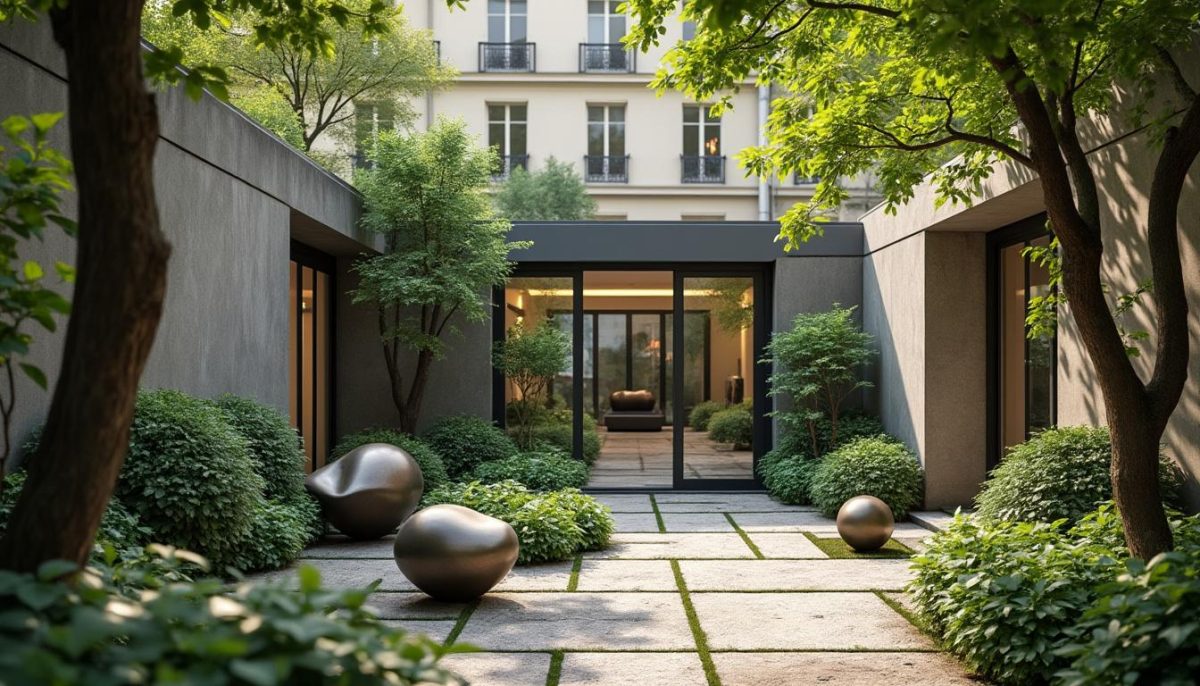
The exterior of the museum, featuring a blend of traditional and modern architectural elements, reflects the dualities found in Bourdelle’s own work. Visitors are greeted by an inviting entry that opens into lush gardens, enhancing the sensory experience of viewing art. The interplay between outdoor and indoor spaces enables guests to appreciate nature’s influence on the artist. The tranquil setting evokes both reflection and inspiration, reminiscent of the creative processes that took place here.
Connecting Visitors to Art History
By offering free admission to its permanent collections, the Musée Bourdelle ensures that its treasure trove of art history is accessible to all. It fosters a welcoming environment that encourages a diverse array of visitors to connect with Bourdelle’s work. This aspect of the museum reflects today’s commitment to inclusivity in the arts, making it an important cultural institution in Paris. Visitors can spend hours engaging with the pieces, digging deeper into Bourdelle’s artistic narratives.
The Experience of Visiting Musée Bourdelle
A visit to the Musée Bourdelle is not merely an act of viewing art; it is an immersive experience. The museum’s guided tours, often led by knowledgeable curators, further enrich this journey. These tours delve into not only Bourdelle’s artistic techniques but also his relationships with contemporaries and his influence on subsequent generations of artists. The engaging narratives offered by the guides transform the visit into a lively discussion of art history, making every tour a unique event.
In addition to tours, the museum often hosts art exhibitions that rotate throughout the year. These exhibitions may feature contemporary artists inspired by Bourdelle’s techniques or showcase thematic aspects of his oeuvre. Such initiatives keep the museum dynamic and relevant, allowing it to remain a vital part of the Parisian cultural landscape. Visitors can often find themselves in intriguing dialogues about how historic artworks continue to inform and shape modern creativity.
To access the museum, patrons can easily navigate through the 15th arrondissement, an area rich with its own charm and history—perfect for a leisurely stroll or a day dedicated to art exploration. Whether you’re a local or a tourist, a journey into the heart of Paris leads to the Musée Bourdelle, where art transcends time and invites you into its historical embrace.
| Characteristic | Detail |
|---|---|
| Location | 15th Arrondissement, Paris |
| Established | 1949 |
| Number of Sculptures | Over 2,000 |
| Drawings | 6,200 |
| Photographs | 20,000 |