In the vibrant heart of Paris, amidst the buzzing streets of the Left Bank, lies an often-overlooked gem that offers a unique glimpse into the life of Eugène Delacroix, a pivotal figure in art history. The Delacroix Museum, housed in the very apartment where the French artist lived and worked in the final years of his life, provides an intimate setting that encapsulates the essence of his creativity and passion for art. This historic museum has become a sanctuary for art lovers and a point of pilgrimage for those wanting to engage with Delacroix’s legacy directly. Visitors will not only find a collection that reflects the depth of Delacroix’s work but also gain insight into the personal world of a man who played a critical role in shaping the Romantic movement in painting during the 19th century.
As you navigate through the charming streets leading to the museum, anticipation builds. Upon entering, you are greeted by a serene atmosphere, a stark contrast to the bustling Parisian life outside. Climbing the narrow staircase leading to the apartment feels like stepping back in time, as if you are about to meet a friend in their home. With each step, the walls echo the vibrancy of Delacroix’s life and artistry, inviting visitors to explore and appreciate the profound influence this French artist had on both his contemporaries and future generations.
The Evolution of the Delacroix Museum: A Journey Through Time
The journey from a private apartment to a recognized national museum is a testament to the enduring legacy of Eugène Delacroix. After his death in 1863, there was a long road ahead before his home would be transformed into a museum. Initially intended for demolition in the early 20th century, the building was saved by the efforts of the Société des Amis, a group of admirers who recognized the importance of preserving Delacroix’s heritage. In 1954, the building was donated to France, although it took another 17 years for it to officially become a national museum.
This timeline reflects not only the appreciation for Delacroix’s genius but also the tenacity of those who believed that his lifestyle and works deserved recognition. The apartment serves as a time capsule, capturing the essence of an artist who grappled with his influences while forging a path that would redefine art in the modern era. Visitors to the Delacroix Museum in Paris can witness firsthand the meticulous efforts that have gone into preserving this historic space.
Inside the museum, one can admire the various pieces of art, from vibrant paintings to delicate sketches. Delacroix’s works are displayed alongside personal objects that provide a greater understanding of his life experiences and influences. For example, the museum houses artifacts from his trips to Morocco, which inspired some of his most significant works. This connection to his travels showcases the artist’s vision and the cultural exchange that defined his art.
A Look at the Stunning Collection
The collection at the Delacroix Museum is thoughtfully curated, inviting visitors to explore the nuances of Delacroix’s artistry. The museum showcases a range of works, including paintings, drawings, pastels, and sketches, offering a multifaceted view of an artist who refused to be constrained by traditional methods. Notably, his famous pieces such as “Liberty Leading the People” cast a long shadow, influencing the course of art history and igniting a passion for freedom and expression.
Among the treasures displayed are personal letters, photographs, and items relating to his friendships with notable figures such as Charles Baudelaire and George Sand. These artifacts help humanize the artist, presenting him as not only a creative genius but also a man deeply connected to the cultural and intellectual movements of his time. The museum continuously seeks to expand its collection, acquiring new works that contribute to Delacroix’s narrative, thus keeping his legacy alive in contemporary discourse.
For those passionate about art history, visiting the Delacroix Museum is akin to a pilgrimage to the roots of modern artistic expression. It enriches one’s understanding of not only Delacroix’s role in art but also how his work parallels the social and political upheavals of the 19th century, making a museum visit profoundly meaningful.
The Personal Touch: Delacroix’s Life in His Apartment
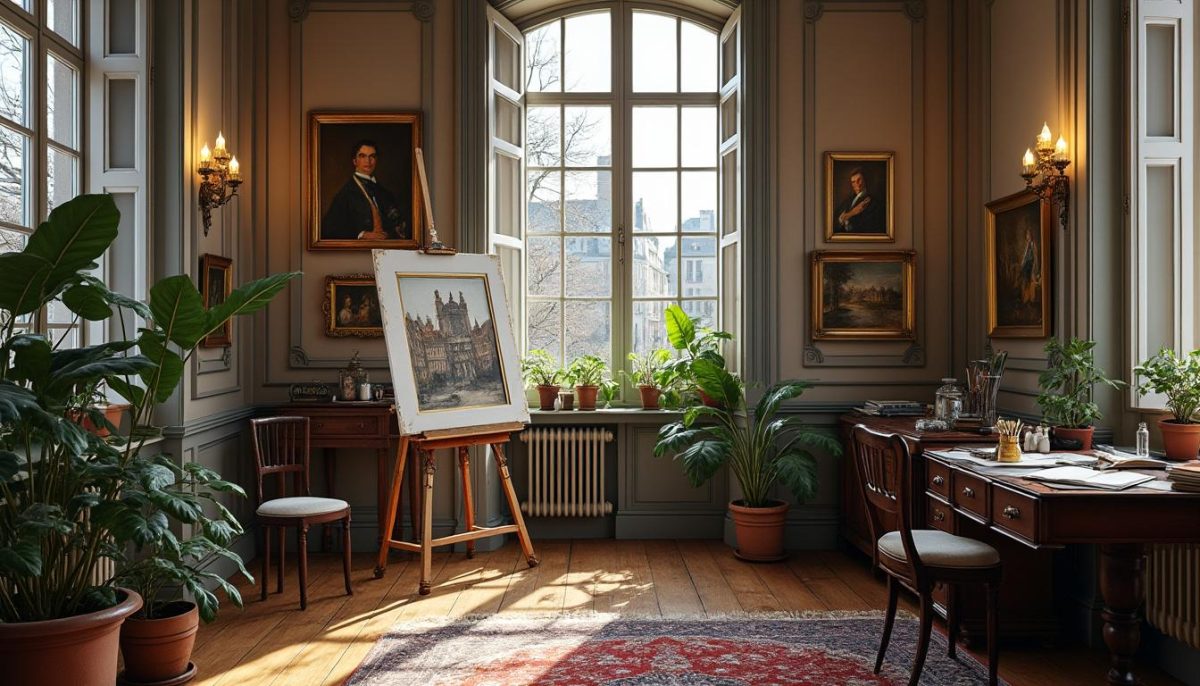
Living in his Parisian apartment from 1857 until his death in 1863, Eugène Delacroix found inspiration in his immediate surroundings. The artistry that brews within the walls of this small yet captivating space reflects his journey of emotional and intellectual exploration. In his journal, Delacroix noted the charm of his lodgings, describing how it brought him joy and solace amidst his struggles. This sentiment resonates with visitors as they walk through the same rooms, now preserved as a window into the artist’s life.
For Delacroix, the intimate confines of his apartment provided not just a workspace but a sanctuary from the chaos of the world outside. The light streaming in through the windows and the view of his little garden, which remains largely untouched, offered a serene backdrop to his creative process. Understanding this personal connection adds a layer of depth to the museum experience, as visitors can almost feel the artist’s presence lingering in the air.
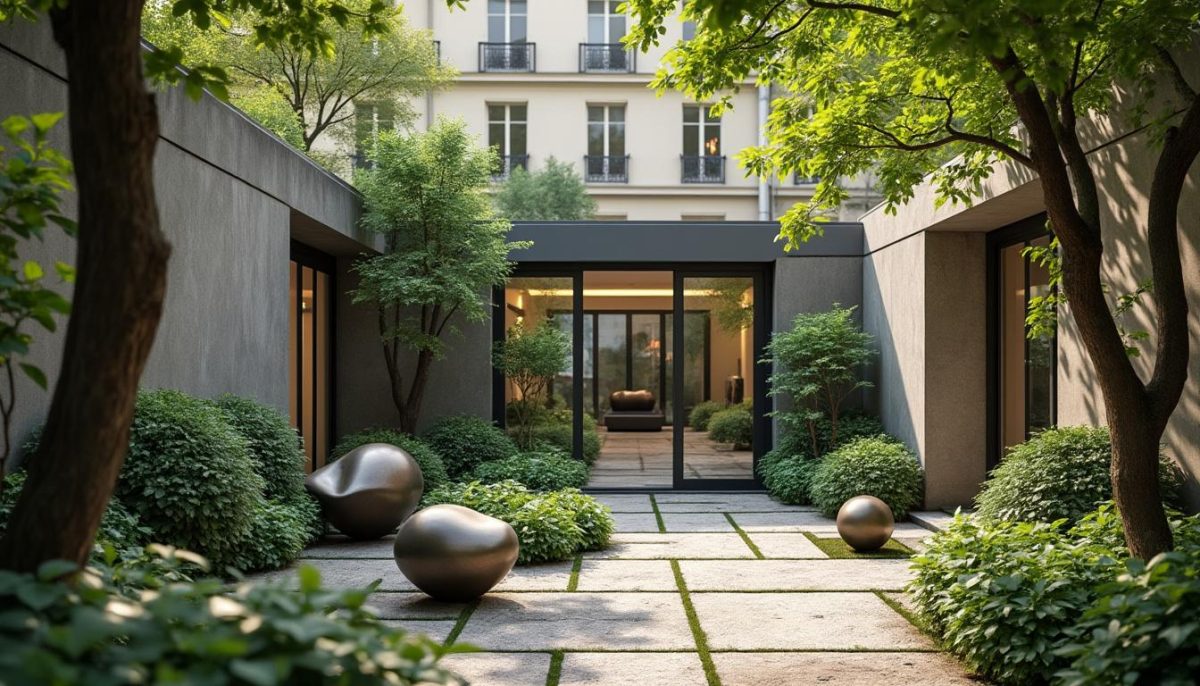
The garden surrounding the apartment is particularly enchanting, a secret haven that offers tranquility. Encased within the stone walls, it reflects Delacroix’s passion for nature, which often inspired his compositions. Sampling the quietude of this garden is an experience that many visitors cherish, adding to the atmosphere of introspection found within the museum.
The Significance of Delacroix’s Artistic Philosophy
Delacroix’s artistic philosophy was rooted in emotional expression rather than mere representation. His brush strokes are filled with fluidity, breaking away from the rigid structure imposed by academic art at the time. This innovative approach liberated future artists, paving the way for movements like Impressionism and Post-Impressionism. Through dynamic use of color and light, Delacroix captured the essence of human emotion, evoking a visceral response from viewers.
His journey as an artist was not without its challenges, as he often faced criticism from contemporaries who adhered strictly to classical standards. Yet, his definitive vision set a precedent, encouraging artistic freedom that continues to inspire today’s creatives. Exploring the Delacroix Museum reveals not only the artist’s own struggles but also the societal shifts that allowed for such a break from convention.
Exhibitions and Educational Opportunities
The Delacroix Museum is not just a repository of art; it actively engages with the community and art lovers through various exhibitions and educational programs. These initiatives aim to foster a deeper appreciation for Delacroix’s work and its relevance within the broader context of art history. Collaborations with the Louvre Museum and academic institutions enhance the museum’s offerings, making it a vital hub for aspiring artists and historians alike.
Regular exhibitions showcase both permanent and temporary collections that explore themes related to Delacroix’s life and work. Special programs are also in place to connect with local schools, allowing younger generations to discover and engage with art history actively. This commitment to education strengthens the museum’s role as a cultural institution, making it accessible to all.
Additionally, the museum leverages technology by creating a digital footprint through its website, which offers resources and access to its collections. By doing so, the museum not only preserves Delacroix’s works but also reaches a broader audience, ensuring that the artist’s message continues to resonate into the future.
| Year | Event | Description |
|---|---|---|
| 1863 | Death of Delacroix | The artist passes away, leaving behind a legacy that will influence generations. |
| 1929 | Société des Amis Established | Formation of a group dedicated to preserving Delacroix’s apartment and legacy. |
| 1954 | Building Donated | The apartment is formally donated to France to become a museum. |
| 1971 | National Museum Declaration | The Delacroix Museum is officially declared a national museum. |