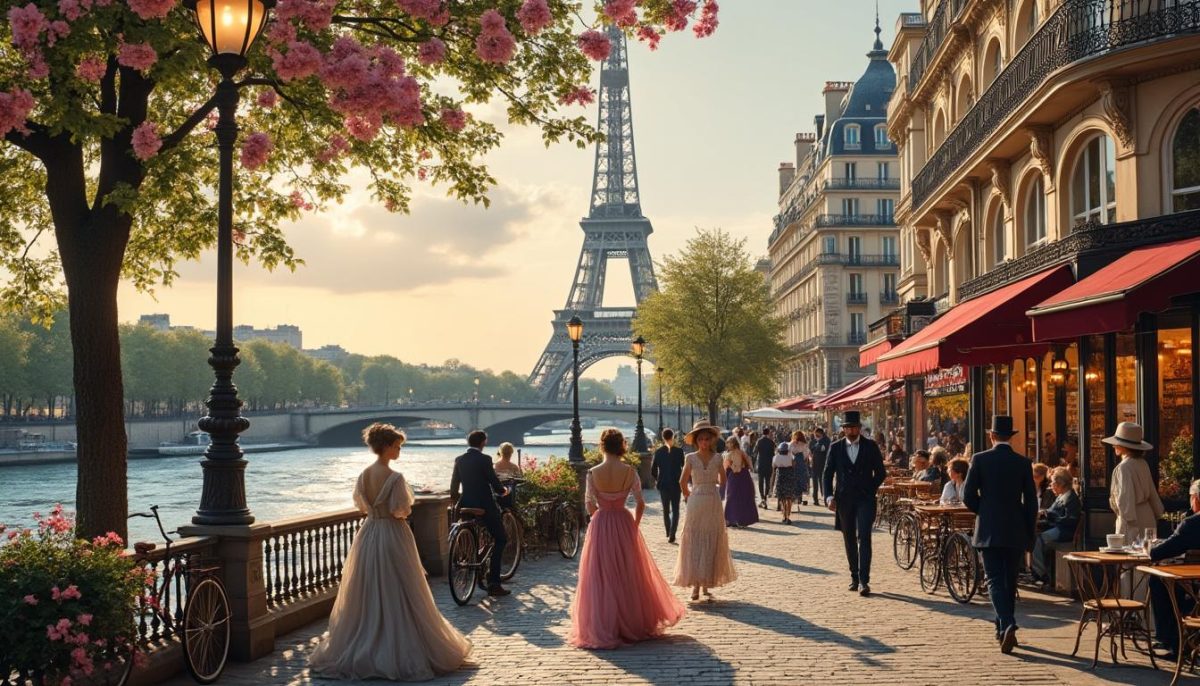
The Eiffel Tower stands as an iconic symbol of Paris, transcending generations and capturing the imagination of millions. Constructed during a period marked by significant cultural and political turmoil, its inception in the late 19th century is intertwined with the Franco-Prussian War and subsequent efforts to restore national pride through monumental architecture. As a feat of engineering and artistic vision, the Eiffel Tower represents not just the innovation of its time but also the evolving spirit of French culture.
Originally conceived as a temporary structure for the 1889 Exposition Universelle, its initial reception was mixed, with some viewing it as an eyesore. However, it has since transformed into a beloved landmark, drawing tourists from around the globe. In exploring the journey of the Eiffel Tower, one uncovers a tapestry woven with ambition, controversy, and artistry. This exploration delves into the historical context, architectural ingenuity, and cultural implications of the Eiffel Tower as it has grown into one of the most enduring symbols of Parisian identity.
The Historical Context Behind the Eiffel Tower
The story of the Eiffel Tower begins amidst the backdrop of the Franco-Prussian War (1870-1871), a conflict that ushered in a period of profound uncertainty for France. Following a humiliating defeat, Paris found itself under siege, and the subsequent turmoil led to the establishment of the Paris Commune, a radical socialist government that rose briefly before being crushed in May 1871. This chaotic political landscape set the stage for the French desire to reclaim their national pride.
To elevate the spirits of the nation and showcase France’s engineering prowess, a decision was made to hold the 1889 Exposition Universelle, celebrating the centenary of the French Revolution. The exposition was intended not just to display France’s achievements but also to reaffirm its position on the world stage. This monumental event necessitated a grand structure that would symbolize the aspirations of the nation.
French engineer Gustave Eiffel emerged as the visionary behind this ambitious project. With the backing of a team that included architect Stephen Sauvestre and engineers Maurice Koechlin and Émile Nouguier, Eiffel proposed a design that would challenge contemporary architectural norms. The design was initially met with skepticism, as critics labeled it a blot on the Parisian skyline. However, its unique lattice structure and height would soon become a point of pride.
This historical context is crucial in understanding why the Eiffel Tower was built not just as an exhibition piece but as a symbol of resistance and resilience. As Paris emerged from the shadows of conflict, the tower itself became a monument to the city’s rebirth, reflecting a profound transformation in the national psyche.
The Architectural Marvel of the Eiffel Tower
Constructed between 1887 and 1889, the Eiffel Tower is a testament to the possibilities of engineering and architectural innovation. Standing at 300 meters, it was the tallest man-made structure in the world until the completion of the Chrysler Building in New York City in 1930. The tower’s design, characterized by its iron frame and intricate lattice work, showcases a bold departure from traditional architecture of the time.
The construction of the tower was no small feat. Over 250 workers labored for two years and two months, assembling over 18,000 individual metal parts secured by 2.5 million rivets. This meticulous attention to detail and commitment to precision exemplifies the spirit of the Industrial Revolution where new materials and techniques were being pioneered.
One of the most innovative aspects of the Eiffel Tower’s design is its ability to withstand the elements. Gustave Eiffel meticulously calculated how wind pressure would affect the structure, leading to a design that allows it to sway gently in the breeze — a feat that was considered revolutionary at the time. The use of wrought iron not only provided the necessary strength but also allowed for the creation of an aesthetically pleasing structure.
The tower consists of three levels, each offering a different perspective of the city, with restaurants and observation decks that cater to the diverse demands of visitors. The first and second levels include restaurants and shops, while the summit provides breathtaking views over Paris. This thoughtful organization exemplifies how the tower marries form with function, enhancing the visitor experience.
The Cultural Impact of the Eiffel Tower
Beyond its role as an engineering marvel, the Eiffel Tower holds profound cultural significance. It has served as a muse for countless artists, writers, and filmmakers over the years. From its opening day, it has been featured in various artistic expressions that encapsulate the essence of Parisian culture. For example, renowned artists like Henri Matisse and Pablo Picasso have immortalized the structure in their paintings, capturing its silhouette against the vibrant Parisian sky.
Furthermore, the Eiffel Tower has become an indispensable part of the city’s identity. It stands as a beacon of romance and allure, often featured in films that depict love and adventure in Paris, such as “An American in Paris” and “Midnight in Paris.” As one of the most photographed landmarks in the world, it helps shape the perceptions that visitors have of the city.
On a societal level, the Eiffel Tower serves as a gathering point for diverse populations. Each year, millions flock to the tower, reflecting the universal allure of Paris. Special events, such as light shows, concerts, and cultural festivals, commonly take place at this iconic site, reinvigorating the social fabric of the city.
In recent years, the tower has also taken on a prominent role in discussions around environmental sustainability and urban development. With its status as a tourist magnet, efforts have been made to lessen the ecological footprint associated with such high foot traffic, including the implementation of green technologies. This adaptation highlights the Eiffel Tower’s ongoing relevance in contemporary discourse.
The Evolution of Tourism and the Eiffel Tower
As Paris became a premier tourist destination, the Eiffel Tower emerged at the forefront of the tourism industry. Initially designed as a temporary structure, it has grown into a staple of the tourist experience. Today, visitors can ascend the tower via elevators or stairs, relishing in its unparalleled views and unique history. In 2026 alone, it is projected that over 6 million people will visit, leaving many to wonder how such large crowds are managed effectively.
In response to the ever-growing number of tourists, the Eiffel Tower has undergone various transformations to enhance the visitor experience. One major development includes the integration of technology into the visitor experience, such as guided tours that provide extensive information about the tower’s history and significance. Visitors can book tickets in advance to avoid long queues, significantly improving the efficiency of their experience. The official website offers various options for tickets and tours, including exclusive experiences that allow visitors to dine in the tower.
Moreover, educational initiatives and workshops have been incorporated to engage younger audiences, introducing them to the engineering principles behind the tower’s construction. This focus on education not only enriches the tourist experience but also fosters a deeper appreciation for Paris’s cultural heritage. Visitors leave with a sense of connection to the city and a greater understanding of its architectural masterpieces.
With such advances in tourism practices, the Eiffel Tower remains not just a monument to the past but a dynamic part of the ongoing evolution of Paris as a global city. As Paris continues to adapt and thrive, so too does the significance of the Eiffel Tower in the story of urban development and cultural identity.
The Future of the Eiffel Tower: Challenges and Innovations
As we look toward the future, the Eiffel Tower faces several challenges, including the need to balance preservation with modernization. While its historical significance is paramount, it is also essential to adapt to contemporary societal needs. Ongoing discussions about enhancing visitor facilities without detracting from the tower’s iconic status are crucial.
In line with global trends, sustainability remains a key factor in its future. Initiatives to reduce the carbon footprint from energy consumption are already underway, with projects aimed at incorporating solar panels and green energy solutions. This modernization effort not only aligns with global standards of sustainability but will also attract environmentally conscious tourists.
Furthermore, enhancing technological experiences for visitors will be a priority. The incorporation of augmented reality (AR) features could revolutionize how people experience the Eiffel Tower. AR technology might enable visitors to visualize the construction process or experience historical events in real-time. These innovations could create an immersive experience that connects visitors emotionally to the structure.
As the Eiffel Tower steps into a new era, its ability to adapt while maintaining its charm will be crucial for its continued relevance. It must bridge the past with the future, keeping the cultural narrative alive while innovating for a rapidly changing world.
| Year | Event | Impact on the Eiffel Tower |
|---|---|---|
| 1887 | Construction Begins | Marked the dawn of a new era in architectural design. |
| 1889 | Inauguration | Officially opened to the public during the Exposition Universelle. |
| 1900 | Second Exposition Universelle | Further solidified the Eiffel Tower’s status as a cultural symbol. |
| 1985 | First Major Renovation | Updated facilities to accommodate growing tourist numbers. |
| 2019 | COVID-19 Impact | Temporary closure, leading to innovative digital experiences. |
| 2025 | Sustainability Initiatives | Implementation of environmentally friendly practices. |