Planning a meeting in Paris is an exhilarating experience, especially when the coveted venue is none other than the Eiffel Tower, often referred to as the Iron Lady. As one of the world’s most recognizable landmarks, this iconic structure offers not just breathtaking views of the City of Light but also a rich historical backdrop that adds a unique charm to any event. Hosting a gathering here enables attendees to immerse themselves in the blend of culture, architecture, and an ambiance that simply can’t be matched anywhere else. In this article, we will unpack the intricate details necessary for organizing an unforgettable meeting at this majestic site, taking into account visitor statistics, venue options, and expert tips to navigate this tourist magnet efficiently.
Understanding the Allure of the Eiffel Tower for Meeting Planning
The Eiffel Tower isn’t merely a tourist attraction; it functions as a premier event venue that can accommodate an array of gatherings, from corporate meetings to intimate celebrations. Each year, nearly 10 million visitors flock to this architectural marvel, making it the most visited paid monument in the world. Its towering presence at 324 meters and its distinctive iron lattice structure captivates both locals and travelers alike.
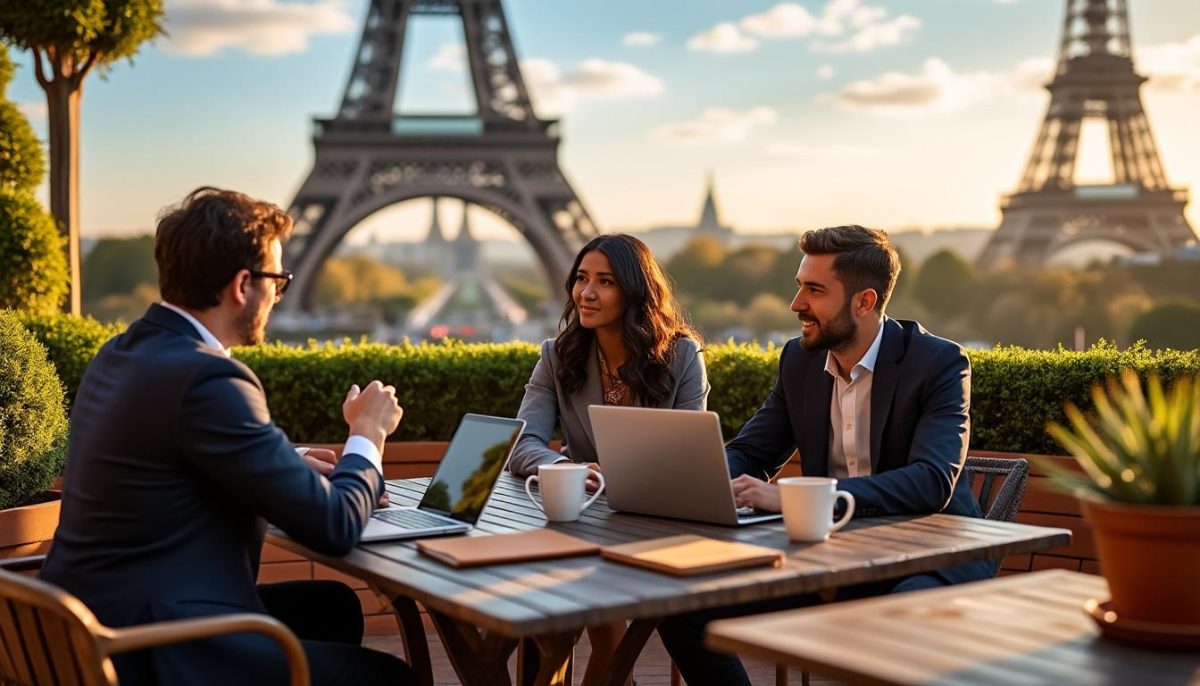
When considering meeting planning at the Eiffel Tower, the first thing you must recognize is its unique atmosphere. Imagine discussing business strategy while gazing over the sprawling Parisian landscape, the Seine River shimmering below, and the distant echoes of street musicians performing just beyond the tower’s gates. Such an experience not only elevates the meeting but also fosters an environment of creativity and innovation.
Meetings set within such inspiring surroundings create opportunities for networking beyond the mundane. Guests can connect over shared experiences that only the Eiffel Tower can provide, paving the way for spontaneous collaborations and inspiring dialogues. Whether you’re considering a small board meeting or a large event, the impact of holding it at the Eiffel Tower is unmistakable.
Moreover, the multiple floors available for events provide flexibility. From the expansive first level, which features terraces and stunning views, to the luxurious Michelin-starred restaurant, Le Jules Verne, on the second level, there are options to suit varying needs. The venues here are equipped to handle everything from lavish dinners to serious strategy sessions. This multifaceted nature of the site ensures that your gathering will be nothing short of remarkable.
Navigating Visitor Statistics and Expectations
Understanding visitor statistics is crucial when planning a meeting at the Eiffel Tower. With a staggering 10 million visitors each year, the location is perpetually crowded. Lines can be long and waiting times exhaustive, which presents challenges for not just attendees but also for tight scheduling during events. Therefore, strategic planning is essential to ensure that the experience remains enjoyable and efficient.
To bypass long waits, consider booking a skip-the-line guided tour. This option allows you to smoothly transition from the ground to the top of the tower without the hassle of extensive queuing. You’ll gain the added benefit of having a knowledgeable guide who can enrich experiences with anecdotes about the tower’s history. This can be particularly useful when addressing guests during informal discussions or before main presentations.
Moreover, it’s worth noting that food and beverage services vary across levels. On the first level, guests can enjoy light fare from Madame Brasserie, while the second level boasts exquisite dining at Le Jules Verne. As part of your meeting planning, such details are crucial. Pre-arranging catering or meal options helps streamline logistics and assures the culinary experience will align with the esteemed atmosphere of the Eiffel Tower.
In addressing time slots for your gathering, remember that prime visiting hours can result in longer wait times. Opt for early morning or evening events to mitigate these issues, allowing guests to savor the experience rather than rushing through it. Organizing a dinner meeting combined with a nighttime view of the city enhances both the thrill and the vision guests will take away from the event.
The Architectural Marvel: Insights into Its Design and History
Constructed for the 1889 World’s Fair, the Eiffel Tower was designed by Gustave Eiffel. Originally met with skepticism, it has triumphed as a symbol of Paris and a testament to engineering prowess. Its revolutionary use of iron and innovative design helped re-imagine construction during the late 19th century. The expressive form of the structure serves as a constant reminder that creativity and functionality can coexist.
As part of the visitor experience, it’s essential to share elements of the tower’s architectural significance with attendees. For instance, the design incorporates elements of both aesthetics and physics; the structure sways gently with the wind, and despite its height, it remains secure and stable. Such insights not only engage attendees but also provide conversation starters during networking moments of the event.
The Eiffel Tower is painted in three different shades to prevent rust and is repainted every seven years, contributing to its enduring allure. Engaging your audience with these fascinating facts can enhance their appreciation of the venue. As an example, by mentioning how the tower can grow in height due to heat expansion, you’re likely to spark interest and curiosity.
Every event should leave attendees with memorable experiences, and sharing intriguing stories can further enhance that. It connects guests to the cultural fabric of the location, making them more likely to remember their time spent within this iconic site.
Creating a Memorable Experience at the Eiffel Tower
An unforgettable meeting isn’t solely about the venue; it’s about the unique experiences you curate for attendees. Imagine group discussions elevated by a backdrop of the Paris skyline, all while sipping champagne from a bar located on the summit of the Eiffel Tower. Planning such activities transforms a regular meeting into a landmark event.
It’s worthwhile to consider integrating social activities that celebrate the essence of Paris. A classic Seine dinner cruise is one such suggestion. This two-and-a-half-hour voyage serves traditional French cuisine, enhancing the event programming while allowing guests to soak in the Parisian nightscape. Combining time at the Eiffel Tower with a river cruise can significantly enrich the entire experience.
The timing of these experiences can greatly influence how memorable they become. Pairing your meeting with a sunset dinner can create breathtaking moments as the sun lowers over the Seine, reflecting off the waters and creating an ambiance that lingers long after the event ends. Utilize this scenic backdrop not only for discussions but also for photography, capturing the memories that attendees can keep long after their visit.
Moreover, sharing stories of the tower’s rich history with guests during these moments fosters a deeper connection to the space. As they ascend to different levels, encourage discussions around the tower’s significance in Parisian culture, emphasizing its role beyond mere structural marvel.
Logistics and Practical Considerations for Event Planning
Effective conference planning at the Eiffel Tower requires a clear understanding of logistical elements. Location is paramount—consider the sights that are best viewed at different times of the day and how you can capture attention during key discussions. The three different levels provide diverse settings suitable for varied formats, from workshops to presentations.
Booking in advance is crucial. Events at the Eiffel Tower experience high demand, particularly during peak tourist seasons. Early reservation gives you a better chance to secure not just the best timings but also the desired venue level. Furthermore, be prepared to ensure that your itinerary accommodates entries for all guests efficiently. This foresight minimizes stress on the day of the event.
Additionally, transportation considerations are important. Ensure attendees are informed about the best methods for reaching the site, considering the probable traffic and transportation schedules. Providing information about nearby metro stations, buses, and parking has the potential to enhance the overall guest experience.
Ensure also to address the basic amenities. Discussing restroom locations, food options, and emergency plans is as crucial for attendees’ peace of mind as exceptional meeting content. Such details display professionalism and augment the overall impression of your event.
Lastly, don’t hesitate to reach out to professionals experienced in organizing events within the tower. Their insights will streamline the process significantly and help navigate any last-minute concerns, ensuring that your event runs flawlessly.
| Aspect | Details |
|---|---|
| Venue Levels | First level (200 ft), Second level (400 ft), Third level (900 ft) |
| Restaurant Options | Madame Brasserie, Le Jules Verne, and Champagne Bar |
| Visitor Capacity | Catering varies by level, reservation recommended |
| Access Features | Skip-the-line tours available |