Finding a restroom while exploring Paris often becomes an unexpected adventure. The city, renowned for its rich history and breathtaking architecture, also has made strides in public facilities, particularly in providing accessible restrooms. With over 435 free public toilets scattered across the metropolis, the challenge is now to locate them rather than worrying about costs or cleanliness. This guide will navigate you through the intricacies of using these urban amenities effectively, ensuring you can enjoy your day in the City of Light without any uncomfortable surprises. Understanding where to find these facilities, how to use them, and the evolution of public hygiene in Paris will enhance your travel experience while keeping your exploration smooth and enjoyable.
Understanding the Landscape of Public Toilets in Paris
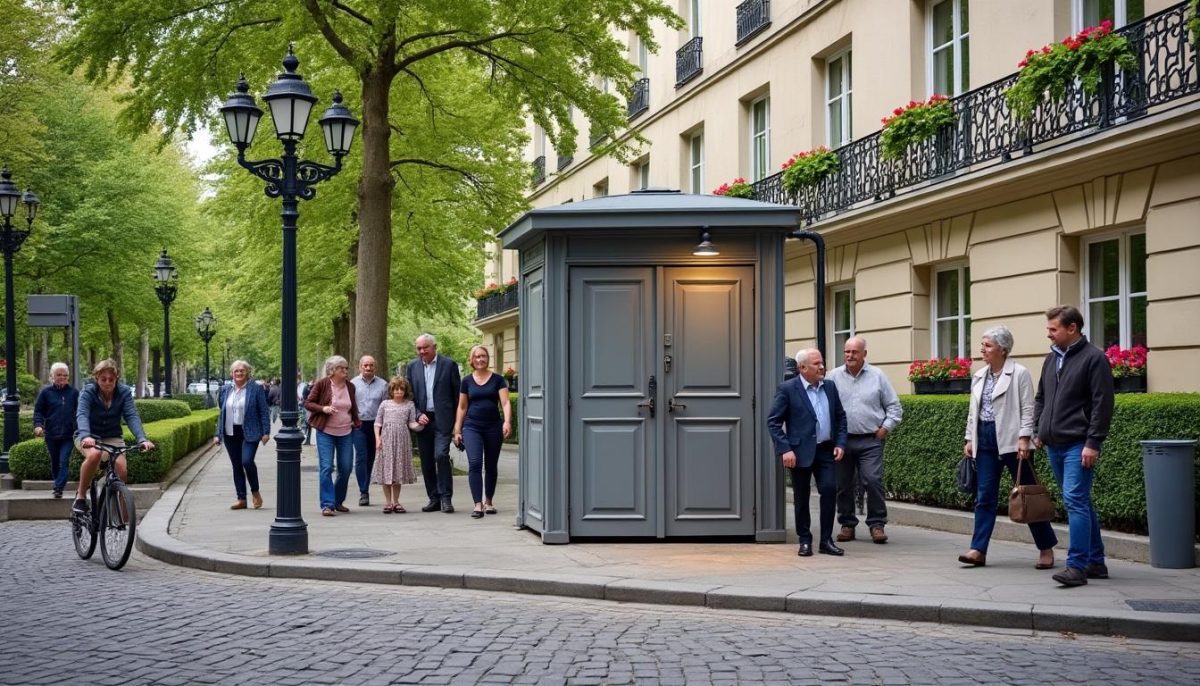
Public restrooms in Paris serve as essential urban amenities that complement the city’s role as a significant tourist destination. Gone are the days when visitors would frantically search for a café or restaurant, fearing the discomfort of not having a clean restroom available. Today, the streets of Paris host a plethora of self-cleaning toilets known as sanisettes. Installed strategically around the city, these modern conveniences are designed to be both functional and user-friendly.
The sanisettes stand out not only for their sleek design but also for their eco-friendly features. Each unit utilizes water-efficient technologies, drastically reducing water usage while ensuring cleanliness. The introduction of these facilities highlights Paris’s commitment to public hygiene and convenience for both locals and tourists alike. But how did the city transform its public toilets from questionable pissoirs of the past to the programmed cleanliness of today’s sanisettes?
Historically, the evolution of public toilets in Paris reveals much about societal attitudes towards sanitation. The open-air pissoirs of the 19th century were an initial attempt to address public urination but fell short in inclusivity and hygiene standards. As the need for cleaner public facilities grew, so did the design and function of restrooms in the city. By the end of the 20th century, sanisettes emerged, transforming the concept of public toilets into the modern, self-cleaning establishments we see today. This shift not only improved access but also aligned with contemporary expectations of public hygiene.
Where to Find These Public Toilets
Every traveler in Paris is bound to appreciate the accessibility of free public toilets. As you stroll through iconic neighborhoods and visit tourist attractions, you will likely encounter one of the 435 sanisettes located strategically throughout the city. But where are the best places to look for these facilities? Let’s break it down.
Major tourist attractions, such as the Eiffel Tower or the Louvre Museum, are always likely to be nearby a sanisette. Not only does this convenience cater to the needs of locals, but it directly benefits visitors who may spend long hours exploring the city’s wonders. Additionally, Metro stations including those at Gare du Nord and Châtelet ensure easy access for those on the go. However, the restrooms are not limited to tourist spots alone; they can be found in popular parks such as the Luxembourg Gardens and Parc Monceau, providing a necessary respite during your outdoor escapades.
For real-time assistance, leveraging mobile technology can be a game-changer. Utilizing applications like Google Maps or specific restroom-finding apps such as ToiletsParis will allow you to quickly locate the nearest sanisette. Simply type “public toilets” into your search bar, and you’ll receive directions to the closest facility. Knowing this can save you from moments of urgency!
The Innovative Features of Parisian Sanisettes
The evolution of public toilets in Paris hasn’t merely been cosmetic; it has also embraced technological advancements that greatly enhance user experience. Today’s sanisettes are a far cry from the traditional facilities of yesteryear. One of their standout features is the thorough and rapid self-cleaning process. After each use, the interior is sanitized within a mere 30 seconds. This efficiency directly translates to a higher level of cleanliness and comfort for users.
Another remarkable aspect of these facilities is their focus on accessibility. Designed with inclusivity in mind, every sanisette provides spacious accommodations for individuals with disabilities, ensuring that everyone can access public hygiene without barriers. Some locations even include additional features like baby-changing stations, demonstrating a commitment to cater to families.
The technological setup extends beyond design and accessibility. Equipped with hands-free mechanisms, users can operate the doors and hygiene systems without physical contact, thereby minimizing germ exposure. In a world increasingly concerned with sanitation, these features are not just conveniences; they are necessities that reflect a growing recognition of public health in urban environments.
How to Use a Sanisette: A Quick Guide
Even with the innovations and modern comforts of Paris’s sanisettes, first-time users may find themselves hesitant or confused about the operational aspects. Here, we break down how to maximize your experience when nature calls. Your first step will be to locate a sanisette, either through a map or an app. Upon arrival, simply press the button to open the door, and step inside—as the entrance closes behind you, enjoy the privacy and functionality.
One notable feature is the time limit—users typically have about 15 minutes to complete their business before the system assumes occupancy. Once you exit, the sanitizing process begins automatically, ensuring that the space is ready for the next user without delay. If you’re waiting, patience is key, particularly during busy hours when demand may exceed availability. This system of operation not only promotes hygiene but also emphasizes the overall efficiency of modern urban amenities.
The Future of Public Facilities in Paris
As we look toward the future, the public restroom situation in Paris holds potential for continual improvement. With ongoing advancements in technology and a growing emphasis on sustainability, it is conceivable that these facilities will evolve even further. This might involve the integration of solar-powered systems or plans to construct more eco-friendly units, aligned with broader environmental goals.
Moreover, as the city gears up for significant events such as the upcoming 2024 Olympics, the pressure will be on to enhance these urban amenities. The focus will likely further shift towards not only maintaining cleanliness but also incorporating architectural designs that resonate with Paris’s iconic aesthetic. Future sanisettes could further blend into the vibrant urban landscape, ensuring they aren’t just functional but also artistically appealing.
Paris has already made strides in this direction, ensuring that its public facilities reflect the beauty and culture that define the capital. In this context, the city’s public toilets may not only meet the needs of constituents and tourists alike but could also become emblematic of a modern, forward-thinking Paris.
| Location | Features | Accessibility |
|---|---|---|
| Near Eiffel Tower | Self-cleaning, high-tech | Wheelchair accessible |
| Luxembourg Gardens | Baby-changing stations | Spacious cabins |
| Gare du Nord | Lowest traffic during afternoons | Hands-free operation |
In conclusion, public hygiene considerations are no longer an afterthought when exploring the streets of Paris. Armed with knowledge from this guide, you’ll feel more confident navigating the city’s well-equipped public facilities, allowing you to focus on enjoying its sights, sounds, and experiences without unnecessary interruptions.