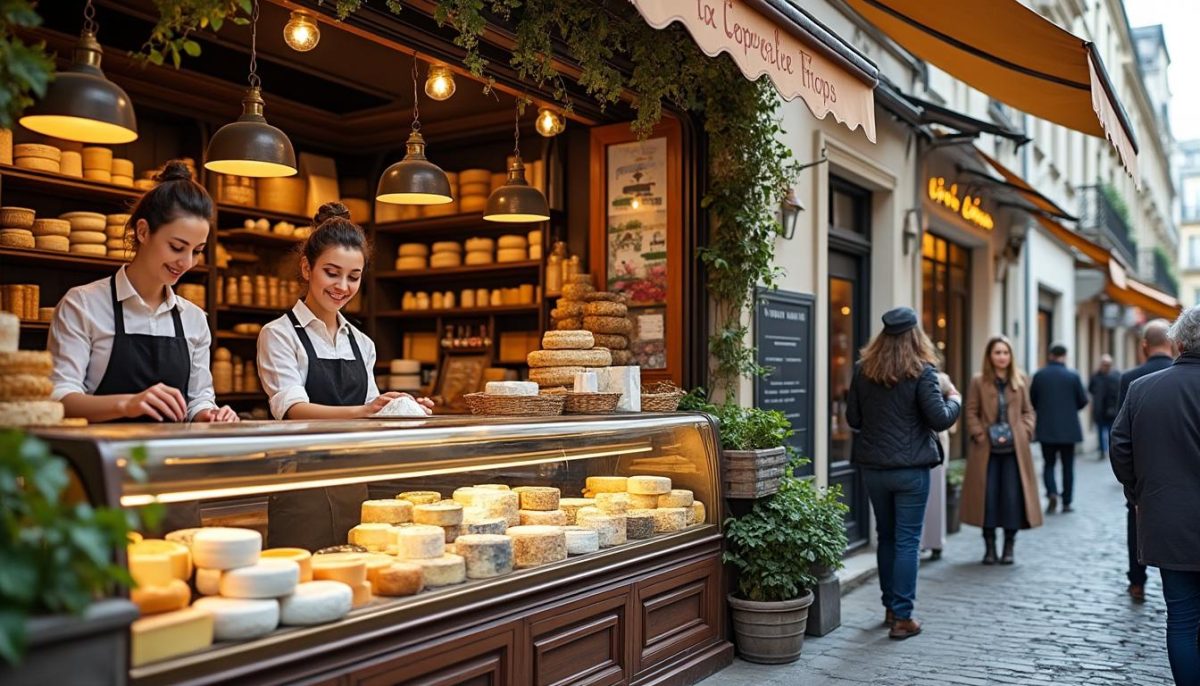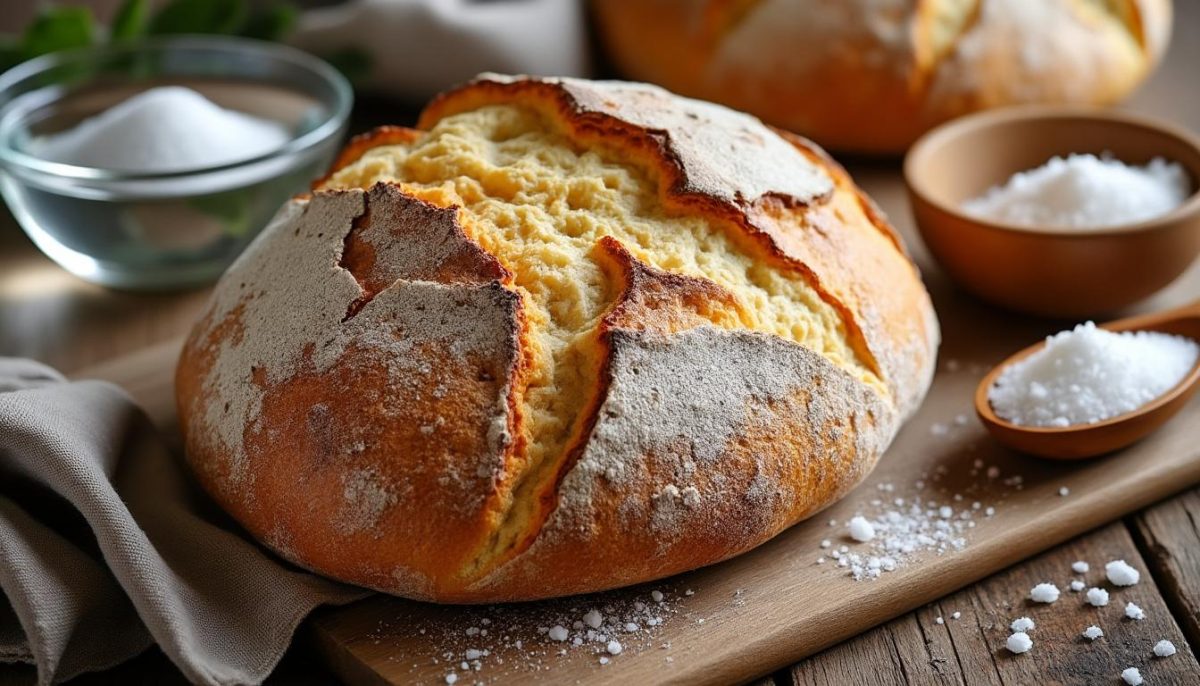
In the bustling heart of Paris, amid the charming bistros and the aroma of freshly baked goods wafting through the streets, one can’t help but admire the beauty of French bread. A staple of French cuisine, the allure of this simple yet profound creation lies in its minimalism. With just four ingredients—water, salt, yeast, and flour—this bread serves as a canvas for rich flavors and textures. The art of baking traditional French bread encapsulates the spirit of the Parisian lifestyle, where simplicity meets sophistication, inviting bread lovers to indulge in artisanal delights. As our culinary journey unfolds, we’ll explore the nuances of making this cherished loaf, demystifying the process and uncovering the secrets behind its legendary crust and airy interior.
The Essence of French Bread: A Study in Simplicity
The essence of French bread can be distilled into its four basic ingredients. Each plays a crucial role in the overall process, contributing uniquely to the outcome. Starting with flour, the foundation of the bread, it provides the structure and the calories necessary for an energized life. Utilizing high-quality, unbleached flour is essential as it retains flavor and texture, characteristics that define superior bread.
Water is perhaps the most underrated ingredient in bread-making. Its temperature can significantly affect the yeast’s performance, with lukewarm water being ideal for activating the yeast. This crucial step, often taken for granted, ensures that the dough rises effectively, allowing gas to expand and create those delightful air pockets that make bread soft and chewy.
Next, we have yeast, the magical element that transforms this combination of flour and water into something extraordinary. It not only ferments the sugars present in the flour, producing carbon dioxide, but also contributes to the distinctive flavor profile of the bread. Different types of yeast may yield varying results, leading to experimentation and personal preferences among bakers.
Finally, salt serves multiple purposes: it enhances the flavor, regulates yeast activity, and strengthens gluten structure, which is crucial for achieving that iconic, chewy texture. The interplay between these ingredients is what grants French bread its unique qualities, creating a loaf rich in flavor and history.
Methods for Crafting Your Bread
When it comes to the techniques of making French bread, one does not need to be an expert chef. In fact, the beauty of bread-making lies in its accessibility. A no-knead method has become increasingly popular, particularly for those new to baking. This approach emphasizes minimal handling of the dough, focusing on allowing it to rise naturally.
The first step involves combining the yeast, water, and salt in a large bowl before gradually incorporating the flour. Stirring briefly, the mix should be moist yet pliable, allowing for a perfectly risen dough. Once combined, simply cover the bowl with plastic wrap and set it aside for several hours—a time where magic happens—as the yeast works its charm and the dough doubles in size.
Typically, this initial rise could take anywhere from two to four hours, depending on the temperature of the environment. This slow fermentation process not only allows for the development of flavor but also leads to a more complex texture.
Baking Techniques: The Importance of Steam
One of the most debated topics in the world of baking is whether to incorporate steam into the oven during baking. Many bakers advocate for this technique, citing its ability to produce a crispy, artisan-quality crust. However, recent findings suggest that excellent results can be achieved without the hassle of introducing steam. Even without this added step, the bread can achieve a crust that is just as crunchy, with a wonderful, soft interior.
To create the perfect loaf, preheat your oven to a high temperature—around 450°F (about 232°C)—and place a pizza stone within. If a pizza stone is unavailable, a heavy-duty baking tray will suffice. The aim is to create an environment for the bread to rise quickly, achieving that signature boule shape. As the temperature escalates, moisture within the dough turns to steam on baking, supporting the crust while it sets.
Once the dough is ready, transfer it carefully to the hot surface, using a peel or even a flat baking sheet. This creative transfer is heightened by making slashes in the dough; these cuts enhance the expansion of the bread while baking and give it that classic artisanal appearance.
The Versatility of French Bread Recipes
French bread may be synonymous with simplicity, but it is also a recipe known for its versatility. With variations that allow for unique flavor profiles, one can tailor this bread to suit various tastes and occasions. For those seeking a sweeter option, adding ingredients such as honey or various seeds can transform the flavor drastically.
Interestingly, leftover dough can be stored in the refrigerator for up to two weeks. This practice allows for spontaneity in baking; a batch of dough can be turned into a quick pizza, rolls, or even a gourmet flatbread, depending on what you have on hand. For ease of use, hardier leftover dough can also be shaped and baked directly from the fridge, making it perfect for unexpected gatherings.
Bold flavors can be incorporated, too. Infusing the dough with herbs like rosemary, thyme, or even chili flakes opens endless possibilities. Each alteration enhances not only the flavor but also the dining experience as bread becomes an accompaniment to various meals, from simple soups to elaborate spreads.
Enjoying the Fruits of Your Labor
When the time finally arrives to slice into your beautifully baked loaf, the anticipation is palpable. The aroma enveloping the kitchen and the golden-brown crust present an allure that few can resist. The joy of enjoying warm French bread, perhaps accompanied by a selection of cheeses or a dousing of olive oil, elevates the culinary experience to an art form.
Exploring Parisian culture also involves tasting this bread in its natural habitat. Traditional bakeries, known as boulangeries, dot the streets of Paris, each offering a unique twist on this age-old classic. The artistry on display is profound, making every visit a delve into the heart of French culinary tradition. To fully experience this, consider indulging in a local culinary tour where you can sample the best of Parisian bread and learn from local experts. Such experiences can be found through various private food tours that highlight essential stops for any food lover.
In sharing this craft, one not only connects with the history of French cuisine but also fosters a deeper appreciation for the art of baking. The tradition continues to thrive, reminding us that sometimes, the most extraordinary flavors emerge from the simplest of beginnings.
| Ingredient | Purpose |
|---|---|
| Flour | Provides structure and calories |
| Water | Activates yeast and forms dough |
| Yeast | Ferments sugar and creates fluffiness |
| Salt | Enhances flavor and controls yeast activity |
Whether you’re in the streets of Paris or your own kitchen, the ability to create French bread embodies a connection to history and culture. It’s a journey through time and flavor, with each loaf telling a story of simplicity and artisanal expertise. For those wishing to immerse themselves even more, delving into resources about local baking practices or joining a private food tour in Paris can enrich your understanding and appreciation of this delightful tradition.