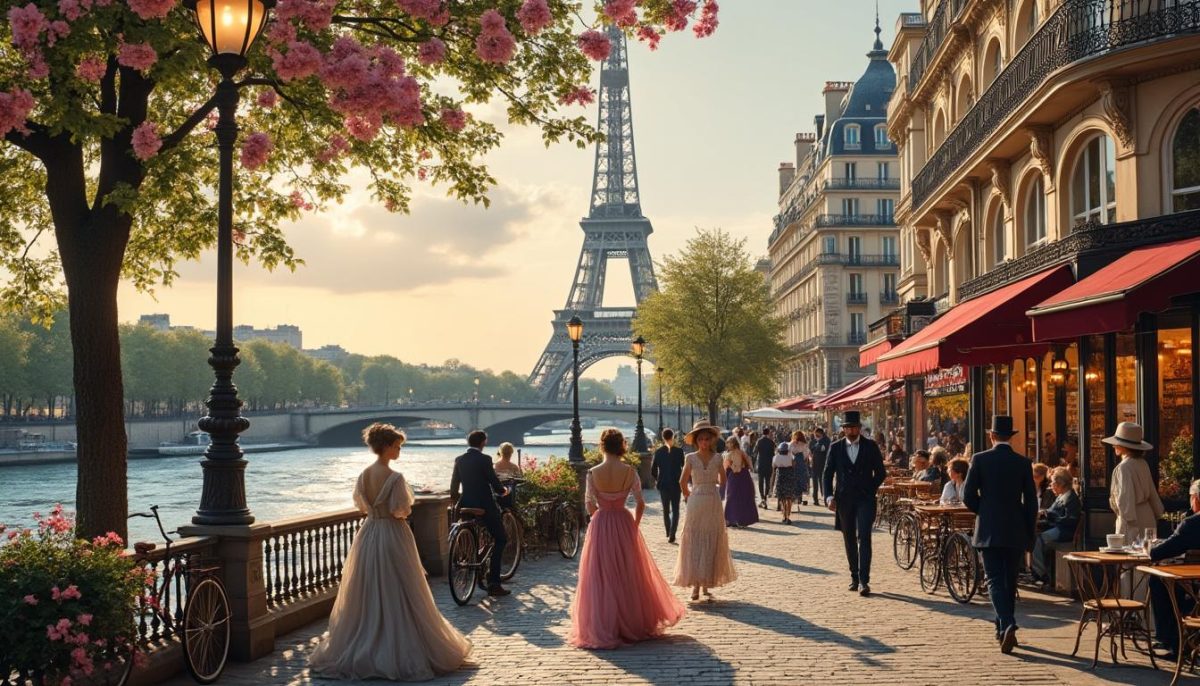
In the heart of Paris, where the Seine winds through the city, a vibrant artistic movement once flourished, changing the course of art history. Impressionism, with its emphasis on light, color, and spontaneous brushwork, emerged in the late 19th century, redefining the boundaries of traditional painting. This movement, characterized by artists who sought to capture fleeting moments and everyday scenes, invited viewers into a world alive with color and emotion. From the bustling streets of Montmartre to the serene gardens of Giverny, Paris served as both backdrop and muse for these brilliant artists. Today, the legacy of Impressionism continues to resonate in the city, drawing art lovers and casual visitors alike to explore the places that inspired these masterpieces.
As we embark on this journey through Parisian Impressionism, we will delve into the lives of the artists—such as Claude Monet, Pierre-Auguste Renoir, and Édouard Manet—and the landmarks that feature prominently in their works. Whether it is a lively dance hall or a quiet bridge, each location tells a story, inviting admiration for both the art and its context. From world-renowned museums to lesser-known galleries, the city holds treasures that allow us to experience the magic of Impressionism intimately. Join us as we explore these sites, learn about the masterpieces created within them, and reflect on the artists’ enduring influence on the world of art.
Claude Monet: The Master of Light and Water
Claude Monet, born in Paris in 1840, epitomizes the Impressionist movement. His ability to capture light’s fleeting qualities was revolutionary. A prime exemplar of his work is the series of paintings made at the Gare Saint-Lazare in 1877, which depict trains enveloped in steam and light. This particular location not only showcases his love for urban scenes but also marks his growing reputation as a significant artist. The vibrant colors and dynamic brushstrokes evoke the energy of modern life in Paris. One can find these stunning representations at the Musée d’Orsay and the Musée Marmottan Monet, where visitors can explore a wealth of Monet’s masterpieces.
Another notable site associated with Monet is the iconic Pont de l’Europe. In his painting of this bridge, he conveyed the interactions of nature and industry, a theme recurrent in his work. Monet’s fascination with this setting reflects a broader narrative about Paris’s transformation during the industrial revolution. Today, walking across the actual bridge, one can almost envisage the scene as captured on canvas—trains thundering beneath while vibrant reflections shimmer upon the water. This ability to transport viewers to another time encapsulates the genius of Impressionism.
The Louvre: A Window to the City
In 1867, Monet set up his easel at a window of the Louvre, painting Quai du Louvre as a counter to the typical depictions of classic art. His work serves as a powerful reminder of the artist’s perspective and his innovation. By showcasing contemporary scenes in a space that celebrated historical narratives, Monet and his fellow Impressionists questioned the very fabric of artistic validity. This act of painting what they saw—rather than what was expected—set a precedent for future generations of artists.
The Louvre today remains an essential stop to appreciate not only Impressionist works but also the collection’s historical significance. Strolling through its expansive halls, one can admire the convergence between past and present, contemplating how Impressionism broke free from the chains of tradition.
The Vibrance of Renoir: Capturing Parisian Life
Pierre-Auguste Renoir is another quintessential figure in the Impressionist movement, characterized by his exuberant depictions of social life. His famous painting, Bal du Moulin de la Galette, completed in 1876, vividly illustrates a Sunday afternoon at a dance hall in Montmartre. Here, Renoir captured the joy and vibrancy of Parisians in leisurely pursuits. The work reveals a camaraderie among the figures, reflecting the cultural vibrancy of Paris during the Belle Époque.
The Moulin de la Galette was a popular venue where the working class gathered to unwind, and its continued existence adds a tangible dimension to behold as visitors explore the area. The windmill, a remnant of the past, provides a unique glimpse into the life of Parisians at that time. This location, alongside Renoir’s brushwork, breathes life into the scenes and immerses viewers in the atmosphere of the 19th century.
Exploring Montmartre’s Artistic Legacy
Montmartre itself, steeped in artistic history, offers countless exploration opportunities. This neighborhood served as a hub for Impressionist artists, who frequently convened at the iconic Café Guerbois. It was there that they formulated their collective vision, embarking on numerous excursions into the countryside to paint directly from nature. The air was thick with creativity, leading to groundbreaking art that remains relevant today.
As you wander through Montmartre’s charming streets, the feeling of stepping back into time encapsulates the spirit of the Impressionists. Artists today continue to find inspiration and motivation within this UNESCO World Heritage site, reaffirming the cultural importance of this district as a birthplace of creative expression.
Édouard Manet: The Forefather of Modern Art
Édouard Manet, often regarded as a precursor to Impressionism, played an essential role in shaping the movement’s ideals. His renowned painting, La Musique aux Tuileries, painted in 1862, captures a lively scene in the Tuileries Gardens, showcasing the fusion of high art and daily life. His works often feature a blend of traditional themes with modern scenes, challenging conventions and influencing his contemporaries. This unorthodox approach set the stage for the Impressionists, inviting a new generation of artists to explore the everyday moments usually overlooked by the classical canon.
Visiting the Tuileries today provides insight into the park’s ambiance and values reflected in Manet’s art. The allure of this location continues to attract visitors who can appreciate the lush gardens and rich history surrounding the artworks created in their midst. Manet’s legacy, encapsulated in scenes of Parisian life, garners admiration and respect from those who encounter his work.
Un Bar aux Folies-Bergère: A Study of Reflection
One of Manet’s later masterpieces, Un Bar aux Folies-Bergère, painted in 1882, exemplifies his profound ability to weave reflections and contrasts into a gripping narrative. This artwork includes a reflection of the barmaid and the patrons around her, compelling viewers to engage with the complexities of perception. Many interpretations suggest that the barmaid’s tired expression highlights the divide between appearance and reality, a theme prevalent in Impressionist works.
The Folies-Bergère remains an operational entertainment venue, where one can experience firsthand the vibrant atmosphere that the work attempted to visualize. Attending a show offers a unique opportunity to step into the very world that inspired Manet’s layered commentary on social dynamics, celebrating both the art of performance and the art of painting.
Experiencing Impressionism Today: The Leading Museums
The thriving Impressionist legacy can be explored within various museums in Paris, each showcasing iconic works that continue to captivate audiences. The Musée d’Orsay, once a train station, now holds the most comprehensive collection of Impressionist art in the world, including renowned pieces by Monet, Renoir, and Van Gogh. The museum itself is a masterpiece, with its grand architecture serving as a backdrop to the artistic treasures within.
Another must-visit location is the Marmottan Monet Museum, renowned for housing a large collection of Monet’s works, including the iconic Impression: Sunrise. This museum offers visitors an intimate glimpse into the life and artistry of Monet, coupled with the less-explored works of his contemporaries, providing a rounded understanding of the movement.
Festivals and Current Exhibitions
Paris remains a vibrant setting for exhibitions celebrating Impressionism. Events that highlight the movement, such as contemporary interpretations of their works or themed exhibits, enliven the city’s cultural atmosphere. For example, exhibitions at the Musée de l’Orangerie house Monet’s monumental waterlily series, each room echoing the artist’s vision of tranquility and beauty. Engaging with these exhibitions today allows visitors to connect with the emotions captured by these artists throughout time.
Art lovers and newcomers alike will discover an ever-evolving appreciation of Impressionism in the galleries and exhibits of modern-day Paris. This city, so interwoven with the history of art, continues to inspire both respect for the past and excitement for the future.
| Artist | Major Work | Location |
|---|---|---|
| Claude Monet | Impression: Sunrise | Marmottan Monet Museum |
| Pierre-Auguste Renoir | Bal du Moulin de la Galette | Musée d’Orsay |
| Édouard Manet | Un Bar aux Folies-Bergère | Courtauld Gallery |
| Camille Pissarro | Pont Neuf | Musée d’Orsay |