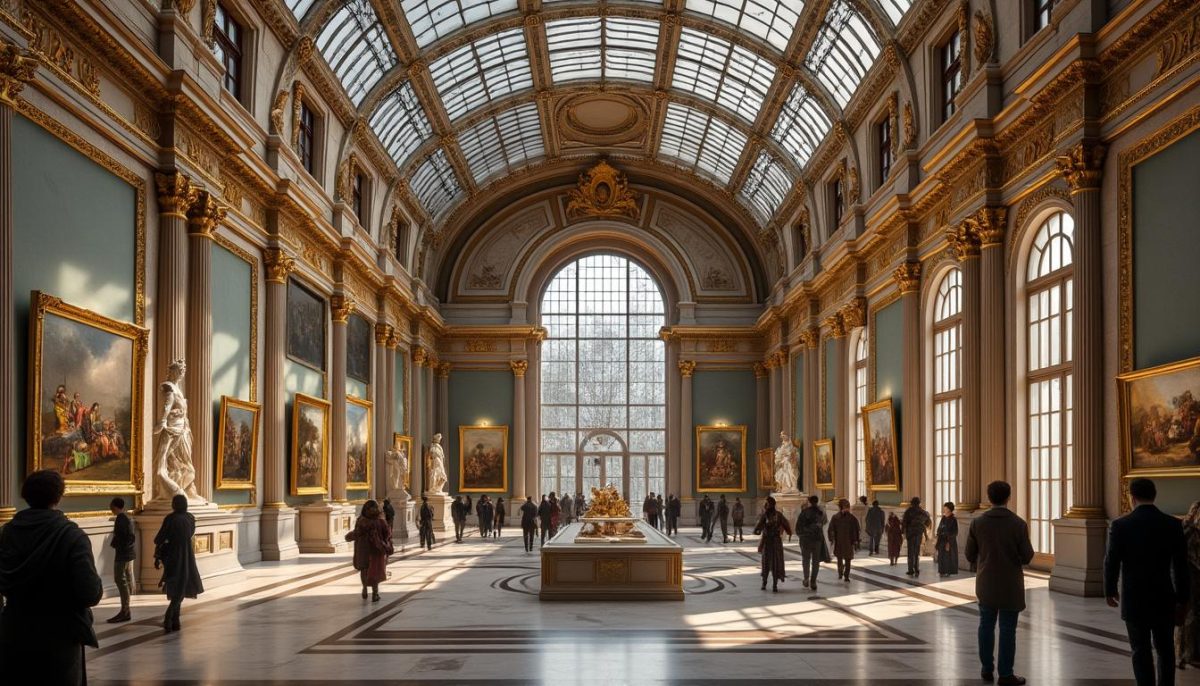
The great halls of the Louvre resonate with history, echoing the vibrant artistry that flourished during the Renaissance. A significant highlight of this season is the Louvre Exhibition focusing on François I‘s profound influence on art, especially in regard to Dutch Art. This exhibition not only celebrates François I’s well-documented affection for Italian art but also sheds light on the vibrant collaboration between French and Dutch artists. Visitors are invited to traverse the bridge between these two cultures, illustrating how François I’s patronage shaped the art movements of his time and ultimately enhanced the cultural heritage of France.
The exhibition features remarkable works that encompass the golden age of Dutch artistry, revealing the king’s lesser-known but equally significant fondness for Flemish and Dutch painters. This fusion of styles marks a critical period in art history, showcasing the interconnectedness of European art and its evolution. The historical exhibition encapsulates the spirit of an era where artists from different backgrounds converged, resulting in groundbreaking pieces that would influence generations to come.
The Influence of François I on European Art
François I, who ruled France from 1515 to 1547, was not only a monarch but also a visionary art patron. His reign marked a transformative period in French culture, characterized by a newfound appreciation for the arts fostered by his travels, education, and aspirations for France as a pivotal cultural hub. He was known for his propensity to collect art and surround himself with leading artists of his time, making significant investments in art that propelled both Italian and Dutch styles into the forefront.
One of the most profound effects of François I on art was his role in establishing the Italian school at Fontainebleau. However, this king’s admiration for Dutch Art is intricately interwoven into his reign, reflecting a duality of influence that helped nourish the burgeoning art scene in France. Prominent artists such as Jean Clouet and Corneille de Lyon found considerable support under his patronage. The exhibition at the Louvre aims to uncover this lesser-known aspect of his artistic legacy, emphasizing how Dutch masters contributed to the visual language of the Renaissance in France.
François I’s Artistic Relationships
The relationships François I forged with Dutch artists were essential in building a rich tapestry of artistic collaboration. He sent emissaries to the Low Countries, inviting artists to work in his court, effectively establishing a blend of cultural ideas. This invitation not only solidified a network of artistic exchange but also introduced French society to the enchanting styles of Northern Europe.
For instance, Jean Clouet, a highly respected miniaturist, worked closely with François I, producing detailed portraits that captured the nuances of facial expressions and royal grandeur. Interestingly, although his artistry helped elevate French portraiture, Clouet’s origins were not French, as he hailed from the Low Countries—a fact that adds another layer to the ongoing conversation about national identity in art.
Rediscovering Dutch Artists in France
The exhibition brings to light several artists who were once largely unknown yet played pivotal roles in shaping the art scene in France. François I was instrumental in promoting their works, often commissioning pieces that blended Flemish techniques with local styles. This synergy of artistic approaches highlights the fluid nature of cultural boundaries during the Renaissance.
Some of the artists featured include Godefroy le Batave, Grégoire Guérard, and Bartholomeus Pons. Each artist contributed distinctive elements that accentuated both the technical skills of Dutch painters and the flamboyance of French art. Their works underscore a dynamic interaction, revealing how cross-cultural engagements foster artistic innovation.
The Merits of Collaboration
Throughout the exhibition, viewers will encounter portraits and decorative arts that signify the direct influence of these artists on François I’s vision. The commissioned tapestries and paintings sourced from Antwerp—where many Flemish artists were based—exemplify the way François not only supported the arts but also demonstrated an appreciation for the elaborate craftsmanship that characterized Dutch artistry.
This cultural exchange drew in talents and techniques that greatly elevated French art. For example, the use of vivid colors, intricate textile patterns, and the celebration of naturalism seen in the works of Flemish artists reshaped French methods and aesthetics, establishing an interconnected web of influence that enhanced both cultures.
Understanding the Cultural Heritage at the Louvre
The Louvre Exhibition does more than merely showcase art; it offers a portal into a foundational period that laid the groundwork for modern European art. The interplay between François I’s preferences for Italian and Dutch styles reveals a complex landscape where cultural hybridization flourished. Ultimately, this exhibition stands as an essential resource for understanding how historical patronage can shape artistic legacies.
The depth of cultural heritage represented in this exhibition highlights how art can transcend borders. As visitors navigate through the various artworks, they witness firsthand the dialogues that existed among artists who drew inspiration across national lines. The triumph of such a historical perspective encourages a reevaluation of the narratives that dominate art history.
Engagement with Art History
Engaging with the narratives surrounding these artists at the Louvre enables a deeper appreciation for their contributions. By facilitating dialogues between different schools of thought, François I played a critical role in fostering an environment conducive to artistic experimentation. The blended heritage of Dutch and French art thus becomes a testament to the era’s richness and diversity.
Furthermore, as we explore the influences and inspirations visible in the pieces on display, we can appreciate the masterful artistry that emerged from this cultural synergy. Each brushstroke and design choice becomes a reflection not just of individual artists but of an entire period—underscoring the lasting impact of collaborative creativity.
| Artist | Nationality | Notable Works |
|---|---|---|
| Jean Clouet | Flemish | Portrait of François I |
| Corneille de Lyon | Flemish | Portraits of Nobility |
| Godefroy le Batave | Flemish | Religious Imagery |
| Bartholomeus Pons | Flemish | Decorative Pieces |
The Legacy of François I and Its Contemporary Resonance
The lasting legacy of François I serves as a guiding light for contemporary discussions surrounding the role of art in society. The exhibition at the Louvre encapsulates a moment in history where artistic endeavors became synonymous with national identity, allowing for a reevaluation of how we approach art patronage today. In an era where cultural heritage increasingly shapes our understanding of history, François I’s approach provides insight into the power of artistic collaboration.
While the exhibition may focus on the past, it also opens conversations about the responsibilities of today’s art patrons in promoting diversity and inclusion in the arts. The cross-border connections established during François I’s reign remind us that art is a collective endeavor, a melding of visions and techniques that should be celebrated and preserved.
Future of Art Expositions
As we reflect on the significance of the Louvre Exhibition, it becomes evident that the stories told through these artworks continue to resonate. The blending of French and Dutch art serves not only as a historical account but also as an inspiration for future generations of artists and patrons alike. The ability of art to transcend geographical boundaries remains a vital component in fostering understanding and unity in an increasingly fragmented world.
Ultimately, François I’s era, recounted through the lens of Dutch art, encourages us to engage in and promote dialogues about cultural exchange. These narratives will not only sustain the richness of our artistic heritage but also cultivate a deeper connection with art in contemporary society.