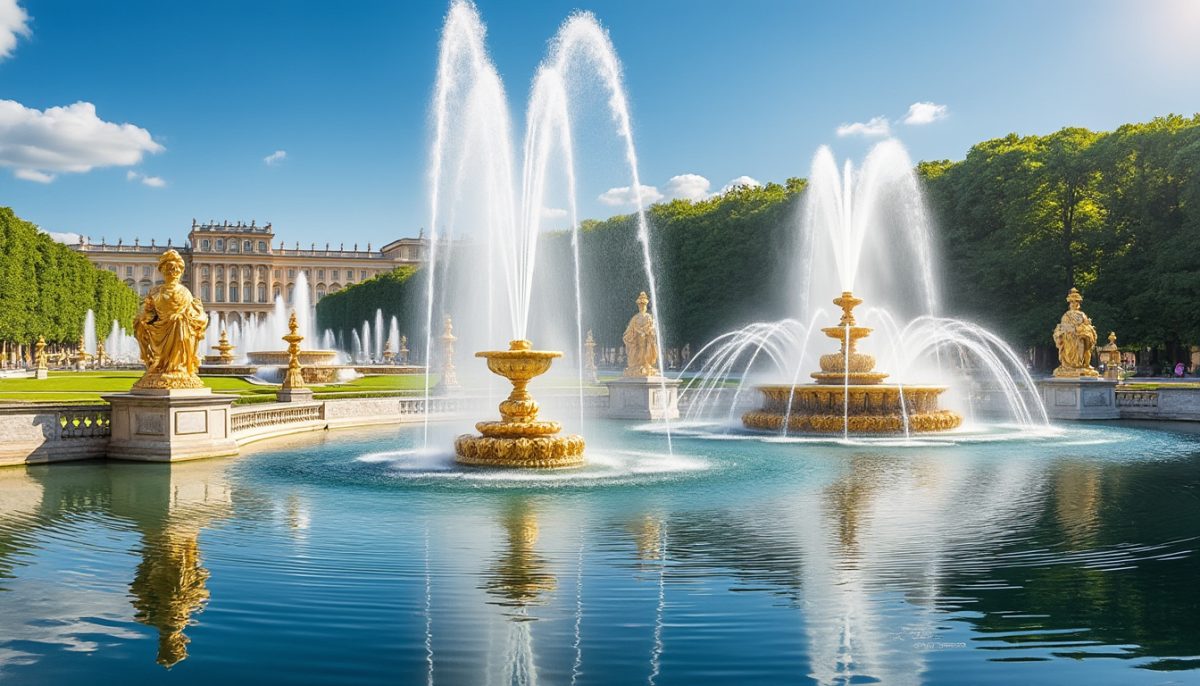
The gardens of the Palace of Versailles, a UNESCO World Heritage site, boast an intricate network of fountains that have captured the imagination of visitors for centuries. From the grand water displays to the engineering marvels hidden beneath the surface, these fountains narrate the lavish lifestyle of Louis XIV, who was known as the Sun King. Each fountain serves not only as an aesthetic centerpiece but also as a testament to the power and ingenuity of the era. They stand proudly, shooting shimmering jets of water into the sky, choreographed to baroque music in a dazzling spectacle of artistry and grandeur. A visit to Versailles is not merely a stroll through historic grounds; it is an immersion into a world where water dances in celebration of nature’s beauty and the king’s legacy.
The Historical Significance of the Versailles Fountains
The fountains at Versailles are deeply rooted in history, symbolizing not just aesthetic beauty but the absolute power of Louis XIV. Prior to the reign of this formidable king, fountains were often simple structures meant for utility. However, under Louis XIV’s vision, they evolved into magnificent performances that dazzled courtiers and guests alike. The Great Fountains, constructed during the 17th century, utilized cutting-edge hydraulic engineering techniques to create a spectacular water show. This shift from utility to artistry exemplified the king’s desire to impress, intimidate, and entertain.
At the peak of their operation, the estate featured approximately 2,400 fountains, a remarkable feat that reflected the monarch’s ambition and audacity. The most famous of these, such as the Neptune Fountain and the Apollo Fountain, are not mere decorative elements; they are deeply intertwined with myths and legends, reflecting both artistic and engineering triumphs. The fountains’ designs often incorporate allegorical representations of deities or natural elements, reinforcing the connection between the monarchy and divine authority.
The use of water as a performance art form was revolutionary. Louis XIV’s fountains were meticulously designed to dazzle viewers, with intricately timed displays that harmonized with the rhythms of baroque music. The Grande Eaux Musicales, or Musical Fountain Shows, remains a highlight today, drawing spectators from around the world to experience the vibrant choreography of water. This blend of music, architecture, and engineering remains a hallmark of French artistic achievement. While we bask in the beauty of the remaining fifty fountains, the legacy of those ambitious designs continues to resonate through the ages.
The Majestic Fountains: A Closer Look
Each fountain at Versailles has its own unique story and character, contributing to the overall grandeur of the gardens. The Neptune Fountain, adorned with statues of mythological figures, commands attention with its impressive ninety-nine jets, creating a sight that leaves even the most seasoned observer in awe. Commissioned by Louis XV, this fountain is a masterpiece of hydraulic engineering and continues to be one of the highlights for visitors.
The Apollo Fountain
The Apollo Fountain holds the title of the oldest among the Versailles fountains, originating during the reign of Louis XIII. When Louis XIV took over, he transformed it into a grand display featuring a statue of Apollo driving his chariot. The fountain encapsulates both the artistic vision of the time and the king’s desire to symbolize his divine right to rule.
The Dragon Fountain
Named for the legend of Apollo, the Dragon Fountain features a dramatic representation of the young god defeating the serpent Python. Reaching a height of 88 feet, this fountain is not only visually striking but also showcases the complexity and dynamism characteristic of the Versailles fountains. Visitors experience the spectacle of water reaching astonishing heights, embodying the spirit of competition and conquest associated with the royal lineage.
Latona Fountain
The Latona Fountain, inspired by Ovid’s Metamorphoses, tells the tale of Leto, the mother of Apollo and Diana. This tiered fountain illustrates her plight against the locals who insulted her children, culminating in a display of transformation as she calls upon Jupiter for aid. This fountain combines art and storytelling, making it an essential part of not only the garden but also the cultural fabric of France.
The Engineering Marvels Behind the Fountains
The success of the fountains at Versailles rests largely on sophisticated engineering that was groundbreaking for its time. Chief among these innovations was the Machine de Marly, a complex system that pumped water from the Seine River to supply the extravagant fountains. The assembly of this hydraulic system not only illustrated the advanced technology of the period but also demonstrated the capacity for man to control nature.
The Grand Canal
Another vital component of the fountain system is the Grand Canal, a magnificent mile-long waterway that collects water drained from the fountains. This engineering marvel played a dual role: it supplied water for the fountains while also serving as a scenic backdrop for royal festivities. Completed after eleven years of labor-intensive excavation, the Grand Canal facilitates the water cycle of the gardens, ensuring that the fountains never run dry.
Water Supply and Sustainable Practices
The water supply for the fountains was once a significant expense, reflecting the extravagance of royal expenditures. At one point, the water bills constituted a staggering one-third of the total operating budget of Versailles. Today, efforts to sustain this piece of heritage continue, embracing modern practices while honoring the original vision of Louis XIV. Understanding the historical implications of water management not only enhances our appreciation of these installations but also offers lessons in sustainability.
Experiencing the Fountains Today
Visiting the fountains at Versailles offers an opportunity to step back in time and witness an artistic experience that has captivated the world for centuries. The Grandes Eaux Musicales events, held primarily in the warmer months, allow visitors to experience the fountains in their full glory, complete with musical accompaniment that evokes the original performances. Guided tours provide insight into both the history and the intricate workings behind these spectacular installations, allowing guests to uncover stories beyond the visible beauty.
In addition to the waterworks, the gardens themselves are a masterpiece of design by André Le Nôtre, who envisioned a harmonious relationship between the flora and the water features. This landscape invites exploration, offering hidden paths and serene corners to reflect in peace. Visitors are encouraged to take their time, soaking in the ambiance, capturing moments that will blend the artistry and history into lasting memories.
For those looking to delve deeper into the royal lifestyle, exploring elements like the grand palaces and their opulent interiors can be coupled with the fountain experiences. Choose from options that include bike tours, where riders can breeze through the expansive grounds, or leisurely boat rides on the Grand Canal, creating a well-rounded experience of Versailles’ rich history. Whether you’re marveling at the majestic fountains or indulging in the lush gardens, the experience remains unforgettable.
| Fountain Name | Year Established | Notable Features |
|---|---|---|
| Neptune Fountain | 1736 | 99 jets, designed by Ange-Jacques Gabriel |
| Apollo Fountain | Chronologically the oldest | Statue of Apollo, lavish design |
| Dragon Fountain | From the reign of Louis XIV | 88 feet high, heroic themes |
| Latona Fountain | Late 17th century | Inspired by Ovid, tiered structure |
Conclusion: The Timeless Allure of Versailles Fountains
The fountains of Versailles remain an enduring symbol of artistic brilliance and royal ambition. With every spray of water and each melodic note that fills the air, they continue to draw visitors from every corner of the globe. The legacy of Louis XIV lives on through these extraordinary displays, reminding us of the power of art to transcend generations, cultures, and time itself. To experience the fountains is to be transported to an era of grandeur where water’s dance serves not just as a spectacle but as an integral part of a narrative that continues to enchant and inspire.