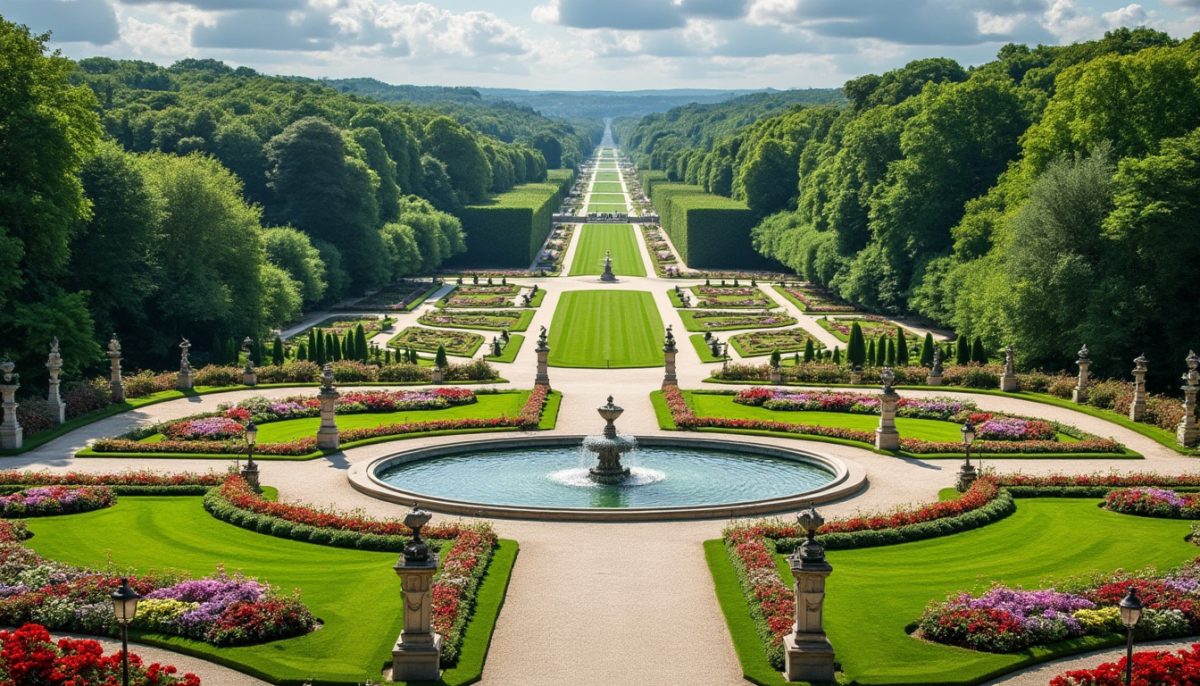
Stepping into the Versailles Gardens is akin to entering a living canvas of history, art, and nature meticulously crafted over centuries. A product of the grand vision of Louis XIV, these gardens were designed not only to be visually stunning but also to reflect the immense power and influence of the Sun King during his reign. The sheer expanse of the gardens showcases a blend of classical French landscaping techniques, where symmetry and order reign supreme, epitomizing the height of 17th-century garden design. This UNESCO World Heritage site, encompassing over 250 acres, is adorned with intricate pathways, vibrant blooms, and opulent sculptures that evoke a sense of awe and tranquility. Beyond the formal gardens lies the Grand Woodland Park, an expansive natural retreat enveloping visitors in its verdant embrace, offering a perfect backdrop for leisurely strolls and contemplative moments.
As the seasons change, the gardens transform dramatically, revealing new vibrancy with each passing month. Visitors may encounter the unmistakable allure of botanical beauty adorned in rich autumn colors or the refreshing blooms of spring—a testament to the artistry of renowned gardener André Le Nôtre, who dedicated forty years to fulfilling the king’s ambitious aspirations. The combination of meticulously manicured spaces and wild woodland areas provides a dual experience of order and wildness that is rare, captivating, and reflective of the French spirit in landscape design.
History and Design of the Versailles Gardens
The history of the Versailles Gardens can be traced back to the mid-17th century, when Louis XIV envisioned a palace that would represent the absolute power of the monarchy. Commissioning André Le Nôtre, a master gardener renowned for his innovative approach, the king sought to create a setting that would be as magnificent as the palace itself. The design was revolutionary, introducing the formal garden style known as jardin à la française, characterized by meticulously structured layouts, geometric patterns, and the integration of water features.
André Le Nôtre’s genius lay not only in his ability to design but also in how he manipulated the land to showcase a narrative of nature and power. His extensive plans featured vast lawn areas interspersed with intricate parterres, ornamental topiaries, and an arrangement of flower beds that change with the seasons, offering a living tapestry of color and fragrance. The layout focuses on an east-west alignment, culminating in the spectacular Grande Perspective, which extends from the Hall of Mirrors, providing breathtaking vistas that enchant visitors even today.
Key Features of the Gardens
Several timeless features of the gardens serve as highlights for visitors. One of the most iconic elements is the series of stunning fountains that dot the landscape, providing enchanting displays during the Musical Fountains Show from April to October. These spectacles combine water, light, and music, offering a celebration of nature and art—a fascinating homage to the grandeur of royal festivities held in the past.
Moreover, sculptures adorn the gardens, each telling a story or marking significant historical or mythological moments. The choice of materials and placements is deliberate, ensuring that each piece enhances the overall atmosphere, encouraging visitors to pause, reflect, and appreciate the artistry involved. Whether it’s the gentle flow of water from a fountain or the soft rustling of leaves in the garden, each element works together to create a symphony of tranquility and beauty.
The Grand Woodland Park: A Journey into Nature
Beyond the formal gardens, the Grand Woodland Park stretches over an impressive 800 hectares, offering visitors an authentic experience of natural beauty interwoven with history. The park features two significant water bodies—the Grand Canal and the Lake of the Swiss Guards—each adding to the serene landscape that invites leisurely pursuits. The woodland areas, characterized by winding paths and shaded groves, are ideal for nature walks and moments of introspection.
This sprawling area reflects a departure from the formal gardens, embracing a more relaxed style that allows nature to flourish. Visitors can find solace on the myriad trails, often enveloped by the sounds of birds and rustling leaves, a stark contrast to the calculated beauty of the nearby gardens. The historical significance of the woodland, preserved through various regimes, including during and after the French Revolution, highlights its importance as a sanctuary for both wildlife and those seeking escape from the hustle and bustle of royal life.
Activities in the Woodland Park
The Grand Woodland Park encourages exploration, offering ideal conditions for activities such as cycling and hiking. For those who prefer a more leisurely experience, picnic spots are scattered throughout the grounds, inviting families and friends to gather and socialize amidst the backdrop of historical landscaping. The park’s design subtly guides visitors toward natural wonders while still allowing them to engage with the idyllic scenery. The preservation of original borders lends an air of authenticity to the park, as it remains closely aligned with its historical roots.
Families will find ample opportunity to educate and inspire their children about nature, while couples searching for romance can steal away to secluded corners or enjoy tranquil boat rides on the canal. The park is also home to various wildlife, including deer, rabbits, and dozens of bird species, all contributing to its charm and enhancing the experience of wandering through this natural retreat.
Visiting Versailles: Practical Tips
For those seeking to experience the Versailles Gardens and the Grand Woodland Park, planning is key. The gardens are typically open daily, even on Mondays when the palace is closed, providing flexibility for visitors’ schedule. It’s advisable to arrive early, particularly during the summer months when the grounds can become crowded.
While access to the gardens is generally free, there are specific dates when ticket purchases are necessary, primarily during the highly anticipated Musical Fountains Show. Visitors can engage with the show, blending music, water, and light in a captivating spectacle that pays tribute to the gardens’ majestic history.
Accessibility and Amenities
Facilities within the gardens cater to a variety of needs, ensuring that both families and solo travelers have a comfortable experience. Several rest areas, along with food stalls offering delights inspired by French cuisine, are strategically placed. It’s also essential to bring comfortable footwear, as exploring the expansive grounds might involve considerable walking.
For those wishing to delve deeper into the gardens’ history and design, guided tours present an excellent opportunity to learn from experts. Various options are available, from intimate group tours to more extensive excursions that explore both the gardens and the palace. For those interested, consider booking a tour through Versailles Guided Tours, which can enhance the overall experience with added context and stories.
| Season | Opening Hours | Special Events |
|---|---|---|
| Spring (April – June) | 7:00 AM – 8:30 PM | Musical Fountains Show on weekends |
| Summer (July – August) | 7:00 AM – 8:30 PM | Water and music shows |
| Autumn (September – November) | 8:00 AM – 6:00 PM | Harvest Festival in October |
| Winter (December – March) | 8:00 AM – 6:00 PM | Winter illuminations and festivities |
Conservation and Preservation Efforts
Preserving the legacy of the Versailles Gardens and the surrounding Grand Woodland Park is an ongoing commitment that involves numerous conservation efforts. The gardens require frequent upkeep to maintain their original splendor. Historical records indicate that renovations have been necessary approximately every century to uphold the garden’s aesthetic integrity, ensuring that future generations can appreciate the unparalleled harmony of nature and design.
In recent years, efforts have evolved to focus on sustainability and ecological preservation, balancing the need for human interaction with wildlife conservation. Practices including organic gardening, habitat restoration, and efficient water management have introduced a new layer of care, demonstrating a commitment to nature that echoes the original intentions of the grounds while addressing contemporary challenges.
The Impact of Climate Change
As environmental challenges intensify, the gardens face pressures that demand innovative solutions. Recognizing this, the management team at Versailles has begun integrating technology to monitor plants’ health and implement adaptive strategies for maintaining the delicate ecosystem. Through collaborations with environmentalists and botanists, the gardens are becoming a living laboratory where history meets modern innovation. By prioritizing sustainability, they not only honor their past but also forge a path toward a resilient future.
Visitors to the Versailles Gardens and the Grand Woodland Park not only witness a historical testament but also participate in a narrative of preservation and respect for nature. The gardens stand as an enduring symbol of French creativity, encouraging admiration and reflection amidst their enchanting surroundings.