As Paris continues to be a pivotal center for culinary excellence, the recent unveiling of the Michelin Guide has drawn significant attention. Each year, this renowned guide celebrates the crème de la crème of dining establishments, granting stars based on quality, creativity, and service. In 2026, the announcements not only highlighted the perseverance and innovation in the culinary scene but also introduced a fresh cohort of distinguished chefs and their restaurants. This year’s release has evoked a sense of excitement among food lovers, prizing those who intertwine tradition with novelty, elevating them within the competitive French gastronomic landscape. The selection process, often perceived as a mysterious art, emphasizes the relentless dedication that these culinary artisans invest into their craft as they navigate the ever-evolving expectations of discerning diners.
As the city embraces these new accolades, many speculate on the implications for both seasoned and emerging talents in the field. What does it truly take to achieve a coveted Michelin star? This guide serves not just as a ranking but as a cultural touchstone that influences the culinary discourse, allowing patrons to connect intimately with the chefs’ narratives and inspirations. Exploring the newly awarded stars offers an opportunity to taste the innovative culinary expressions that define contemporary French cuisine while reflecting the vibrant multicultural influences that characterize Paris.
Emergence of New Stars in 2026
The Parisian culinary scene has always been in a state of flux, and 2026 has proven to be no different. With the Michelin Guide announcing its latest stars, we see a blend of new and returning restaurants that together narrate the ongoing evolution of this famed city. A particularly notable change is the introduction of one new three-star establishment, Kei, helmed by the acclaimed chef Kei Kobayashi, who marks a significant evolution in French gastronomy. This promotes the idea that high-quality fine dining is not just about lavish ingredients but also the expertise and artistry of the chef behind the meal. Abandoning typical conventions, Kobayashi brings a unique Japanese perspective to traditional French dishes, offering an exciting new dimension to the culinary landscape.
Further embellishing the star-studded list are four new two-star restaurants in Paris, showcasing chefs who have reimagined classic dishes while introducing bold flavors. Among these is L’Abysse au Pavillon Ledoyen, led by the highly regarded Yannick Alleno, noted for his innovative approach to cuisine that balances tradition with avant-garde techniques. Another notable mention is La Scène, guided by the talented chef Stéphanie Le Quellec, who has shown remarkable prowess in creating thoughtfully composed dishes that respect seasonal produce. The return of L’Atelier de Joel Robuchon Étoile, which has regained its second star, exemplifies resilience in a competitive environment where culinary excellence is continually assessed.
For newcomers, the Michelin Guide awards offer unparalleled exposure. Restaurants like Le Faham and Pavyllon have quickly risen to prominence, attracting food critics eager to explore the latest trends while fueling local excitement among gourmands. Such rapid ascension underscores the dynamic nature of Paris’s culinary landscape, where innovation and tradition can coexist harmoniously. Dish after dish, the newly awarded chefs showcase their individual stories—each plate tells a tale that resonates with diners on both a sensory and emotional level, enabling them to connect deeply with their food.
Impact of Michelin Stars on Chefs and Restaurants
Receiving even a single star from the Michelin Guide can dramatically change a restaurant’s fortunes. Studies have shown that after a restaurant is awarded a star, it often experiences a significant boost in reservations, sometimes leading to fully booked nights weeks or months in advance. Chefs who have ascended to star status often find themselves at a crossroads—choosing to maintain their innovative approach while dealing with heightened expectations.
The success stemming from a Michelin star can be both a blessing and a challenge. For chefs like Kei Kobayashi, the newfound recognition elevates his culinary concept on a global scale, fostering collaborations and your innovative projects that were previously unattainable. It pushes others to strive for excellence within their kitchens, elevating the standard across the board. A Michelin star serves as a badge of honor and a crucial marketing tool, attracting customers eager to indulge in new culinary experiences. Food critics, too, have recognized that the presence of stars directly translates into an unparalleled dining experience, often leading to a detailed exploration of the chef’s philosophy and artistry.
However, the pressure that accompanies such accolades can lead to a cycle of high expectations where chefs feel they continually need to innovate to retain their stars. This was particularly highlighted in the recent stories of self-doubt voiced by chefs. Some have opted for the freedom of stepping away from the star-driven narrative, choosing to focus on everyday cooking that remains true to their roots and culinary principles. Such reflections indicate that while Michelin stars can amplify a chef’s visibility, they can also impose an expectation that might detract from the joy of creating. The culinary journey thus becomes multifaceted; one where the notion of success transcends simple metrics based on recognition.
Understanding the Culinary Trends: A Closer Look
The latest entries in the Michelin Guide reflect broader culinary trends that showcase a shift towards sustainability, creativity, and diversity. Modern diners are increasingly conscientious about the origins of their food, valuing restaurants that prioritize local sourcing and environmentally responsible practices. Chefs are embracing these philosophies, integrating fresh local ingredients into their dishes while exploring techniques that maximize flavor and minimize waste.
One of the standout trends is the rise of plant-based cuisine, which has garnered considerable attention and respect within the fine dining sector. Restaurants that once focused purely on meat and seafood are now incorporating more vegetarian and vegan options, allowing for an exploration of textures and flavors from previously underutilized ingredients. For instance, L’Innocence in the 9th arrondissement has garnered accolades for its inventive use of vegetables, employing methods that highlight their natural sweetness and versatility.
This shift reflects a broader cultural recognition of the need for sustainability, which resonates with many customers who are increasingly vocal about their preferences. The increasing willingness of chefs to experiment with diverse cultural influences is also evident, as many incorporate elements from different cuisines to create unique combinations that enrich the dining experience. For example, Fleur de Pavé, located in the 2nd arrondissement, combines classic French techniques with spices and flavors from various culinary traditions, producing bold and innovative dishes that have quickly gained attention.
Redefining Dining Experiences
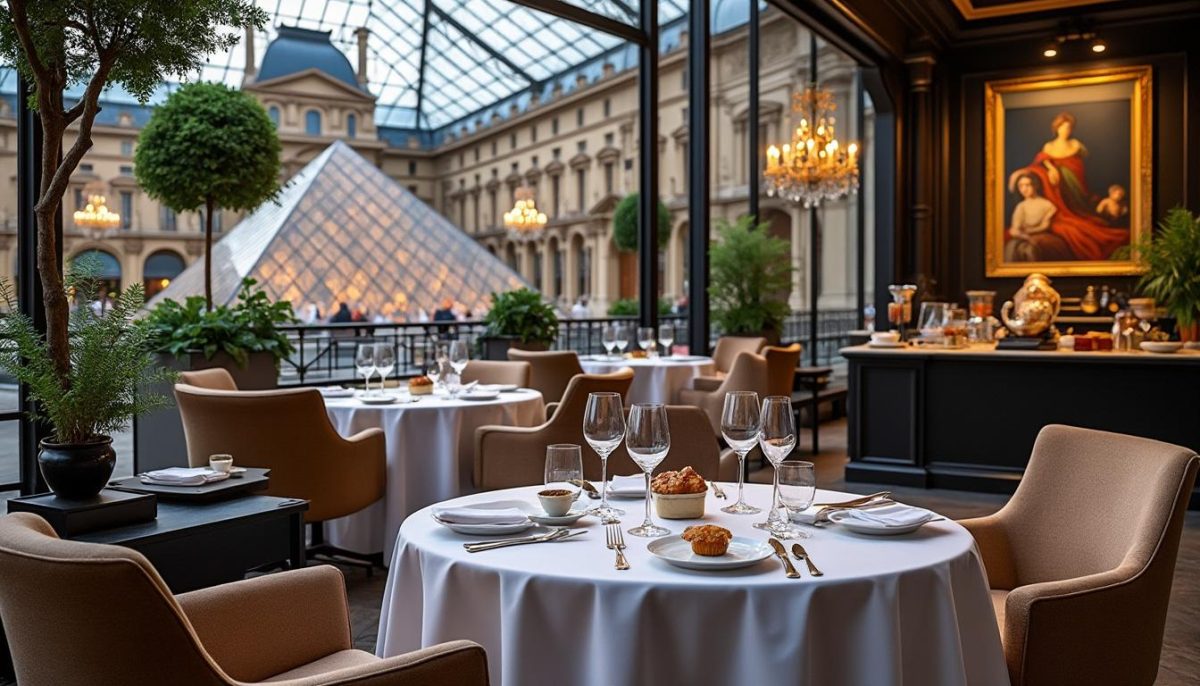
In addition to culinary creativity, the experience of dining has also evolved significantly in recent years. Customers are seeking not only outstanding food but also memorable environments where they can connect with friends, family, and the chefs themselves. Many newly recognized establishments focus on creating a holistic experience that transcends traditional dining.
This involves a careful consideration of the ambiance, service style, and even the storytelling that accompanies the meal. Restaurants like Pavillon de la Reine are going beyond mere table service, engaging diners through interactive tastings, chef’s tables, and personalized menus that reflect individual preferences. The goal is to forge a deeper connection between the diners and the chefs, elevating a meal to a multi-sensory experience.
Chefs are increasingly visible in this dynamic, often stepping out of the kitchen to engage directly with diners. This connection not only adds to the dining experience but also allows chefs to share the inspiration behind their dishes. The communal aspect of dining fosters a sense of community, emphasizing the shared journey of food and discovery.
Table of New Michelin-Starred Restaurants in Paris 2026
| Restaurant | Chef | Stars | District |
|---|---|---|---|
| Kei | Kei Kobayashi | 3 | 1st |
| L’Abysse au Pavillon Ledoyen | Yannick Alleno | 2 | 8th |
| La Scène | Stéphanie Le Quellec | 2 | 8th |
| L’Atelier de Joel Robuchon Étoile | Joel Robuchon (Legacy) | 2 | 8th |
| Le Faham | Kelly Rangama | 1 | 17th |
| Pavyllon | Yannick Alleno | 1 | 8th |
| L’Innocence | Chef TBD | 1 | 9th |
As the Michelin Guide continues to evolve, so too does the narrative of the Paris culinary scene. With each new announcement, a tapestry of stories unfolds—a blend of resilience, creativity, and community spirit that fuels the passion of chefs and diners alike. The ongoing evolution represents a significant chapter in the legacy of French gastronomy, assuring that Paris remains a beacon for culinary enthusiasts worldwide.