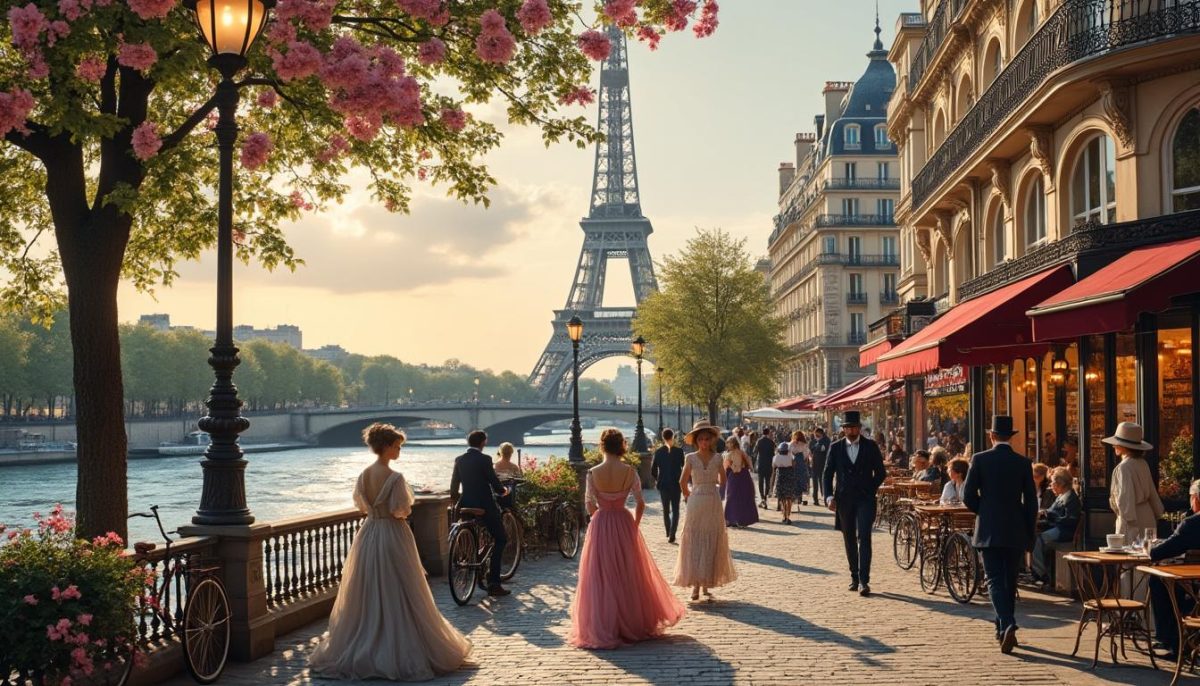
Exploring the cinematic legacy of Midnight in Paris reveals how Paris serves as a backdrop to one of the most enchanting films of recent years. Woody Allen, through this charming narrative, revisits the cultural vibrancy of the 1920s, inviting audiences into a world filled with iconic artists, writers, and profound artistic inspiration. As journey unfolds, viewers are immersed in the joys and pitfalls of nostalgia, wrapped in the allure of vintage Paris. From the majestic streets of the Latin Quarter to the romantic ambiance of Giverny, each scene captivates, making the film not just a story but a tribute to the city itself — a living entity that breathes artistry and decay in equal measure. The intricate tapestry of relationships echoed throughout the film serves to spark curiosity about the very places that shaped these artists’ legacies and transformed the city into an eternal muse.
Exploring Iconic Film Locations in Midnight in Paris
The enchanting backdrop of Midnight in Paris stands as a testament to the magic of filmmaking that intertwines storytelling with geography. Among the most memorable scenes is the pivotal moment at the steps of Rue Montagne Sainte-Geneviève, where Owen Wilson’s character, Gil, embarks on his nightly transcendental journey in search of inspiration. These steps, leading to the Church of Saint-Étienne-du-Mont, have become a pilgrimage site for fans eager to relive the enchantment of the film. This area, with its cobblestone streets and vibrant atmosphere, encapsulates a sense of adventure, beckoning visitors to imagine a time when creativity flowed from the very essence of the city.
The film’s portrayal of Hotel Le Meurice reflects the luxurious side of Parisian life, where sophistication meets history. This distinguished hotel, adorned with an artistic spirit, hosts a memorable wine-tasting scene that showcases a blend of extravagant taste and sharp wit. The terrace under the Parisian sky not only caters to the elite but also emphasizes the film’s exploration of decadence rooted in a city that celebrates its past while envisioning its future. As one ponders the experiences that unfold in this setting, the synergy between the characters and their surroundings emerges as a vital component of the narrative’s charm. History pervades from every corner, enhancing the allure of this coveted establishment.
Another pivotal establishment features prominently in the movie: Hotel Le Bristol. This historical hotel is more than a luxurious getaway; it serves as a pivotal setting for significant plot moments. The interiors, designed to evoke the grandeur of Parisian opulence, echo the character dynamics that fuel the narrative. Visitors who choose to stay here can imagine themselves in the midst of artistic discourse, sharing conversations reminiscent of the vibrant salon gatherings that marked the era they portray. This splendid homage to Parisian elegance underscores how the environment interacts with the story, creating a rich narrative landscape.
The Artistic Inspiration of Paris in Cinema
Paris has long been heralded as a muse for countless artists, and Midnight in Paris magnifies this phenomenon through its storytelling. The film deeply connects each character’s journey to the essence of the city, interweaving literature, music, and visual art into a seamless narrative. Allen’s ingenious approach provides a nostalgic look into the creativity that has flourished along the banks of the Seine. For instance, the depiction of literary giants like Ernest Hemingway and F. Scott Fitzgerald caught in their day-to-day lives casts a light on not only their struggles but also their triumphs, transforming Paris into a cradle of innovation and excellence.
As the plot unfolds, Gil’s interactions with these artistic icons shape his understanding of both his aspirations and the fleeting nature of time. The film cleverly filigrees the struggles of the present with echoes of the past, urging viewers to reflect on their relationship with the world around them. The fictional dinner at Maxim’s captures the essence of this creative milieu, showcasing how social interactions spark artistic inspiration. Dining under the Belle Époque decor evokes a sense of grandeur and nostalgia, serving as a physical reminder of the impact Paris has had on the arts.
The Allure of Giverny and Its Gardens
In a poignant turn, the film ventures beyond the city limits to the picturesque village of Giverny, home to the iconic gardens of Claude Monet. This tranquil retreat represents the intersection of nature and art, where Gil experiences a life-altering moment. The Japanese bridge nestled among Monet’s lily pads serves as a backdrop for a romantic scene that further emphasizes the intertwining of love and artistic inspiration. The vivid colors and serene surroundings breathe life into the narrative, allowing viewers to immerse themselves in a tranquil beauty that only Paris can provide.
Giverny stands as a symbol of the restorative power of art, presenting a contrast to the hustle of Paris. Visitors flock to these gardens not merely to pay homage to the painter but to experience the landscape that served as a source of inspiration. The film’s decision to include this location underscores the importance of balance between creativity and respite, drawing valuable lessons about the need for spaces that foster artistic reflection. Hence, Giverny emerges as not just a filming location but a reminder of the serene influences that art can have on life itself.
The Cultural Impact of Midnight in Paris on Modern Tourism
The overarching success of Midnight in Paris transcended the film itself, significantly influencing modern tourism and travel cultures. The movie has led to a notable spike in visitors eager to trace the steps of its characters throughout the city. Themes of nostalgia and the romanticized notion of the artistic life have transformed the perception of Paris as not only a travel destination but as a vibrant, living canvas rich with history and inspiration. Throngs of tourists now visit the city with the shared intention of experiencing the same wonder and reflection ignited by the film.
As Pont Alexandre III and the majestic Palace of Versailles make fleeting appearances, they have since become integral to the travel itineraries of fans. This galvanization of interest has encouraged local businesses, restaurants, and tour operators to capitalize on the film’s narratives, creating themed tours that span the locations featured in the film. Innovative tourism strategies now delve into cultural narratives, allowing travelers to connect on a deeper level with the essence of the city and its storied past.
The film’s success has paved the way for other cinematic narratives that highlight the splendor of Paris, thereby solidifying the city’s status as an iconic inspiration in cinema. Various companies now offer curated experiences, including scenic dinner cruises along the Seine, echoing the charm that captivated audiences worldwide. The intertwining of cinema and tourism has ushered in a renaissance of interest that rejuvenates the cultural significance of famed locations.
| Film Location | Significance in Midnight in Paris | Visitor Info |
|---|---|---|
| Hotel Le Meurice | Luxury setting for significant character interactions. | Booking Info |
| Giverny Gardens | Symbol of artistic inspiration and romantic moments. | Visiting Details |
| Pont Alexandre III | Iconic meeting point highlighting romance and beauty. | N/A |
| Maxim’s Restaurant | Scene showcasing the essence of Parisian social life. | N/A |