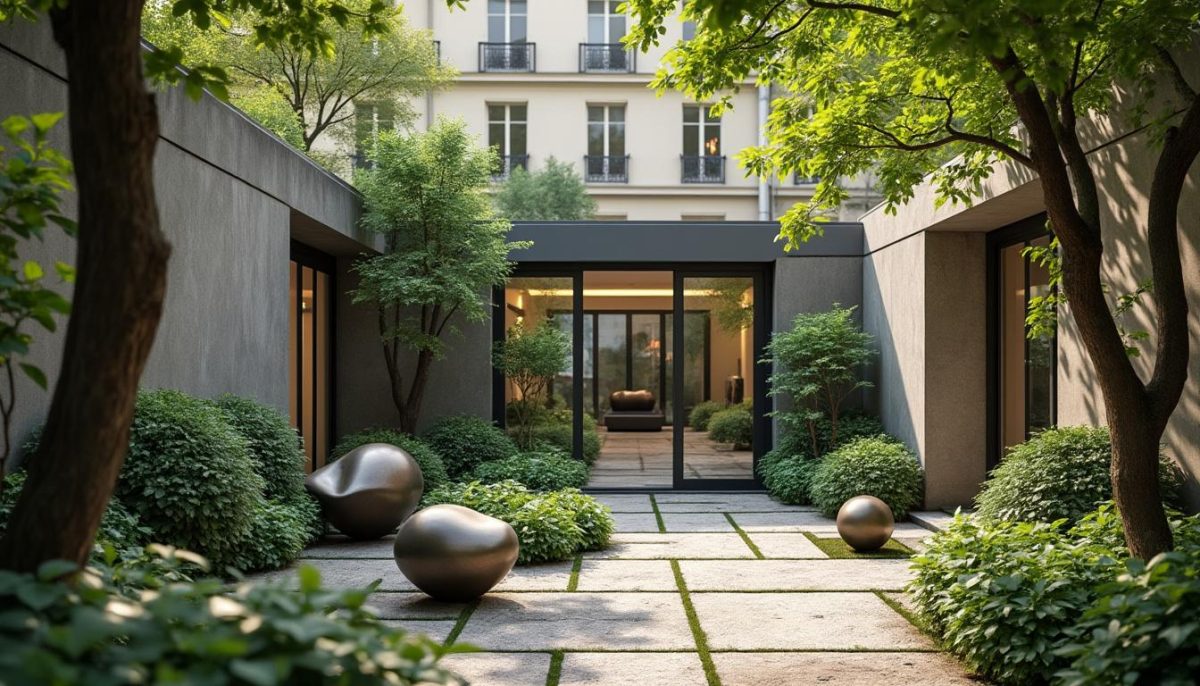
In the heart of Paris, nestled within the serene confines of the 16th Arrondissement, lies a treasure trove of artistic brilliance: the Marmottan Monet Museum. This esteemed art museum is revered as the home of the world’s largest collection of works by the legendary Claude Monet. Known primarily for his pivotal role in the Impressionism movement, Monet’s masterpieces here span his extensive career, providing visitors with a unique opportunity to witness his evolution as an artist. With over three hundred paintings, including his iconic Impression: Sunrise, the museum offers an intimate glimpse into the life and techniques of one of French art’s most celebrated figures.
The museum’s tranquil setting is not merely an aesthetic choice; it reflects the calmness and beauty that pervade Monet’s own works. This hidden gem offers a peaceful contrast to the bustling crowds often found in larger attractions, making it a perfect spot for both art enthusiasts and casual visitors. Here, one can truly connect with the essence of Monet’s vision, surrounded by his lush depictions of nature and light.
As one navigates through the galleries, the journey through Monet’s life unfolds, showcasing not just his masterpieces but also those of other prominent artists of the Impressionism era. This museum is a haven for appreciating the layered complexities of art history, making it a must-visit destination for anyone intrigued by French art.
Exploring Claude Monet’s Remarkable Journey
The journey into Claude Monet’s artistry begins the moment you step through the doors of the Marmottan Monet Museum. The museum beautifully chronicles Monet’s trajectory from his formative years as a budding artist to his later works that solidified his status as a master. One of the key highlights is the exhibit showcasing his early works, including caricatures from his youth, which reveals his lifelong passion for art.
Among the treasures exhibited is the renowned Impression: Sunrise, a painting that not only birthed the name of the movement but also exemplified Monet’s groundbreaking approach to capturing light. The significance of this piece cannot be overstated; it revolutionized the way artists perceived and depicted their surroundings. The brush strokes are not just paint on canvas; they are a narrative of Monet’s experience and perception. Visitors often find themselves reflecting on the fleeting nature of time, a theme recurrent in Impressionist works.
As one ventures further into the museum, there is the opportunity to explore Monet’s visions of Normandy, including paintings such as Trouville Beach and hauntingly beautiful views of his garden in Giverny. These works are imbued with a sense of tranquility, inviting viewers to ponder the delicate interplay between light and nature. Monet’s later water lily paintings, epitomizing his iconic style, reflect not just a visual splendor but also an introspective journey into color and form.
The curated tour of Monet’s life within the museum is complemented by pieces from contemporaries such as Berthe Morisot and Edgar Degas, allowing for a rich contextual understanding of the broader Impressionist movement. In visiting this museum, one is not merely observing artworks but is instead participating in a dialogue that transcends time.
Discovering Berthe Morisot: The Unsung Heroine
The Marmottan Monet Museum is renowned not solely for its Monet collection but also as a champion of other influential artists from the Impressionist period, particularly the formidable Berthe Morisot. Often overlooked in discussions of Impressionism, Morisot was a trailblazer and an integral part of the movement. The museum proudly showcases over eighty-one of her pieces, offering a comprehensive insight into her artistic journey.
Morisot’s contributions to the world of art are exemplified in her intimate portrayals of daily life, viewed through a uniquely feminine lens. The museum exhibits pieces like Eugène Manet and His Daughter, where the gentle brushwork and natural color palettes evoke both nostalgia and warmth. Her works often reflect the intricacies of domestic life and femininity, setting her apart from her male counterparts.
This celebration of Morisot’s life’s work is essential in understanding the broader narrative of Impressionism. Each piece in the museum draws viewers into her world, allowing for an appreciation of her pioneering spirit. The emotional depth and contemporary relevance of her paintings resonate powerfully today, providing context for how women navigated and contributed to the male-dominated art world of the 19th century.
The Broader Impressionist Landscape and Its Influences
Beyond Monet and Morisot, the Marmottan Monet Museum features numerous works from other major figures of the Impressionist movement, thereby enriching the visitor’s understanding of this transformative period in art history. Artists such as Gustave Caillebotte and Pierre-Auguste Renoir are well represented, each adding their unique touch to the museum’s diverse collection.
For instance, Caillebotte’s Paris Street; Rainy Day plays with perspective and light in a manner that highlights urban modernity. This painting portrays a moment teeming with life and atmosphere. Caillebotte’s ability to capture the essence of Parisian streetscapes reflects the profound shifts in society during the late 19th century. The combination of urban scenes with the naturalistic approach of Monet creates a powerful juxtaposition.
The museum also honors the artistic tensions that defined the movement, showcasing earlier influences from artists like Eugène Delacroix and Jean-Baptiste-Camille Corot. Understanding these influences offers crucial insights into how Impressionism emerged as a reaction against the academic art conventions of the time, paving the way for modern art trends.
Visiting the Marmottan encourages a deep appreciation for the intricacies of French art history, illustrating not just the celebrated masterpieces but also the artistic lineage that lead to the Impressionist revolution.
The Fascinating History of the Marmottan Monet Museum
The origins of the Marmottan Monet Museum are as captivating as the artworks it houses. Established in 1934 in a hunting lodge that belonged to the Duke of Valmy, the museum is a testament to the dedication of Paul Marmottan, who bequeathed his extensive art collection and estate to the French Académie des Beaux-Arts. This act of generosity paved the way for a museum that honors the legacy of Impressionism.
In exploring the museum’s culture, it’s important to note that a key focus of the collections is Monet’s family legacy, particularly the invaluable contributions from his son, Michel Monet. Following Michel’s tragic death in 1966, the museum acquired a significant number of Monet’s works, cementing its status as the largest holder of his art globally. The narratives encapsulated within the walls of the Marmottan bring depth to one’s understanding of the intersecting histories of the artists whose works are displayed.
The museum’s atmosphere is enriched further by the tales of famous art heists, including the notorious 1985 robbery where impressive pieces were stolen. Fortunately, these artworks, including Monet’s Impression: Sunrise, were later recovered, and the museum has since bolstered its security measures to safeguard these national treasures.
Today, the Marmottan Monet Museum stands not only as a sanctuary for art lovers but as a historical capsule, encouraging visitors to delve into the interplay of history and art while exploring the crucial cultural shifts surrounding Impressionism.
| Artist | Notable Work | Year | Style |
|---|---|---|---|
| Claude Monet | Impression: Sunrise | 1872 | Impressionism |
| Berthe Morisot | Eugène Manet and His Daughter | 1874 | Impressionism |
| Gustave Caillebotte | Paris Street; Rainy Day | 1877 | Impressionism |
| Pierre-Auguste Renoir | Portrait of Monet | 1874 | Impressionism |