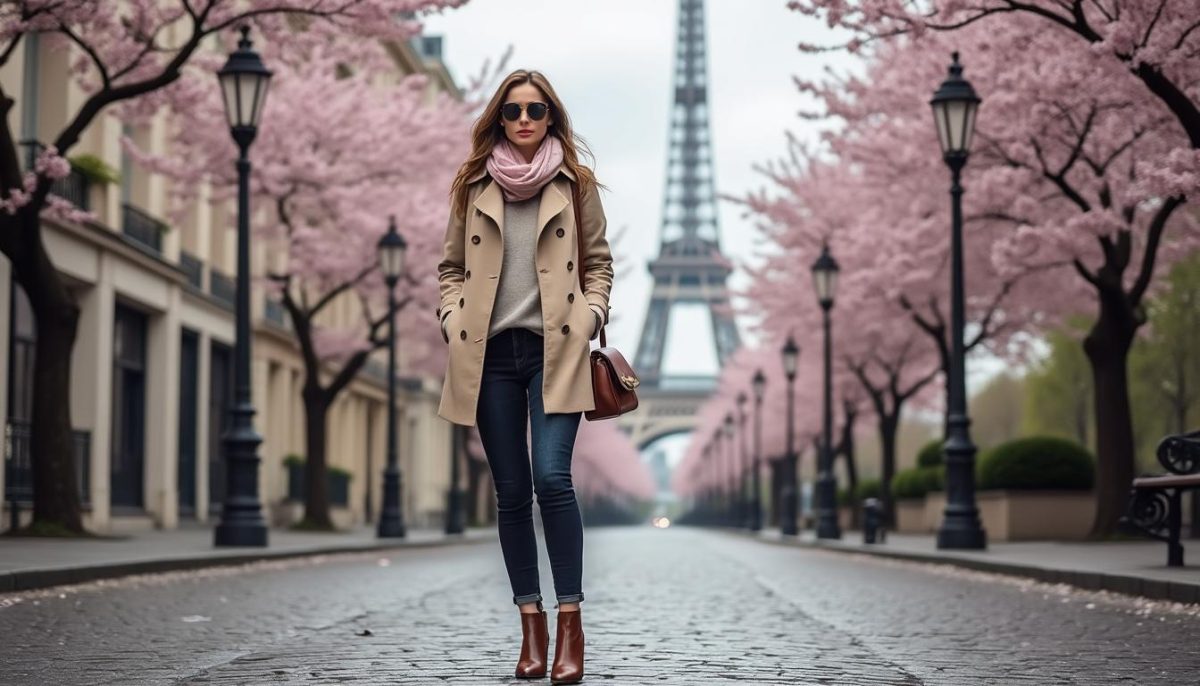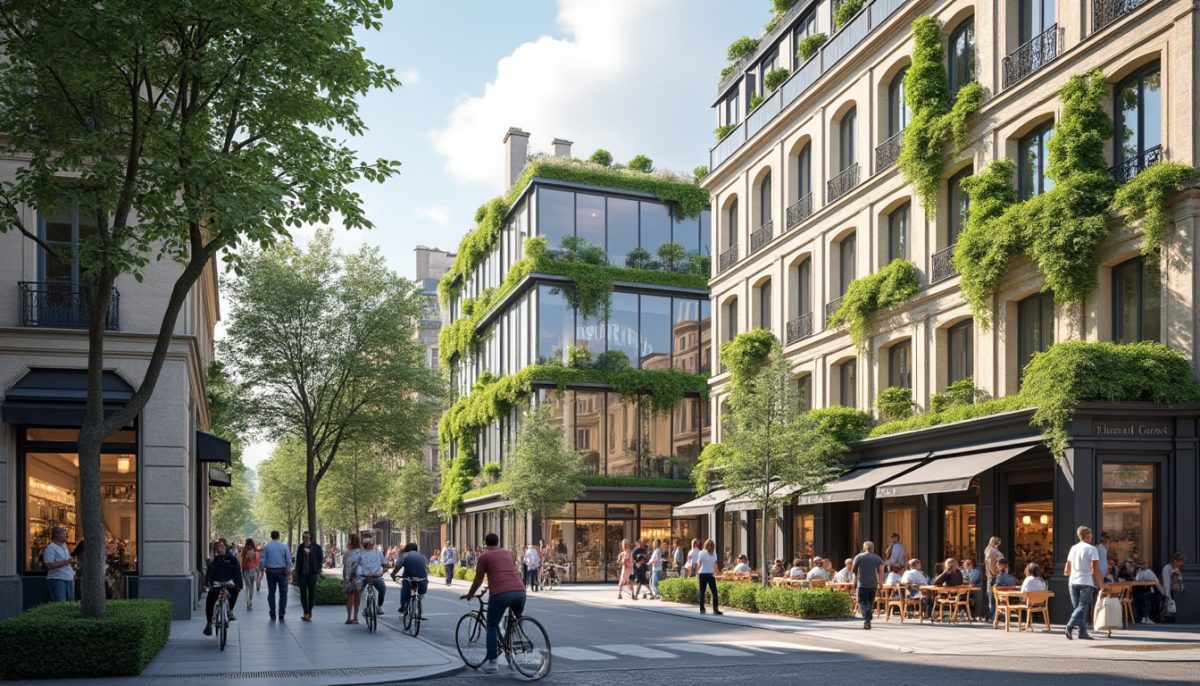
The transformation of Paris into a vibrant hub of culture, cuisine, and creativity is epitomized in Lindsey Tramuta’s captivating work, The New Paris. As an American transplant who has experienced Parisian life firsthand for over a decade, Tramuta provides a refreshing perspective that challenges the traditional notions typically associated with the City of Light. As Paris evolves, it sheds its image of monotony and embraces a more colorful and eclectic spirit, driven by a new generation eager to innovate while preserving its rich heritage. This urban revival invites travelers and locals alike to explore the city through a modern lens, highlighting its remarkable metamorphosis into a contemporary oasis where tradition meets innovation.
In her journey, Tramuta emphasizes that the Parisian landscape is no longer defined solely by historic landmarks like the Notre Dame or classical bistros. Rather, it is the flourishing culinary scene, dynamic art spaces, and contemporary fashion that truly embody the essence of modern Paris. From street food offerings to avant-garde cafes, she uncovers a wave of creativity flourishing in diverse neighborhoods, illustrating how local artisans, chefs, and entrepreneurs are redefining the Parisian experience. This exploration culminates in a must-read travel guide that serves as both an inspiration and a roadmap for anyone looking to dive into the heart of cultural renewal.
The Foundations of a New Paris: An Urban Development Story
Tramuta lays the groundwork for understanding the shift in Paris through a historical lens, mapping the city’s evolution against a backdrop of urban development. What once stood as a stronghold of traditional French values has now become a melting pot of ideas, influences, and aspirations. The emergence of co-working spaces, boutique galleries, and innovative culinary ventures illustrates a palpable change in the urban fabric. Paris has embraced a sense of adaptation, making it an exemplar for cities worldwide facing similar transformations.
In essence, the foundations of this new Paris are based on a three-pronged approach that includes heritage preservation, modern architecture, and community engagement. Tramuta emphasizes that these components are crucial in redefining how Parisians and visitors interact with their surroundings. Heritage preservation is particularly vital as it ensures that while the city evolves, it retains its historical significance, enriching character and architectural beauty.
Moreover, the modern architecture integrated throughout the city is reflective of this ongoing transformation. Projects like the Fondation Louis Vuitton, designed by Frank Gehry, stand as testaments to the city’s willingness to embrace new ideas while maintaining respect for its past. This iconic building is an artistic endeavor that melds innovation with a recognition of Paris’ artistic history. The juxtaposition of historical structures alongside these contemporary designs illustrates a city in flux, embracing modernity without abandoning its heritage.
Urban developments in neighborhoods such as the Marais showcase this balance beautifully. The area, once known for its historic mansions, now thrives with a mix of chic boutiques, craft food markets, and contemporary art galleries. It has transformed into a vibrant cultural enclave that attracts a diverse array of residents and visitors. The community plays a vital role in shaping the identity of the neighborhood, highlighting how urban renewal can occur through collaborative efforts.
A Cultural Landscape of Culinary Innovation
The culinary scene, in particular, has undergone a remarkable transformation. In her writing, Tramuta dives deep into the New Food & Dining chapter, dissecting the emergent styles that reflect the evolving tastes of Paris. The author illustrates how traditional dining establishments coexist with an array of modern interpretations of French cuisine. These include neo-brasseries that pay homage to classic dishes while presenting innovative twists, as well as international offerings that celebrate Paris as a global city.
For instance, restaurants like Le Galopin and Ellsworth signify the shift towards embracing creativity in French dining. The innovation does not end there; the culinary landscape is expanding into the realm of healthy eating, catering to diverse dietary preferences with options that include vegetarian, vegan, and gluten-free. This outreach mirrors a broader trend where the Paris food scene is no longer narrowly defined but instead a vibrant tapestry of flavors and influences.
Moreover, Tramuta highlights the importance of connecting with local artisans, such as bakers and farmers, who play an integral role in this transformation. Their commitment to quality ingredients and sustainability has become a hallmark of the New Paris dining experience. For visitors looking for authentic experiences, tramuta’s travel guide is a treasure trove of hidden gems worth exploring, from quaint bistros to bustling markets, all of which contribute to the cultural richness of the city.
Coffees, Cocktails, and Confections: Exploring the New Libations
The innovation permeating through Paris is not merely confined to food; it extends into the realms of beverages as well. In Tramuta’s exploration of coffee culture in Paris, she sets the stage for understanding how traditional cafes are evolving to accommodate the burgeoning specialty coffee scene. Established favorites like Café de Flore give way to modern establishments like Café Lomi, which emphasizes artisanal coffee and innovative brewing techniques.
What is essential to note here is the distinct atmosphere these new cafes create, blending comfort with style, allowing individuals to engage in meaningful conversations or work in an inspiring setting. The architecture within these spaces further embodies the idea of modern Paris, taking deliberate steps to invite the community in through thoughtful design choices. This transition captures the essence of conviviality that characterizes many contemporary Parisian establishments.
Moving beyond coffee, the emergence of craft cocktails symbolizes a growing desire for sophistication among Parisian drinkers. Tramuta traces this trend back to the landmark opening of cocktail bars like the Experimental Cocktail Club, which encapsulated a paradigm shift in drink culture. These establishments broke away from the historical associations of French drinking, introducing innovative concoctions and unique pairings that delight the senses.
Sweets and Pastries that Define a Cultural Legacy
In the realm of desserts, Tramuta asserts that traditional French pastries remain at the forefront, albeit with a fresh perspective. The allure of sweets in modern Paris lies in the passion and attention to quality that today’s pastry chefs pour into their work. The classics are not merely replicated; they are reimagined to reflect contemporary tastes and sensibilities.
The inherent artistry within creations from renowned pastry chefs like Pierre Hermé and Jean-Paul Hévin provides a glimpse into how the new generation honors tradition while pushing boundaries. The exceptional flavors and intricate designs serve as a testament to the dedication required to elevate these delicacies.
This ongoing cultural dialogue emphasizes that while the pastry scene carries forward the legacy of French baking, it does so in a way that is reflective of the new Paris. Visiting patisseries around the city becomes not just a quest for sweets but an exploration of the artistry and craftsmanship that defines the culinary landscape. Tramuta’s insights serve to remind us that the innovative spirit of the New Paris is alive and thriving in every bite.
Experiencing the New Paris: A Travel Guide for Urban Exploration
As one navigates through the streets of modern Paris, the lessons learned from Tramuta’s book resonate deeply. She provides a robust travel guide that empowers visitors to experience not only the visual allure of the city but also the rich tapestry of cultural narratives woven throughout its neighborhoods. The travel guide culminates in an invitation to explore beyond mere tourist hotspots, delve into local experiences, and embrace the pulse of Parisian life.
Through her recommendations, the guide emphasizes engaging with local artisans, walking through less-traveled paths such as the Marais, and attending community events that showcase the city’s vibrancy. It encourages travelers to adopt an observant mindset, allowing them to discover hidden gems while appreciating the stories that the architecture and culture narrate.
In conclusion, understanding the urban transformation and cultural renewal of Paris is an engaging experience that invites both locals and visitors to take part in this dynamic journey. Lindsey Tramuta’s work serves as a vital resource that goes beyond a mere travel guide, inviting its readers to become active participants in the unfolding narrative of modern Paris.