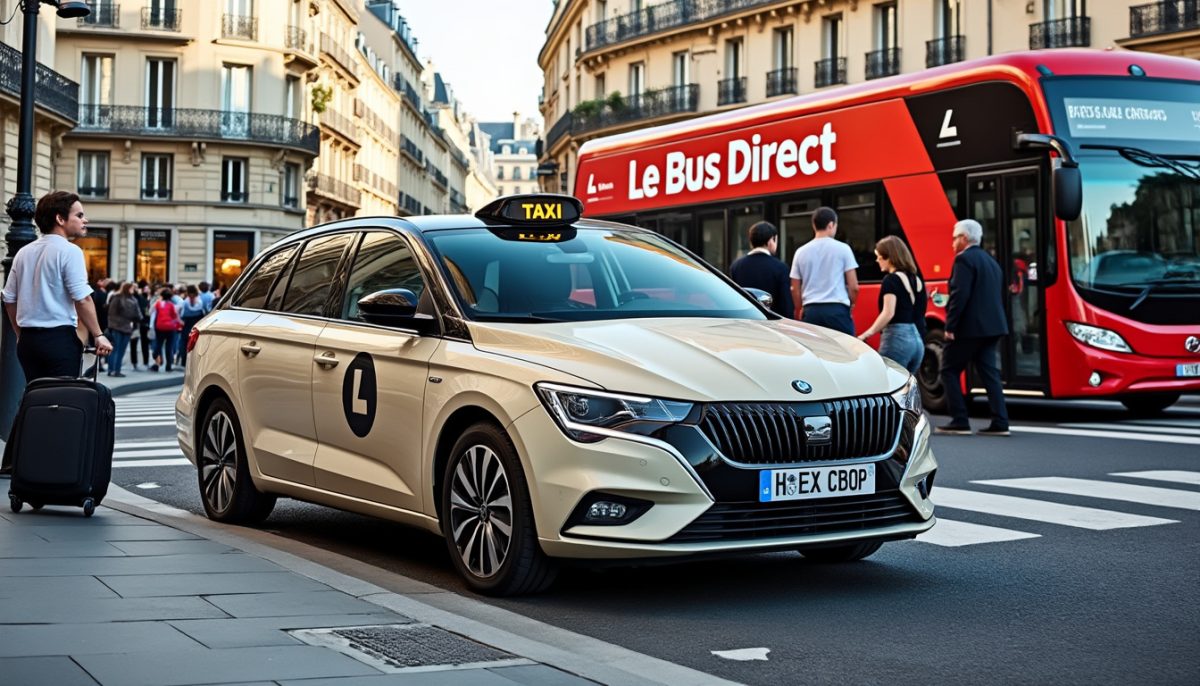
In 2026, the evolution of Paris transportation continues to impress visitors and locals alike, enhancing accessibility and convenience within the city and its surrounding areas. As Paris embraces modern mobility solutions, understanding the various transportation options is crucial for anyone planning to navigate this historic metropolis. Among the most significant developments in recent years are the flat-rate taxi fares and the availability of airport transfer services, which have simplified travel. This article delves into the details of these enhancements, focusing on their implications for tourists and daily commuters.
Flat-Rate Taxis: A Game Changer for Commuting
The introduction of fixed taxi rates in Paris has transformed the experience of airport transportation. Gone are the days of uncertain fares dictated by traffic conditions. This improvement allows travelers to plan their budgets more effectively, contributing to a more enjoyable arrival experience. The flat-rate system offers specific prices based on destinations, enhancing transparency.
For instance, as of 2018, the fixed fare from Charles de Gaulle Airport to the Right Bank stands at €50, while the cost to the Left Bank is €55. Meanwhile, those arriving at Orly Airport can expect to pay €35 to the Right Bank and €30 to the Left Bank. This structure eliminates anxiety associated with fluctuating meter rates, particularly during peak traffic periods. Moreover, the discontinued luggage surcharge further lightens the travel burden, making airport transfers more straightforward and less expensive.
Booking in advance now involves a nominal fee of €7, making it easier for visitors to secure their rides ahead of time. This function is particularly appealing for tourists who want to ensure prompt transport from the airport to their accommodation.
As the transportation landscape evolves, travelers benefit from reliable, easy-to-navigate services that align with modern expectations. The flat-rate taxi system exemplifies Paris’s commitment to improving public transport while enhancing the commuter experience.
The Impact of Flat Rates on Tourism
Understanding the dynamics of fixed taxi rates provides insight into how they can affect tourism in Paris. Tourists often arrive with a host of concerns, and transportation from the airport to the city is frequently one of them. By eliminating unpredictability in fares, the city promotes a more relaxed atmosphere for first-time visitors.
Imagine a traveler arriving at Charles de Gaulle Airport after a long-haul flight. Instead of fretting over potential surcharges due to traffic jams, they can confidently step into a taxi knowing the exact fare. This newfound peace of mind fosters a positive initial experience, encouraging explorers to dive deeper into the courses Paris has to offer.
Equally important is the impact on local businesses. As tourists experience smoother transitions from the airport to their hotels, they are more likely to explore their surroundings promptly, which can lead to increased patronage at local cafés, shops, and attractions. This economic ripple effect underscores the importance of reliable transportation infrastructure in preserving Paris’s status as a leading global tourism destination.
Le Bus Direct: A Historical Overview
Previously known as Les Cars Air France, the Le Bus Direct shuttle service provided invaluable connections between Paris’s two main airports and the city center. Although this service was discontinued in 2024, understanding its legacy is integral to appreciating Parisian transport solutions. The shuttle service was designed to cater to passengers of all airlines, providing a level of comfort and convenience that became synonymous with travel to Paris.
Operated in partnership with Aéroports de Paris, the shuttle buses functioned as a vital link, operating regularly and allowing passengers to board without extensive waiting times. Travelers could schedule journeys between Charles de Gaulle and Orly Airport with ease, enhancing overall travel efficiency.
Despite the cessation of Le Bus Direct, the discussions surrounding its role highlight the city’s adaptability in addressing commuter needs and preferences over time. Information and accessibility remain paramount as Paris continually refines its approach to public transport. The shuttle service’s existence serves as a reminder of the city’s commitment to creating seamless travel solutions, emphasizing the importance of public transport in urban navigation.
Reflections on Public Transport Evolution
The discontinuation of Le Bus Direct during 2024 was not simply a logistical shift but a reflection of wider trends in urban transportation. As cities worldwide move towards integrating more sustainable and efficient transport methods, Paris is no exception. The focus is shifting towards enhancing comprehensive transit networks, which could include trams, metro expansions, and bike-sharing options.
Multiple alternatives are still available for airport transfers, including taxis and rideshare services, showing the adaptability of transportation systems in response to new trends. Options such as these allow travelers to select their preferred mode of transport based on individual needs and budgetary constraints, maximizing their Parisian experience.
Overall, the evolution of bus services and alternatives signifies Paris’s ongoing journey toward exceptional urban commuting experiences. The city’s adaptability to embrace change ensures its position at the forefront of urban tourism, balancing historical charm with modern demands.
The Shift to Simplified Train Services
Another significant transformation has been the rebranding of the rail systems within Paris. The previously named RER trains, once a cornerstone of the Paris transit network, are now simply referred to as trains. This shift aims to demystify the transportation options available to both residents and visitors, making travel within the Paris region less daunting.
For travelers arriving at the city’s bustling train stations, understanding these updates is paramount. The introduction of simplified categories—train, subway, tram, and bus—has been implemented to streamline the transit experience. While some might initially find it challenging to navigate these changes, the overarching goal is to enhance user experience and accessibility.
Train line designations, such as A, B, C, D, and E, remain intact, helping riders maintain familiarity. Clarity and ease of navigation are integral components of this strategy. For tourists unfamiliar with the metro or suburban train systems, this update simplifies the learning curve associated with public transit.
Broader Implications for Transit Users
As Paris continues to evolve its transportation framework, the implications extend beyond mere convenience. The changes foster a more inclusive environment, encouraging both locals and visitors to engage more extensively with the city’s public transit network. By reducing barriers to entry, Paris aims to increase ridership, ultimately promoting a more sustainable future.
The benefits of a robust public transport system are manifold, ranging from reduced congestion on city roads to decreased environmental impact. As Paris progresses toward a greener future, the enhancements in train services align with broader initiatives aimed at combatting climate change while maintaining economic vitality.
With improved transportation options, all users can expect smoother journeys, which is increasingly important as cities worldwide contend with urbanization challenges. Ultimately, these changes reflect a commitment to creating a vibrant and accessible urban center that appeals to diverse populations and promotes exploration.
Navigating Paris with the Navigo Pass
The Navigo pass has emerged as a crucial resource for navigating Paris and its broader metro area without complications. This all-in-one transit pass enables access across various transportation networks, proving particularly advantageous for both commuters and tourists. With the ability to cover multiple transit zones, the Navigo pass opens doors to attractions far beyond the city center.
Specifically, the Navigo weekly pass allows users to travel conveniently across diverse regional destinations, including the historic chateaux of Versailles and La Défense. As it accommodates travel within the city as well, the pass underscores how transit systems can cater not just to locals but to those visiting from afar.
Nevertheless, potential users need to be mindful of specific limitations associated with the Navigo pass. It is not shareable, and timelines for weekly and monthly activation periods should be closely monitored. Awareness of these details can make a significant difference in the overall travel experience.
Comparing Navigo to Other Options
While the Navigo pass offers a range of benefits, it is essential to assess its value compared to standalone tickets or other transportation passes. Unlike traditional metro tickets that can be shared and do not expire, the Navigo card may not suit every traveler’s needs. For those planning to stay for a shorter duration, traditional ticket packs—like carnets—offer more flexibility and value.
In summary, the Navigo pass stands as a compelling solution for extended visits or for those needing to travel across multiple zones. Understanding its particulars, alongside other transit methods, can enrich the experience, ensuring users make the most of their time in Paris.
| Transportation Option | Cost | Coverage | Notes |
|---|---|---|---|
| Flat-Rate Taxi | €30 – €55 | Airport to City | No surcharge for luggage |
| Le Bus Direct (Discontinued) | N/A | Airport to City | Previously offered comfortable transfers |
| Navigo Pass | Varies | Multi-zones | Not shareable, covers regional travels |
In conclusion, understanding various transportation options in Paris enriches the experience for visitors and residents alike. As the city continues to evolve its systems, accessing popular destinations becomes more streamlined, allowing for a vibrant urban experience.