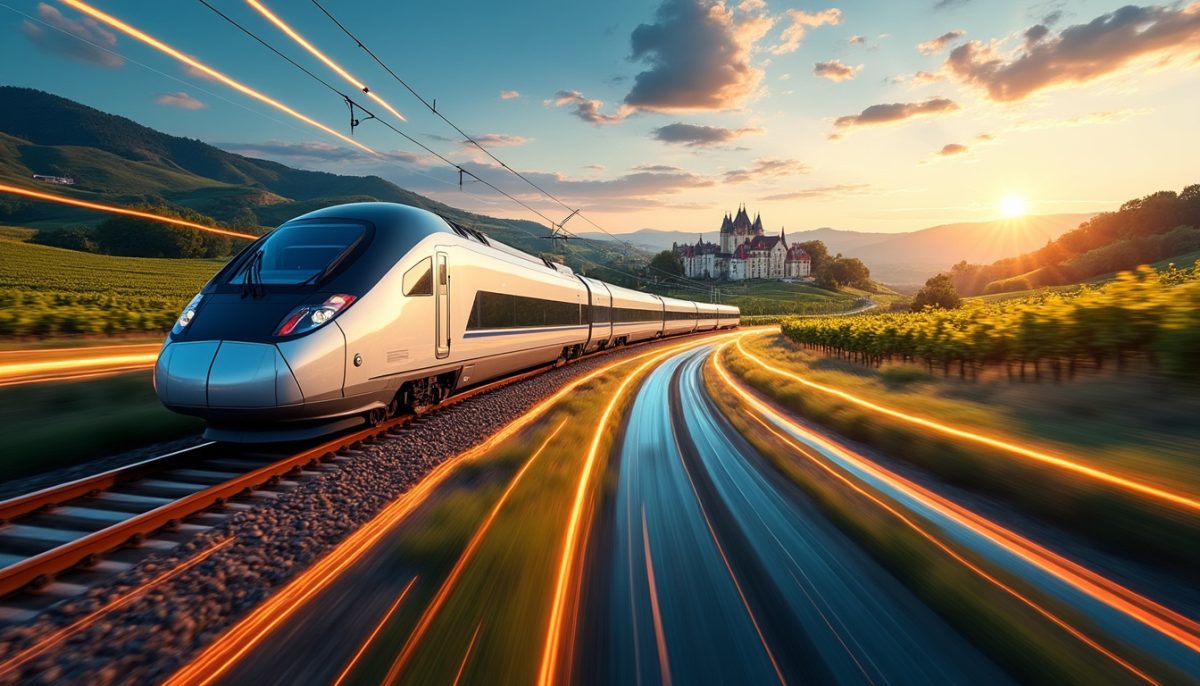
Traveling through France has never been easier, especially with the extensive high-speed train network centered in Paris. Known as the TGV (Train à Grande Vitesse), these astonishing feats of engineering allow passengers to traverse the country at remarkable speeds. The TGV’s service not only links Paris to other French cities but also connects France to neighboring countries, enabling effortless cross-border travel. From the stunning coast of the French Riviera to the historic regions of Burgundy and beyond, a world of wonders awaits just a train ride away.
With each passing year, the modernization and expansion of the rail network enhance the travel experience, making rail travel one of the most popular means to explore the beautiful landscapes and rich culture that France has to offer. In 2026, the TGV system continues to revolutionize how locals and tourists alike move around, emphasizing the convenience and comfort of modern travel. In this article, we will delve into the intricate details of the high-speed train routes, the key stations in Paris, and tips for making the most of your rail adventures while traveling across this breathtaking country.
Understanding the High-Speed Train Network in France
France boasts one of the most significant rail networks in Western Europe, characterized by its speed and efficiency. The TGV, renowned for its exceptional speed, allows passengers to travel between major cities in record time. For example, a journey from Paris to Lyon, which used to take almost four hours, now takes less than two hours thanks to the TGV’s advanced technology. This time efficiency doesn’t only serve to shorten travel times; it also promotes a more ecologically friendly option compared to flying or driving.
The TGV connects over 200 cities across France, offering an unparalleled opportunity to explore vast regions within a day. International routes extend to key European destinations, making it possible to leave Paris in the morning and find yourself enjoying lunch in Brussels or London. As more people recognize the advantages of choosing high-speed rail over other forms of transportation, the demand for train travel continues to surge.
Expanding Routes and Their Impact
As we look towards 2026, new TGV routes are set to emerge, reinforcing the significance of rail travel in the fight against climate change. The countrywide connection promises convenience for commuters and tourists alike. For instance, routes connecting Paris to cities like Marseille, Toulouse, and Nice showcase the diversity of France’s cultural heritage. With increased accessibility to remote regions through strategic planning, lesser-known destinations are becoming more prominent on travelers’ itineraries.
Moreover, the introduction of dedicated high-speed tracks ensures that trains can travel unimpeded by slower local services. This design not only enhances speed but also brings a level of comfort that first-time travelers appreciate. Most TGV trains offer spacious seating, onboard dining options, and WiFi connectivity, making it a great way to relax during your journey.
Key Train Stations in Paris: Your Gateway to the Country
Paris serves as the hub from which countless high-speed trains depart. Understanding where each train leaves from is crucial for anyone planning to explore beyond the city limits. There are six major train stations in Paris, each serving specific destinations:
Gare de Lyon is the primary station for trains heading southeast, including popular destinations like Lyon, Avignon, and Nice. Its architectural beauty is matched only by the efficiency of its services, making it a favorite among travelers.
On the other hand, Gare du Nord handles international routes, including Eurostar services to London and connections to cities like Brussels and Cologne. This station experiences high foot traffic, making it wise to arrive early if you’re traveling internationally.
Gare Montparnasse focuses on the southwest territories, including Bordeaux and Toulouse, while Gare d’Austerlitz stretches its routes to central and southern France, covering destinations such as Tours and even Barcelona.
Finally, Gare de l’Est caters to eastward journeys, including the picturesque Champagne region and, beyond that, Germany.
The organization of these stations allows travelers to easily determine their routes before embarking on their journey, and each station is well-connected to the Paris Metro, making transit seamless.
Planning Your Journey: Tickets and Timing
Buying tickets for TGV trains is essential before embarking on your adventure. To get the best prices, it’s advisable to book your tickets as early as possible, especially during peak travel seasons. The SNCF (Société Nationale des Chemins de fer Français) offers a user-friendly online platform and mobile app, allowing travelers to purchase tickets conveniently. Moreover, purchasing round-trip tickets can often yield significant cost savings.
Once you have your tickets, remember that some stations require validation before boarding. Look for the small yellow machines marked “Composez votre billet.” Neglecting to do this may lead to costly penalties.
For passengers who bring luggage, there are generally no strict limits, but managing your own bags is part of the travel experience. Be prepared to store your belongings on racks in your train car or above your seat. And for those who enjoy a leisurely onboard experience, many trains include cafes offering a variety of snacks and beverages.
Connecting to International Destinations
The TGV network doesn’t just restrict itself to domestic connections; it also plays a significant role in facilitating international travel. Eurostar services from Gare du Nord whisk travelers away to London in just under three hours, creating a perfect opportunity for a day trip or a weekend getaway. Meanwhile, Thalys trains offer swift services to numerous cities in northern Europe, including Brussels, Amsterdam, and even Cologne.
Furthermore, Elipsos connections allow for seamless travel into Spain, blending comfort with efficiency. Traveling from Paris to Barcelona or Madrid without the hassle of airport terminals reaffirms the appeal of rail travel.
The Role of Fast Transportation in France’s Economy
The high-speed train network is more than just a means of transport; it’s a vital asset to France’s economy. The ability to connect remote areas with urban centers boosts local economies by facilitating business travel and contributing to tourism development. As cities gain accessibility, they can attract international visitors drawn to their unique offerings. From culinary experiences in Lyon to art excursions in Avignon, the range of activities accessible by train is compelling.
In light of these developments, investing in high-speed rail remains paramount. The ongoing upgrades and expansions reflect a commitment from the French government to reduce travel times and environmental footprints, resonating with the global push for sustainable travel options.
Embracing Rail Travel’s Future in France
Looking ahead, the future of rail travel in France continues to evolve with advancements in technology and sustainable practices. The shift towards electrification and the exploration of new forms of energy are pivotal in maintaining the essential status of the TGV in a rapidly changing world. Innovative strides in infrastructure enable faster trains while adhering to eco-friendly principles, ensuring rail travel remains at the forefront of sustainable transportation.
Moreover, as trains become faster and more accessible, the potential for new routes is limitless. With ongoing investments and enhancements, the high-speed train system will only enrich the experience of traveling across France, affirming its position as a preferred mode of transit.
In summary, the French high-speed train network is an exceptional way to explore the beauty and diversity of France. With Paris as a launchpad, travelers can embrace the nuances of regions far and wide, all while enjoying the comfort and efficiency that comes with rail travel.
| Station Name | Primary Destinations | Key Services |
|---|---|---|
| Gare de Lyon | Southeast France | High-speed TGV services |
| Gare du Nord | International travel | Eurostar to London |
| Gare Montparnasse | Southwest cities | TGV services to Bordeaux |
| Gare d’Austerlitz | Central and Southern France | Local and long-distance trains |
| Gare de l’Est | Eastern France, Germany | Connections to Strasbourg |