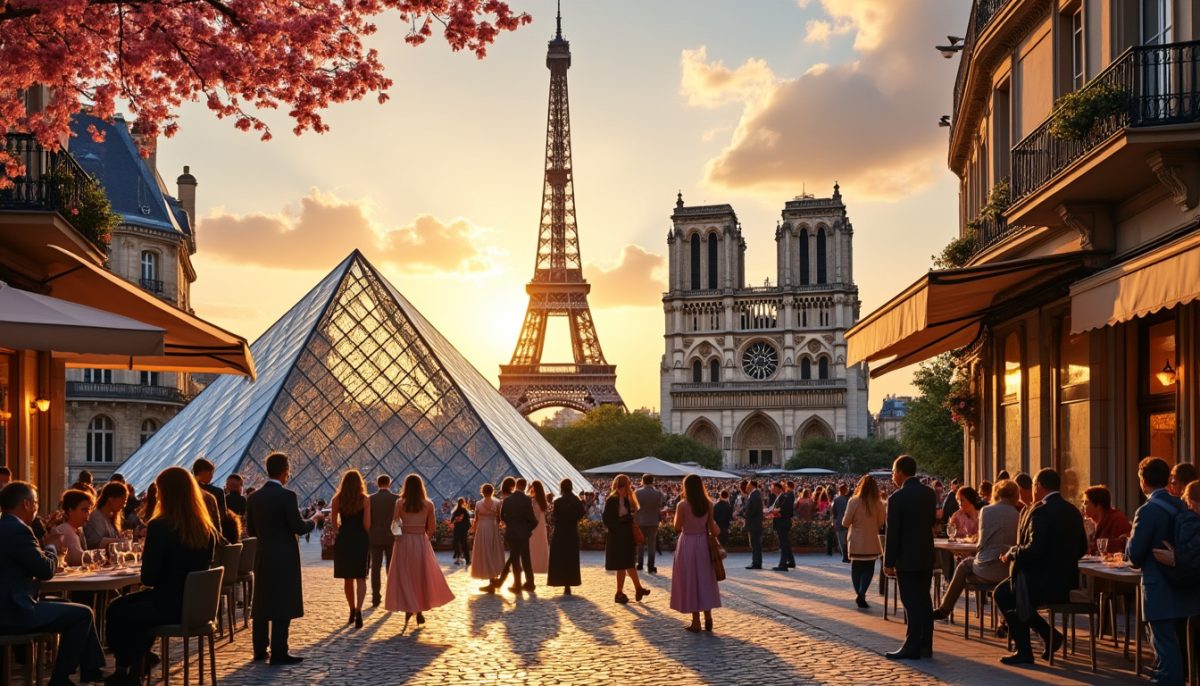
Paris is a city that encapsulates romance, history, and art in its very essence. From iconic landmarks to hidden gems, every corner of the city has a story waiting to be uncovered. Whether you are a first-time visitor or a seasoned traveler, the sheer number of tourist spots can be overwhelming, making it essential to navigate them with insider insights. This guide aims to ease your journey, offering you a blend of must-see attractions and tips that will enhance your Parisian experience. Explore the City of Lights with a fresh perspective, balancing the well-known with the unexpected.
The Eiffel Tower: A Symbol of Paris
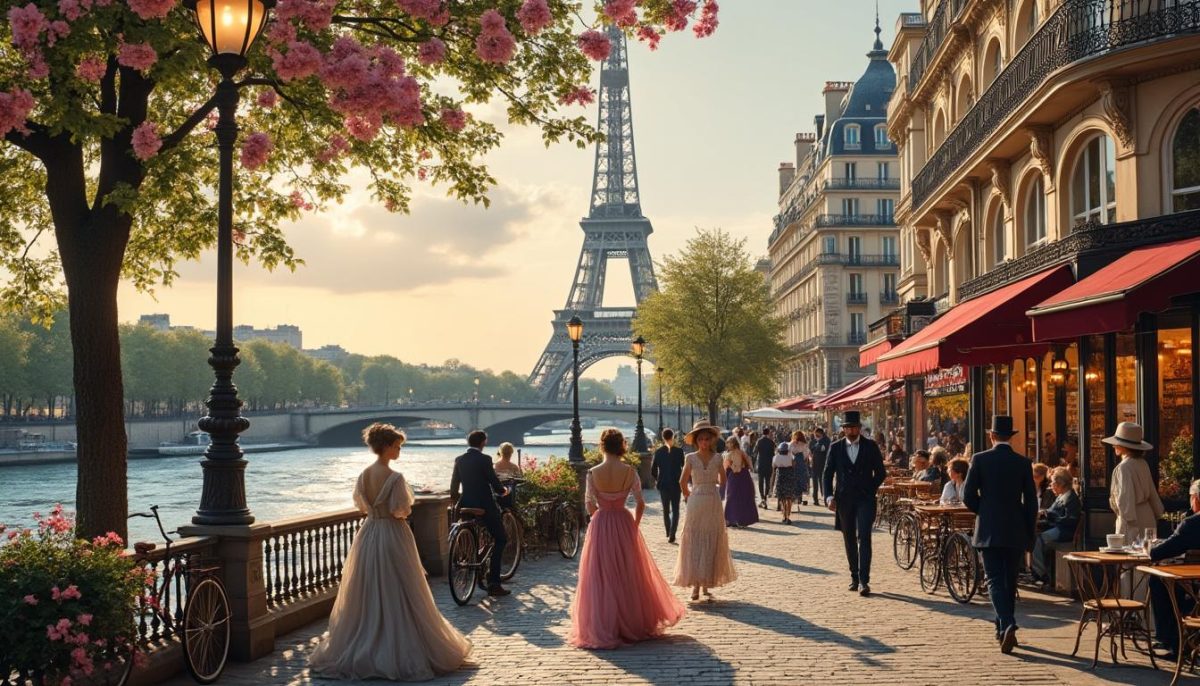
The Eiffel Tower, often dubbed as the “Pointed Lady,” is undeniably the crown jewel of Paris. Standing at 324 meters, this iron tower not only embodies Parisian grace but also serves as a fascinating subject for countless visitors. Often described as touristy, it remains magnificent and for good reason. The experience of ascending this architectural marvel is one you’ll treasure, especially when illuminated at night, creating a breathtaking view that sparkles every hour.
To approach the Eiffel Tower, the view from Palais de Chaillot at Trocadéro is particularly enchanting. By taking Metro Line 6 to Trocadéro, you can witness the grand reveal of the tower against the backdrop of the Seine. Another recommended route is via Metro Alma Marceau, walking across Pont de l’Alma, where you can enjoy a calmer perspective of the towering structure. Avoid the busy RER Champ de Mars or the Metro Bir-Hakeim entrances, as they lack a memorable approach.
When it comes to accessing the heights of the Eiffel Tower, consider booking skip-the-line tours. These tours not only allow you to bypass long queues but also enhance your visit with contextual stories of the tower’s history and design. Just remember to book early; the most popular tours fill up quickly!
Insider Tips for Visiting the Eiffel Tower
One useful tip is to optimize your visit time. The best times to experience the tower are early in the morning or late in the evening to avoid the crowds. Also, don’t overlook the surrounding gardens; they are excellent spots for photos and a bit of relaxation with a delightful crêpe.
In conclusion, the Eiffel Tower isn’t merely a structure but a gateway into the heart of Parisian culture and history. Its brilliance is complemented by the vibrant atmosphere of the surrounding areas. Exploring the Eiffel Tower is not just about reaching new heights but also about experiencing the life that dances around it.
The Louvre Museum: A Guardian of Art
The Louvre stands as a hallmark of art and architecture in Paris. It’s the world’s largest art museum and a historical monument in its own right. Often, the experience of visiting the Louvre can be daunting due to the sheer size and crowds, especially if your goal is to see key masterpieces such as the Mona Lisa or the Venus de Milo. Understanding how to navigate this iconic treasure will truly enhance your visit.
For public transportation, taking Metro Line 1 to Palais Royal-Louvre is your best bet, with direct access to the museum from the Carrousel du Louvre shopping mall. Alternatively, a picturesque stroll through the Tuileries Gardens can provide a more serene entry point, guiding you toward a lesser-known entrance that minimizes waiting times.
Adopting a strategic approach to your visit is crucial. Booking a guided tour will permit you to bypass long line-ups and enjoy a curated selection of art pieces. Skilled guides narrate the stories behind these masterpieces, enriching your understanding of their historical context. This way, rather than wandering aimlessly through the numerous corridors, you can engage with art that resonates.
Maximizing Your Time at the Louvre
Don’t forget to check the Louvre’s opening hours in advance. The museum tends to be less congested on weekdays compared to weekends. Additionally, spending time in the surrounding area post-visit, like enjoying a coffee at a nearby café, can create a fulfilling experience beyond the museum walls. Being prepared with a plan can transform a potentially overwhelming endeavor into an unforgettable exploration.
Engaging with the Louvre isn’t just about the art; it’s about immersing yourself into the cultural fabric of Paris. Each visitor will experience the museum differently, and discovering what speaks to you is part of the charm.
Notre Dame Cathedral: A Testament to Resilience
Notre Dame Cathedral, nestled on Île de la Cité, stands as one of Paris’s most cherished landmarks. Although it was devastated by fire in 2019, its restoration is ongoing, and its grandeur remains undeniable. The cathedral is not only a masterpiece of Gothic architecture, adorned with flying buttresses and rose windows, but it is also infused with the spirit of Paris, making it essential to any travel itinerary.
To reach Notre Dame, Metro Line 4 drops you at Cité station, placing you just steps away from the majestic entrance. The square in front of the cathedral is lively, filled with street performers, market stalls, and florists that add to the captivating atmosphere surrounding this historic edifice.
While the interior restoration efforts may limit some access, guided tours can provide insights not only into the cathedral itself but also into the narrative of Paris’s evolution. These tours often include stops at nearby sites like the Sainte-Chapelle and the Conciergerie, fostering a deeper understanding of the city’s medieval past.
Exploring Île de la Cité
Consider an early morning visit when the area is less crowded. This way, you can spend time absorbing the tranquility before the throngs of tourists arrive. Don’t rush through; allow yourself to admire the intricate details of Notre Dame and the hidden treasures around Île de la Cité, as each corner has a story to tell.
Ultimately, Notre Dame is more than merely a landmark; it stands resiliently at the heart of Paris, an enduring reminder of the city’s rich history that continues to captivate visitors.
Arc de Triomphe: Celebrating French History
The Arc de Triomphe is another essential Parisian landmark commissioned by Napoleon in the 19th century. Its grand design not only celebrates military victories but also serves as a focal point of traffic around Place de l’Étoile. Standing at the intersection of several major avenues, the arch offers a unique urban experience.
To arrive at the Arc, Metro Charles de Gaulle-Étoile provides the most convenient access. It is worth mentioning that crossing the surrounding traffic circle on foot may be perilous; instead, use the underground pedestrian walkway for safety.
Climbing to the top of the Arc provides a unique vantage point from which to view the city. Frequently, visitors miss this opportunity, focusing solely on admiring from below. A ticket gives you access to stellar views, making the climb worthwhile.
Tips for a Memorable Visit
For a more enriching experience, consider visiting the Arc either early in the morning or later in the evening to avoid the heaviest pedestrian traffic. Once you’ve taken in the views, spend some time wandering along the Champs-Élysées; this famous avenue is filled with shops, cafés, and restaurants that encapsulate the spirit of Parisian life.
The Arc de Triomphe serves not only as a historical monument but a place that embodies the pulse of Paris, blending the past with vibrant contemporary culture.
Musée d’Orsay: A Dive into Impressionism
Situated in a former railway station, the Musée d’Orsay boasts an impressive collection of Impressionist and Post-Impressionist masterpieces. From Monet’s ethereal landscapes to Van Gogh’s emotional portraits, the museum is a treasured site for art lovers. As a visitor, you will find yourself captivated by the depth and diversity of the artwork housed here.
To reach the museum, taking Metro Line 12 to Solferino is most effective. From there, a scenic walk across the Seine via the Passerelle Solférino allows you to experience another facet of Parisian charm. Alternatively, those arriving via Tuileries can cross the gardens and enjoy beautiful views along the way.
Utilizing a guided tour can greatly enhance your visit to Musée d’Orsay. Many tours provide insights not only on the art pieces but also on the history of the building and the artists themselves. Furthermore, pre-booked guided tours often come with reserved entry, helping you skip long ticket lines.
Exploring the Surroundings
After absorbing the art inside, consider extending your stroll along the Seine, perhaps indulging in a riverside café experience. This gives you an opportunity to reflect on the artworks you just observed, enriching your overall experience. The charm of Musée d’Orsay lies not only in its art but also in the aesthetic environment of the surrounding area.
Ultimately, visiting Musée d’Orsay is a bridge into the heart of Impressionism and a unique opportunity to engage with artists who have shaped the art world.
Table of Must-See Attractions in Paris
| Attraction | Location | Key Highlights |
|---|---|---|
| The Eiffel Tower | Champ de Mars | Iconic views, illumination at night |
| The Louvre | Rue de Rivoli | Mona Lisa, vast art collection |
| Notre Dame Cathedral | Île de la Cité | Gothic architecture, stained glass |
| Arc de Triomphe | Place Charles de Gaulle | Panoramic views, historical significance |
| Musée d’Orsay | Quai d’Orsay | Impressionist masterpieces, stunning architecture |
Traveling through Paris showcases not just its sights but also its essence. Engaging with both the famous and the lesser-known attractions provides an enriching tapestry of experiences. Each visit is unique, shaped by the stories that unfold as you explore. With proper planning and the right insights, your Parisian adventure will be unforgettable.