The evolution of the Paris skyline is a tale of triumphs and tribulations, and at the heart of this narrative lies the controversial Tour Montparnasse. Once mocked for its stark contrast against the classical architecture of the city, this skyscraper has seen both its share of disapproval and a wave of proposals aiming to reshape its image. With the ongoing renovation, slated to integrate lush greenery and modern design, how will this impact its standing in the hearts of Parisians and tourists alike? The project promises a radical departure from the past, seeking to redefine not only the tower but also the surrounding urban landscape. The rhetoric surrounding Tour Montparnasse is changing, and with it, perhaps the future of Paris as a vibrant hub of architectural innovation awaits.
The Architectural Controversy of Tour Montparnasse
Tour Montparnasse, erected between 1969 and 1973, was intended to symbolize modernity in a city steeped in history. Standing at 210 meters, it was the tallest building in France for decades. However, its monolithic shape clashed remarkably with the delicate Paris skyline, leading many to label it as a blight rather than a beacon of urban development. Critics quickly pointed out that its design lacked the grace of Parisian landmarks, opting instead for a hulking, block-like form that towered over traditional views. The backlash was swift. After its completion, the uproar was so significant that it prompted a ban on further skyscrapers within the city for nearly 40 years.
Yet, the criticism is not merely aesthetic. Tour Montparnasse stands as a symbol of misguided urban planning during a period that saw the demolition of historic sites for the sake of modernization. The former Gare Montparnasse was sacrificed to accommodate this towering giant, further deepening the sentiments against it. Architect Nicolai Ouroussoff encapsulated the sentiments of many when he stated, “Not a day goes by that a Parisian doesn’t glance up at the lifeless silhouette of the Montparnasse Tower and wish it away.”
Despite the long-standing disdain, there have been calls to reimagine the tower, particularly in light of its potential for diverse uses beyond office space.
The Role of Tour Montparnasse in Parisian Tourism
Contrary to much public sentiment, Tour Montparnasse offers unique features that cater to both locals and tourists. The observation decks on the 56th and 59th floors provide stunning panoramic views of Paris. Tourists flock to these heights, eager to capture the picturesque skyline laid out below them. The experience begins with the elevator ride, noted as one of the fastest in Europe, whisking visitors skyward in mere seconds.
At the 56th floor, visitors are greeted by floor-to-ceiling windows, allowing for a breathtaking 360-degree view of the city. The iconic Eiffel Tower seems diminutive in the distance, seen from this vantage point. An intriguing aspect is the outdoor terrace on the 59th floor, where guests can feel the fresh air and take in the sights up close. The Ciel de Paris restaurant, also located on the 56th floor, tempts diners with French cuisine while indulging them in the magnificent scenery—truly a unique blend of gastronomy and sightseeing.
Moreover, statistics reveal that Tour Montparnasse attracts around 2 million visitors per year. This footfall indicates that, despite its unpopularity in architectural circles, it remains a worthwhile stop on any Parisian itinerary. The juxtaposition of its controversial reputation and its undeniable tourist appeal presents a fascinating dichotomy.
Future Prospects: The Ambitious Renovation Project
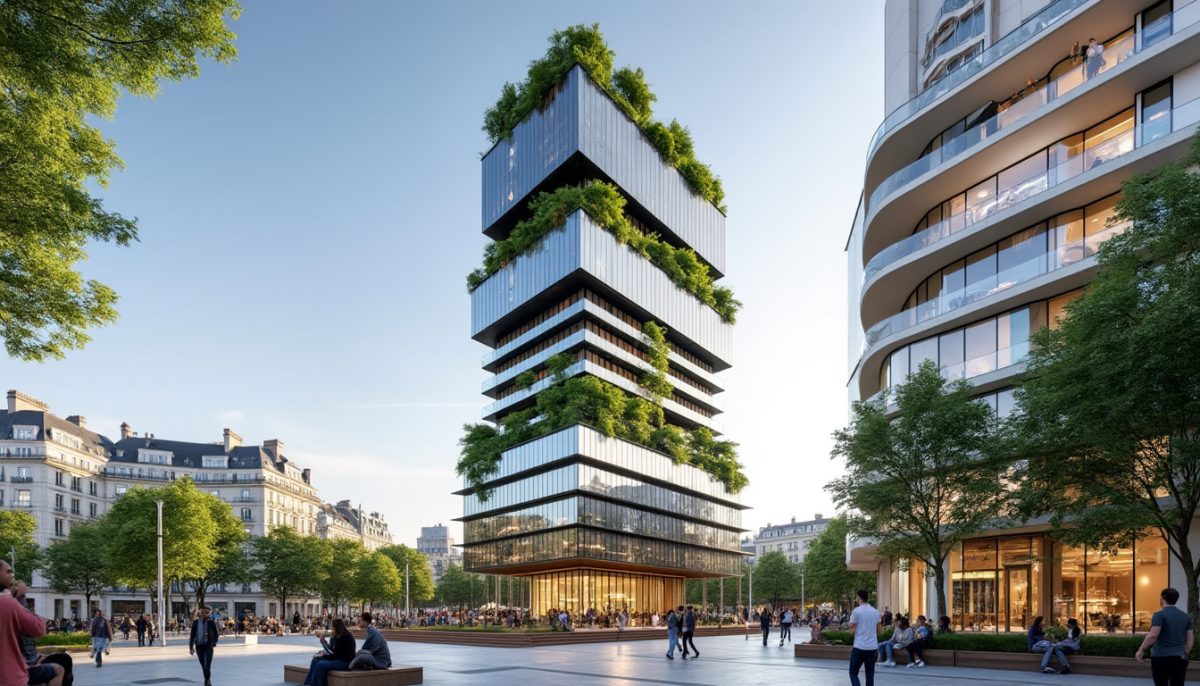
The much-anticipated renovation of Tour Montparnasse aims to breathe new life into this controversial structure, with plans emphasizing sustainability and modern architecture. Valued at approximately €300 million, the project is designed to transform the tower into a symbol of eco-friendliness amid the urban landscape. Expected to incorporate significant greenery, the renovation speaks to the growing demand for green urban spaces, aligning with modern architectural trends. Among the most notable features will be a striking hanging garden that promises to extend across multiple levels of the building.
Elevating the tower by an additional 18 meters, the renovation will also introduce a new glass facade designed to create a sense of transparency and harmony with its surroundings. This approach conveys a desire to break down the monolithic barriers that have long defined the building and associated it with the past. Not only will the tower’s aesthetics change, but the surrounding area will also undergo a transformational facelift through the creation of an open plaza.
Time has proven to be an unexpected ally for the project as delays have allowed for further refinements in the planning phase. Initial designs were critiqued for being overly ambitious, but the developers are now committed to thoughtful updates, including new cafes, hotel space, and cultural venues. As this urban development unfolds, it could shift public perception and transform Tour Montparnasse into a cherished feature of the Paris skyline rather than a cause of disdain.
Integration with Modern Urban Planning Trends
As urban centers worldwide grapple with issues related to overpopulation and climate change, the renovation of Tour Montparnasse aligns with many progressive planning trends aiming to enhance living conditions in densely populated areas. Increasingly, developers and architects prioritize blending nature with urban environments to create spaces that promote well-being. The inclusion of vertical gardens and substantial green areas is more than a superficial enhancement; it’s a testament to how buildings can engage with their environment and support biodiversity.
This renovation could catalyze similar projects across Paris, encouraging other developers to adopt innovative approaches to urban design. The previous failures of stark, harsh structures and the associated negative public sentiment suggests that moving forward, the design will need to resonate with community values and lifestyle aspirations.
The question arises: will the modernization of Tour Montparnasse set a precedent for future architectural endeavors in the city? If successful, it might not only change perceptions of this particular tower but could also redefine urban development strategies moving forward.”
Conclusion of Progress: The Importance of Community Engagement
As the renovation of Tour Montparnasse progresses, community engagement will play an essential role in shaping the future of this iconic yet divisive structure. Public forums, discussions, and consultations will be pivotal in ensuring that the aspirations and concerns of both Parisians and tourists are voiced and integrated into the final design. Involving local voices in decision-making could help mitigate previous critiques associated with the tower’s establishment.
Successful urban development harnesses the sentiments of the community, transforming skyscrapers from mere architectural statements into beloved city landmarks. Engaging with various stakeholders, from local businesses to environmental advocacy groups, ensures that the renovated tower represents a collective vision rather than being thrust upon the public without input.
Looking ahead, as we enter a new era of urbanism characterized by accountability and inclusivity, the story of Tour Montparnasse is still being written. The coming years will be critical in determining whether this ambitious renovation can indeed transform perceptions, redefine architectural boundaries, and resonate positively with both the urban fabric of Paris and the diverse populace it serves.
| Feature | Details |
|---|---|
| Height | 210 meters |
| Completed | 1973 |
| Renovation Cost | €300 million |
| Annual Visitors | 2 million |
| Observation Deck Hours | Daily: 9:30 AM – 10:30 PM |