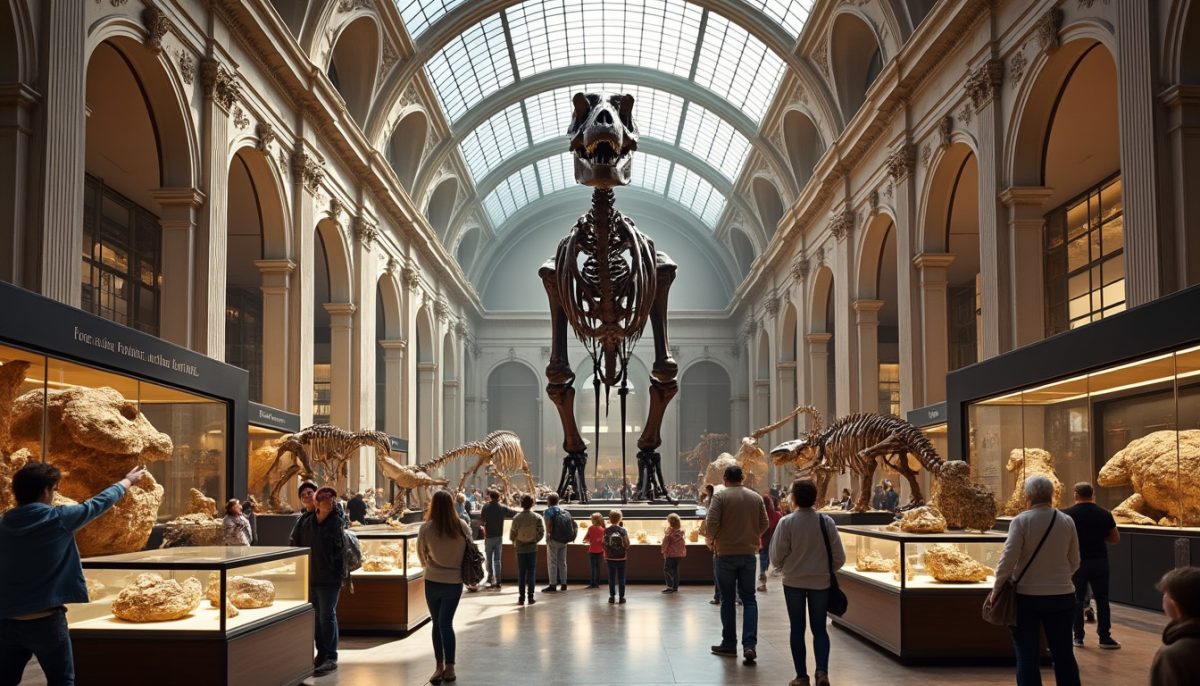
In the heart of Paris, a hidden gem of natural science awaits exploration. The Paris Natural History Museum, or Muséum National d’Histoire Naturelle, isn’t merely a repository of dusty relics but rather a vibrant tapestry of life forms, reflecting the complexity of our planet’s ecosystems and the history of our existence. Situated within the lush Jardin des Plantes, this institution is a dynamic hub where the realms of science and nature collide. Here, visitors can embark on a journey through time, examining everything from the tiniest fossils to the grandest skeletons of extinct creatures. Let’s delve deeper into what makes this museum a must-visit destination, unpacking its rich history, diverse collections, and ongoing exhibitions that captivate the imagination and inspire future generations.
The Rich History of the Paris Natural History Museum
The origins of the Paris Natural History Museum trace back to 1635, when King Louis XIII envisioned a splendid garden dedicated to the cultivation of medicinal plants. This vision laid the foundation for what would become one of the world’s foremost institutions of natural science. As the years progressed, particularly during the tumultuous period of the French Revolution, the garden was transformed into a full-fledged museum, symbolizing a shift towards enlightenment and scientific inquiry.
Throughout the centuries, prominent figures such as Georges Cuvier and Jean-Baptiste Lamarck helped shape the museum’s trajectory. Cuvier, often heralded as the founder of paleontology, significantly contributed to the classification of fossils collected from across France and beyond. Meanwhile, Lamarck’s theories on evolution, though controversial, paved the way for future scientific discussions about the adaptability of life.
Today, the museum thrives with over 2,000 researchers engaged in groundbreaking studies related to climate change, species conservation, and biodiversity. The layers of history woven into the museum’s existence reflect its ongoing commitment to unlocking the secrets of the natural world, making it a unique testament to human curiosity and scholarship.
Main Attractions of the Museum
When navigating through this extensive institution, visitors encounter a plethora of attractions that cater to curiosity of all kinds. The Grande Galerie de l’Évolution stands out as a central highlight. Often referred to as the “Louvre of Natural Sciences,” this gallery reimagines the presentation of animal specimens in an engaging and theatrical manner. Here, the towering skeleton of a whale elegantly glides above lifelike taxidermied animals, creating a dramatic tableau that showcases the rich diversity of terrestrial and marine life. The overarching theme of evolution is palpable, illustrating how species have adapted over time while serving as a poignant reminder of the impact humans have on the environment.
The museum’s extensive collections also include an impressive array of fossils, showcasing the vast history of life on Earth. From ancient trilobites to magnificent dinosaur skeletons, each exhibit tells a compelling story of survival and extinction. Visitors can ponder questions about our own future and the pressing need for conservation efforts in light of the current climate crisis.
Another gem within the museum is the Jardin des Plantes, the botanical garden that forms its backbone. This sprawling oasis not only offers a diverse range of flora but acts as a living laboratory where scientists study plant evolution and conservation techniques. With themed gardens like the alpine and rose gardens, this space invites reflection and wonder amid nature’s beauty.
Special Exhibitions: Science Meets Art
The Paris Natural History Museum is not resting on its laurels; it continually evolves with special exhibitions designed to challenge our understanding of science. For instance, the popular WAX exhibition in 2025 captivated audiences by revealing the fascinating insights behind the creation and ecological importance of beeswax. These thematic exhibitions often delve into niche subjects, yet they manage to engage visitors of all ages and backgrounds.
Beyond mere observation, the museum invests in interactive experiences. Guests can participate in workshops, guided tours, and even nighttime events that transform an ordinary visit into a memorable adventure. For example, virtual reality experiences allow you to walk alongside extinct creatures, offering a glimpse into life millions of years ago.
Moreover, the museum frequently hosts lectures led by experts from various scientific fields. These events provide not just knowledge but also an opportunity for the community to engage in discussions about pressing issues such as biodiversity loss, climate change, and conservation. Each event echoes the museum’s mission to educate and inspire a more informed society.
The Ménagerie: A Historical Zoo within the Museum
One of the oldest zoos in the world, the Ménagerie located within the Jardin des Plantes adds an intriguing chapter to the museum’s story. Established in 1794, long before modern zoos became widespread, this intimate space allows visitors to connect with rare and endangered species in a charmingly historic setting. Here, animals like red pandas and snow leopards reside in enclosures that maintain a sense of the past while focusing on conservation.
The Ménagerie operates on principles of ethical treatment and species preservation. A team of scientists conduct essential research to better understand animal behaviors and genetics, all while educating visitors about the critical state of wildlife conservation today. Instead of the vastness and artificiality prevalent in larger zoos, this smaller setting fosters a deeper connection with nature and a greater appreciation for the stories each animal embodies.
As families stroll through the Ménagerie, they can participate in educational activities that underscore the importance of conservation efforts. The zoo serves as a reminder of our shared responsibility to protect species from extinction, making a visit both enjoyable and meaningful.
Visiting the Nearby Attractions
After immersing yourself in the wonders of the Paris Natural History Museum, why not explore its surrounding area? A short walk will bring you to the stunning Institut du Monde Arabe, renowned for its vibrant exhibitions showcasing the rich history of the Arab world. This architectural marvel offers a perfect contrast to the natural wonders experienced at the museum and provides an insight into the cultural exchange that has shaped our collective heritage.
Additionally, the nearby Jardin des Plantes holds a wealth of botanical delights, providing the perfect spot for tranquility and reflection amidst stunning floral arrangements. Visitors can enjoy a soothing cup of tea at one of the café terraces while absorbing the serene atmosphere, enriching their Parisian experience.
Every corner of this neighborhood captivates the senses, offering diverse experiences that range from culinary delights to artistic exploration. Paris, with its intricate tapestry of history, science, and culture, continues to inspire and engage those who wander its streets.
| Attraction | Description | Location |
|---|---|---|
| Grande Galerie de l’Évolution | A showcase of evolution through taxidermy and fossil displays. | Inside the Paris Natural History Museum |
| Ménagerie | One of the world’s oldest zoos, focused on endangered species. | Jardin des Plantes |
| Institut du Monde Arabe | Offers exhibitions on Arab culture and history. | Near the museum |
| Jardin des Plantes | A botanical garden with themed sections and research facilities. | Adjacent to the museum |