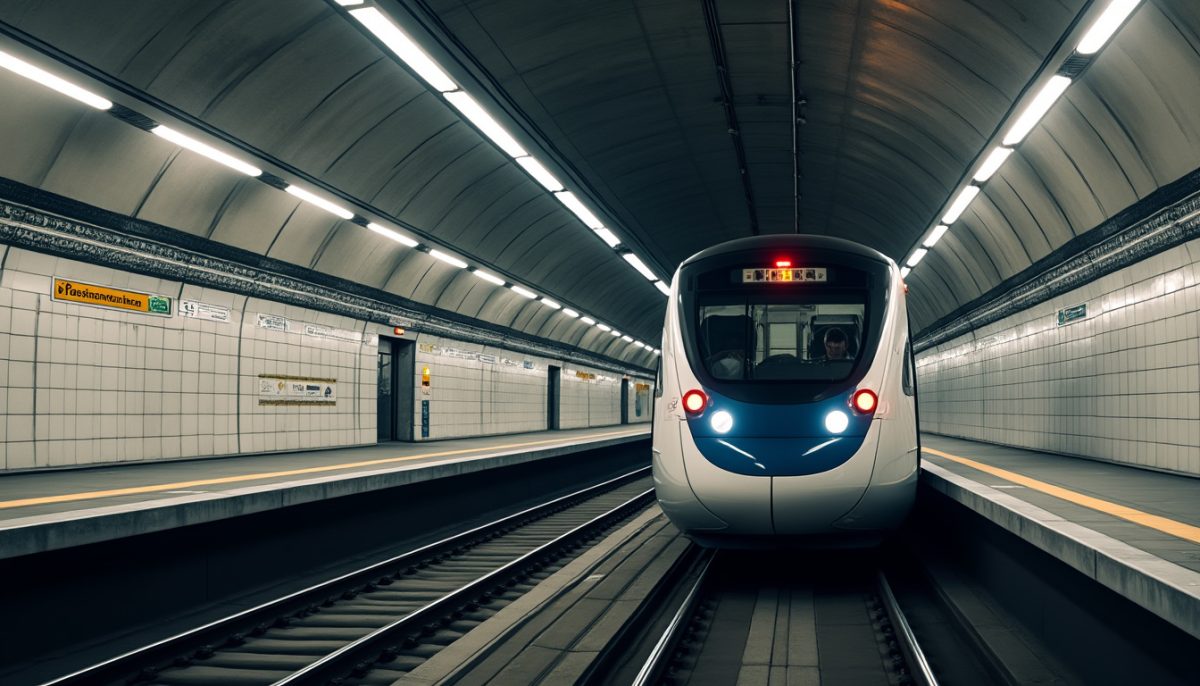
Paris, a city known for its stunning architecture, rich history, and vibrant culture, boasts a complex public transportation network that seamlessly interconnects its various districts and surrounding suburbs. The Réseau Express Régional, or RER, serves as the rapid transit backbone of this network, providing both locals and visitors an efficient means to navigate the city. With its five lines—A through E—this railway system transcends the traditional boundaries of urban travel by linking essential destinations such as Charles de Gaulle Airport, Disneyland Paris, and the historic town of Versailles. The RER is celebrated not only for its speed and convenience but also for its affordability, often costing the same as a typical subway fare.
Imagine traveling from the heart of Paris to the expansive green gardens of the Château de Versailles in less than an hour—this is the promise of the RER. With fewer stops and quicker intervals between them, the RER connects various parts of the Île-de-France region more swiftly than the Metro. For both commuting Parisians and curious tourists, the RER serves as a vital lifeline. Whether planning a day trip to the serene Parc Buttes-Chaumont or a family adventure at the legendary Disneyland, understanding how to navigate this extensive railway network in 2026 can tremendously enhance your experience.
The RER: An Overview of the Parisian Rapid Transit Network
The RER functions as a commuter rail system that integrates with the Paris Metro, enhancing the overall transportation framework of the city. Officially launched in 1969, the RER was designed to alleviate congestion on the Metro and provide faster journeys for those traveling to suburban areas. To this day, it shows its effectiveness as an indispensable component of the city’s public transportation system.
The five RER lines—A, B, C, D, and E—span a vast area, stretching well beyond the city limits. Each line serves distinct passenger needs, with Line A being the most utilized. This line connects the bustling western suburbs like La Défense with the eastern parts of the city, including the famous Marais district. Line B, on the other hand, facilitates travel between the northern suburbs and the city center, serving significant hubs such as Gare du Nord and the French capital’s primary airport, Charles de Gaulle.
Understanding the RER branches is also crucial for effective travel. While the main lines intersect with stops throughout central Paris, they branch out into specific routes in suburban areas, identified by the addition of numbers (for instance, A1, A2, A3 for line A). However, when traveling within the central city, passengers rarely need to worry about these branches. This simplifies city exploration significantly, allowing users to focus on enjoying their journey rather than navigating complex transit choices.
Key RER Stations and Connections
Among the bustling RER stations in Paris, notable names such as Châtelet-Les Halles, Gare de Lyon, and Saint-Michel-Notre-Dame often come up. These stations act as significant transfer points, seamlessly linking commuters to both RER and Metro lines, making connections quick and straightforward. Châtelet-Les Halles, for instance, is frequently hailed as one of the busiest transport hubs globally and serves as a pivotal connection point for various lines.
Moreover, many RER stations are conveniently located near popular tourist attractions, enhancing accessibility. The Charles de Gaulle-Etoile station places travelers just steps away from the iconic Arc de Triomphe, while the Luxembourg RER station offers easy access to the peaceful gardens of the Luxembourg Palace.
For those new to the system, essential knowledge on ticketing and fare zones is vital. Within the central Paris area, RER tickets are interchangeable with Metro tickets, creating a seamless experience for users looking to travel across the city. However, travelers intending to venture outside of Paris will need specific tickets that correspond to their destination, which is a common requirement in the RER system.
How to Use the RER: Tips and Tricks for Seamless Travel
Utilizing the RER can be an incredibly convenient mode of transportation in Paris, especially if you plan a myriad of activities throughout your stay. While it provides unparalleled benefits, a few tips will ensure that you navigate the system without a hitch. Start by familiarizing yourself with the railway’s structure and line maps. Various resources, including maps of the train stations and transit apps, can assist in planning your trips effectively.
An essential aspect to keep in mind is the importance of validating your ticket. Before boarding the train, ensure to tap your ticket at the designated validation points. Failure to do so could lead to unwanted fines during ticket inspections on the train. Once on board, relax as the train will take you swiftly to your desired destination, with announcements indicating upcoming stops.
Understanding peak travel hours is also advantageous. Mornings and evenings typically see a surge in commuter traffic; thus, if your itinerary allows flexibility, consider traveling during off-peak hours. This way, you can avoid overcrowded trains and make for a more comfortable journey.
Safety and Accessibility on the RER
As with any major urban transit system, understanding safety measures is critical when traveling on the RER. Parisians are generally courteous and helpful, yet it’s essential to remain vigilant, especially during busy hours. Keep personal belongings close and be aware of your surroundings. If traveling late at night, prefer well-lit areas of stations and consider buddying up when possible.
The RER is also dedicated to providing accessibility for passengers with mobility restrictions. Most stops are equipped with elevators and ramps, ensuring that everyone can enjoy the convenience of this transit network. Furthermore, staff members at stations are typically accessible and trained to assist passengers as needed.
Exploring Paris Beyond the RER: Connecting Experiences
The advent of the RER has revolutionized urban travel in Paris, opening up a plethora of opportunities for exploration. From the illuminated corridors of the city to historical landmarks just on the outskirts, the RER enhances one’s experience of the vibrant French capital.
Lesser-known treasures often await those who venture beyond the city limits. Places like the scenic Parc Montsouris, the historic Château de Saint-Germain-en-Laye, or the charming town of Giverny, home to Monet’s Gardens, become approachable destinations with the RER at your service. Each journey brings the potential for unique adventures, allowing visitors to escape the vibrant chaos of central Paris while still being only a train ride away.
As you traverse the city’s RER network, several companies offer personalized tours that facilitate exploration beyond the typical tourist spots. With private tours, travelers can delve into the lesser-known specifics of the neighborhoods or visit scenic areas like the Buttes-Chaumont and Parc de la Villette. Websites like Top Paris Private Tours provide excellent resources for tailored experiences throughout your visit.
RER: A Future-Forward Transportation Vision
Looking ahead, the RER system continues to evolve, expanding its influence in the public transportation sector. Future upgrades aim to modernize stations and trains further, contributing to environmentally friendly practices and enhanced passenger comfort. As urban mobility trends evolve, the RER is poised to adapt to technological advancements and shifting commuter needs.
In conjunction with the ongoing developments, initiatives aimed at reducing carbon footprints and encouraging public transit usage emphasize the importance of this transport network in the years to come. With ongoing investments and enhancements, the goal of making the RER an even more inviting option for both locals and tourists remains paramount.
Experiencing Paris through the lens of the RER is to embody the city’s dynamic spirit. With each ride, you immerse yourself more deeply into the heartbeat of Paris, all while enjoying rapid transit that connects you to history, beauty, and culture across the city and beyond.