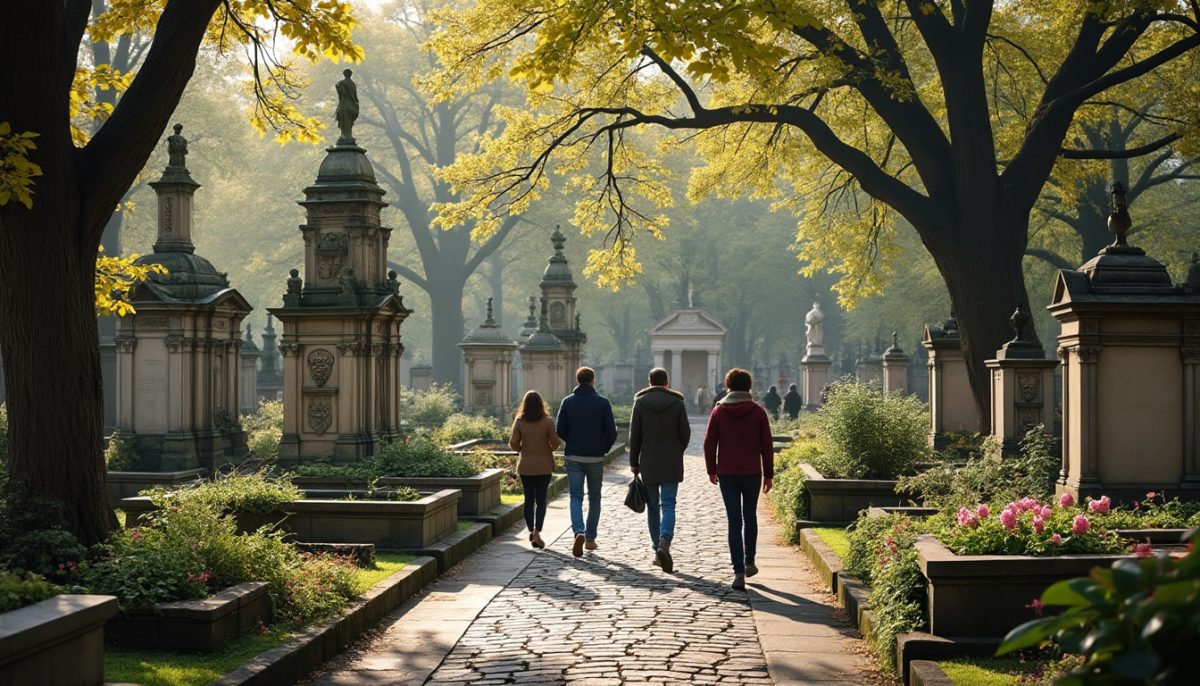
In the heart of Paris lies a haven of history, artistry, and profound stories: Père Lachaise Cemetery. While many may see it as just a final resting place, this remarkable site unfolds layers of cultural heritage and memorials dedicated to some of the most iconic figures in history. With its lush, tree-lined avenues and elaborate tombs, a guided walk through the cemetery offers an intimate glimpse into the lives of those who shaped literature, music, and art. Not only does this walking tour enable visitors to uncover famous graves, but it also reveals lesser-known tales and insights that breathe life into the stillness of the graves. As tourists and locals alike stroll through its serene pathways, they engage deeply with the legacies of renowned personalities and the emotional weight of countless memorials that line the intricate pathways. Each visit is not merely a way to pay respects; it’s an opportunity to appreciate the art and history carved into stone, making every stroll a journey through immortal history.
The Origins of Père Lachaise Cemetery: A Historical Perspective
Père Lachaise Cemetery was established in 1804, at a time when Paris’s existing cemeteries were overflowing, leading to unsanitary conditions. Under the directive of Napoleon Bonaparte, a vision was born to create a burial site that was not only spacious but also rich in cultural and spiritual significance. Initially, the cemetery was located on the outskirts of the city, which raised eyebrows as many considered it too remote. However, a brilliant marketing tactic soon turned the tide: the remains of famed playwright Molière and poet Jean de La Fontaine were transferred here, attracting public interest and ensuring that the cemetery became a prestigious final resting place. This strategic move transformed Père Lachaise into a symbol of literary and artistic inspiration, drawing the likes of major historical figures.
Today, visitors are greeted by an incredible expanse of over 110 acres of lush greenery and architectural marvels. As you meander through the cemetery’s winding lanes, you’re also stepping onto sacred ground where numerous historic monuments tell tales of their own. Each grave is not just a marker but a piece of history engraved into the fabric of the city itself. Many famous graves, such as those of Oscar Wilde and Jim Morrison, are adorned with tokens from admirers, creating a vibrant narrative around the lives these individuals led and the legacy they left behind.
Exploring Famous Graves: Stories of Legendary Figures
One cannot wander through Père Lachaise Cemetery without encountering the graves of some of the most influential figures in both French and global culture. Notably, Oscar Wilde’s grave stands out – a distinctive monument decorated by a winged angel, designed by renowned sculptor Sir Jacob Epstein. When Wilde was buried here in 1900, the stone structure became a focal point for admirers who left countless lipstick kisses in homage to the playwright’s charisma and charm. This unique practice, however, led to significant damage to the monument, prompting officials to install a glass barrier to preserve its integrity while allowing visitors to express their affection.
Another intriguing stop on the walking tour is the grave of Jim Morrison, lead singer of The Doors and a cultural icon of the 1960s. Morrison’s resting place is marked by a minimalist tombstone, but the surrounding area is often adorned with flowers and other memorials left by fans. His controversial lifestyle and untimely demise at just 27 years old have turned his grave into a pilgrimage site for music lovers. While other graves exude a somber stillness, Morrison’s is often rife with the excitement and reverence of youthful fans remembering a legend.
The cemetery’s allure also includes the grave of 20th-century French singer Edith Piaf, often referred to as “La Môme.” Her simple gravestone, read by countless visitors, symbolizes not just her incredible talent but also the bittersweet journey she experienced in life. This juxtaposition of fame and tragedy captures the spirit of many notable figures interred here: lives filled with passion, loss, and ultimately, lasting legacies.
The Art and Architecture: A Museum of Cemetery Art
Père Lachaise Cemetery is often described as a veritable open-air museum, showcasing splendid examples of cemetery art that span over two centuries. Visitors can find a variety of styles, from traditional neoclassical sculptures to modernist installations. The grave markers tell a narrative of their own, resembling pieces of art inspired by Romanticism, Gothic Revival, and even Art Nouveau.
As you stroll through the grounds, different architectural motifs stand out, reflecting the periods they were created in. Ornate wrought-iron gates, sculpture-laden monuments, and intricately carved tombs create a dialogue between past and present. Notably, the heart-wrenching memorial for the victims of the Holocaust serves as a poignant reminder of history’s darkest hours. This somber homage, coupled with individual graves that exhibit exceptional craftsmanship, turns a casual stroll into a profound exploration of art, humanity, and shared memory.
Guided walks help illuminate these details, revealing why certain designs were chosen and the stories they encapsulate. Each tour highlights specific styles and their historical context, enhancing one’s appreciation for the aesthetic value found in the cemetery’s layout and monuments. As visitors learn to recognize and understand the different elements of cemetery art, the experience transcends a typical visit to a graveyard; it becomes a meaningful journey through culture and creativity.
Memorials and Markers: Remembering the Unforgotten
The significance of memorials at Père Lachaise Cemetery extends beyond simply commemorating the famous. Numerous less-publicized graves reflect the broader narrative of history, culture, and even personal tragedies. A thoughtful exploration reveals memorials dedicated to those lost during World War II, including plaques honoring Holocaust victims or monuments representing resistance fighters. These markers serve not only as memorials but also as reminders of the struggle for freedom and human dignity.
Among these emotional tributes lies the grave of Suzon Garrigues, one of the young victims of the 2015 Paris attacks. Her grave is adorned with mementos, reflecting the enduring impact of tragedy on communities and loved ones. Notably, visitors often leave messages, flowers, and photographs to remember not just her life, but also the collective grief of those affected by violence and terror.
These memorials foster discussions about shared loss, resilience, and the human story. Each story reflected upon is a chance to learn and remember, making the walking tour a profound journey into both personal and collective history.
The Experience of a Guided Walk: Insights and Reflections
A guided walk through Père Lachaise Cemetery enriches the visitor experience significantly. Rather than merely walking past gravestones, participants engage with a wealth of information shared by knowledgeable guides. They shed light on the various historical contexts, the artistic significance of each grave, and the intriguing anecdotes that accompany individual lives. This interactive exploration transforms what might be a simple stroll into a dynamic storytelling session, rife with energy and insightful perspectives.
Tourists often recount how they felt a deeper connection to the city and its past, walking through spaces filled with stories that resonate and evoke empathy. The chance to learn about the complexities of each figure allows visitors to reflect on larger social themes—such as identity, legacy, and the notion of memory—embodying the very essence of Paris tourism. The emotional weight and richness of the experiences offered during these walking tours ensure that participants leave not only with knowledge but also with a greater understanding and appreciation of the cultural heritage tied to this historic site.
Walking tours also offer a sense of community among participants, facilitating shared moments of discovery and reflection. As people from diverse backgrounds traverse the grounds, they find common ground in their quest for understanding the historical tapestry that is enveloped in the serene atmosphere of the cemetery. This shared experience builds lasting memories that go far beyond the individual trajectory of sightseeing.
| Famous Figures Buried | Key Contributions | Grave Location |
|---|---|---|
| Oscar Wilde | Playwright and Poet | Division 89 |
| Edith Piaf | Chanson Singer | Division 97 |
| Jim Morrison | Musician | Division 6 |
| Gertrude Stein | Patron of the Arts | Division 42 |
| Victor Noir | Journalist | Division 2 |