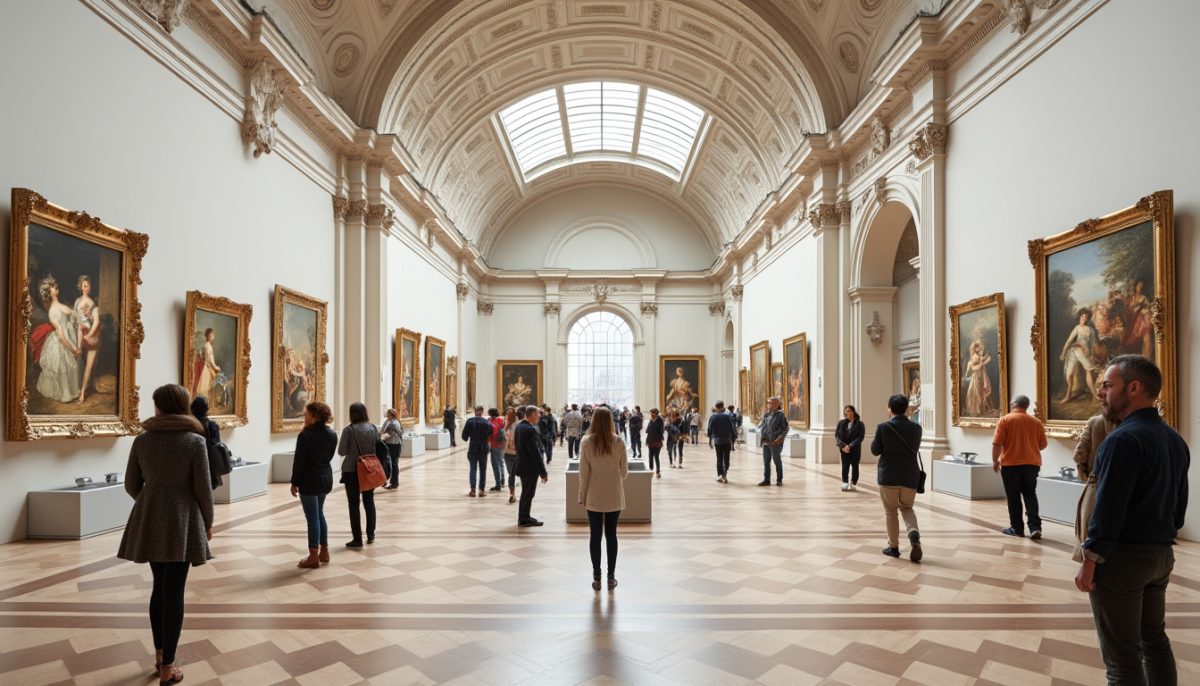
The Horvitz Collection is a significant treasure for art enthusiasts, featuring remarkable pieces from the 18th century that underscore the brilliance of French art. Situated in the heart of Paris at the Petit Palais, this exhibition showcases nearly 200 works, including paintings, sculptures, and rare drawings that have been carefully curated by American collector Jeffrey Horvitz over three decades. The collection is not just an assemblage of artworks; it is a narrative of a vibrant cultural period, offering insights into the artistic movements and the social dynamics of France during this golden age. The exhibition runs from March 21 to July 9, 2017, but its impact lingers, setting a benchmark for future displays of classical paintings.
The thematic organization of the exhibition allows visitors to delve into various artistic categories, ranging from portraits to lively scenes that reveal the social intricacies of the 18th century. Each section provides glimpses into the lives of both the aristocracy and the artists who captured their world. Artists like Jean-Antoine Watteau, François Boucher, and Jean-Honoré Fragonard offer viewers distinctive styles that not only defined their era but also influenced generations of artists to come. The collection stands as a testament to the evolution of art during a transformative period in French history, enriching the cultural fabric of contemporary Paris.
Exploration of Themes in the Horvitz Collection
The Horvitz Collection is meticulously organized into thematic sections that guide the viewer through different aspects of 18th-century art. The opening segment features an array of portraits by renowned artists like Jacques Rigaud and Nicolas de Largilliere, which serve as windows into the personalities that shaped French society. These portraits not only showcase the talents of their creators but also provide a glimpse into the fashion and aesthetics of the aristocracy at the time.
Portraits: Reflection of Society
Portraits in the collection encapsulate the essence of the 18th-century elite. The works by Rigaud and Largilliere capture more than mere likenesses; they express status, prestige, and personality. Delving into the details, one can see how clothing styles, facial expressions, and backgrounds are carefully orchestrated to communicate the identity of the subjects. This is particularly evident in the chilling gaze of Rigaud’s creations, where the subjects appear almost alive with their past. Such works prompt us to reflect on the interplay between the artist’s skill and the societal expectations of beauty during that time.
Landscapes and Daily Life in the 18th Century
The next thematic section focuses on landscapes and daily life, genres that began to flourish during the 1700s. Artists like Watteau and Boucher emerged as leaders in this new direction, choosing to draw inspiration from nature rather than solely from mythology. The landscapes in the collection evoke serene countryside scenes, full of detailed flora, while the depictions of daily life capture the elegance of aristocratic leisure activities.
Influence of Nature on Art
During the early 18th century, a revolutionary respect for nature began to permeate French art. This was a significant shift from the heavily mythological themes that had previously dominated. Artists ventured into nature, sketching scenes directly from the countryside. Watteau’s artworks exemplify this transformation; his affinity for outdoor gatherings—the fêtes galantes—served as a rich backdrop for his intricate portrayals of human interaction amidst nature. Such scenes not only highlight the beauty of the era but also showcase a newfound appreciation for the environment that laid the groundwork for the Impressionist movement.
The Role of Scènes Galantes
Among the many themes presented, the concept of scènes galantes shines distinctly. Watteau is often credited with creating this genre, which focuses on flirtation and romantic endeavors in enchanting settings. The collection’s selection of such scenes reveals an intricate tapestry of emotional expression and artistic finesse, designed to transport viewers into the playful, albeit superficial, world of the 18th-century aristocracy.
Artistic Expression of Love and Harmony
The fêtes galantes originated from Watteau’s desire to portray flirtation in idyllic surroundings. With swirling colors and flowing forms, these artworks evoke a sense of whimsy and enchantment. Artists such as Boucher and Fragonard took inspiration from Watteau’s foundational work, embedding their own interpretations of love and gaiety into their paintings. As one wanders through this section of the exhibition, the interplay of love, nature, and art creates a captivating narrative that invites the audience to reflect on the transient nature of happiness.
The Influence of Key Artists
The masterpieces displayed at the Petit Palais owe much of their allure to the artists who created them. Each brought not only their talent but also their unique perspectives on art and society. Jean-Antoine Watteau, François Boucher, and Jean-Honoré Fragonard all played pivotal roles in shaping the essence of 18th-century French art. Their contributions resonate throughout the Horvitz Collection, presenting a rich legacy that continues to inspire.
Watteau: A Pioneer of Artistic Movements
Watteau’s influence extends beyond 18th-century boundaries; his ability to blend emotion with vibrant settings has left an indelible mark on subsequent artists. The so-called ‘Watteau dress,’ characterized by its flowing fabric and loose pleats, reflects not just fashion of the time but also the thematic intricacies present in his work. His innovative approaches can be seen resonating through the palettes and brush strokes of later movements, particularly Impressionism. Artists like J.M.W. Turner drew upon Watteau’s landscapes, capturing the ephemeral beauty of light and color that Watteau mastered.
Neoclassicism and its Emergence
As the exhibition draws closer to the era of Jacques-Louis David, it encapsulates the transition to Neoclassicism—a pivotal moment in art history. David’s work is characterized by its dramatic compositions and historical gravity, marking a departure from the lighter themes of the earlier 18th century. By featuring works of Neoclassicism, the Horvitz Collection showcases a profound evolution in artistic thought, as artists began to emphasize critical historical narratives and moral lessons.
David: The Architect of a New Artistic Philosophy
Jacques-Louis David, often hailed as the father of Neoclassicism, embodies the ideals of rationality and virtue. His paintings not only reflect the tumultuous political climate of his time but also serve as definitive statements regarding societal values. The meticulous composition and classical references in David’s works embody a rigorous adherence to the principles of Enlightenment thought, suggesting that art could serve both aesthetic and ethical purposes. This transition from the ornate luxury of the Rococo to the moral seriousness of Neoclassicism indicates a broader cultural shift, fundamentally altering the trajectory of Western art.
| Artist | Major Work | Artistic Contribution |
|---|---|---|
| Jean-Antoine Watteau | Pilgrimage to Cythera | Creator of scènes galantes; influenced future artistic movements |
| François Boucher | Madame de Pompadour | Master of Rococo; known for his portrayal of mythology and intimacy |
| Jean-Honoré Fragonard | The Swing | Embodied frivolity and desire; known for his playful approach to love |
| Jacques-Louis David | The Death of Socrates | Father of Neoclassicism; combined historical narrative with moral lessons |