The Rodin Museum in Paris stands as a serene sanctuary, a testament to one of the most profound artists in history, Auguste Rodin. Nestled within the remarkable Hôtel Biron, this museum is not just a collection of sculptures, but a journey through the life and mind of Rodin himself. From the iconic The Thinker to the delicate intricacies of The Kiss, each piece resonates with a story, an impulse, a moment of creativity that continues to inspire both laymen and art aficionados. As we meander through its grounds, we find ourselves enveloped in a vision where nature and art blend seamlessly, inviting contemplation and discovery. This article invites you to explore the many facets of the Rodin Museum, unveiling not only its most celebrated works but also the profound significance of Rodin’s art in the context of French art and beyond.
Unveiling the Rodin Museum: A Historical Perspective
From its inception, the Rodin Museum has been a labor of love, born from the dedication of a man who transcended the traditional boundaries of sculpture. Opened in 1919, only a short while after Rodin’s passing, the museum was realized due to his decree that his entire estate be entrusted to the French government on the condition that it house his works. The stunning Hôtel Biron, which dates back to the 18th century, became the perfect backdrop for showcasing the masterpieces. It was in these very halls that Rodin lived and worked, nurturing a deep connection between artist and space.
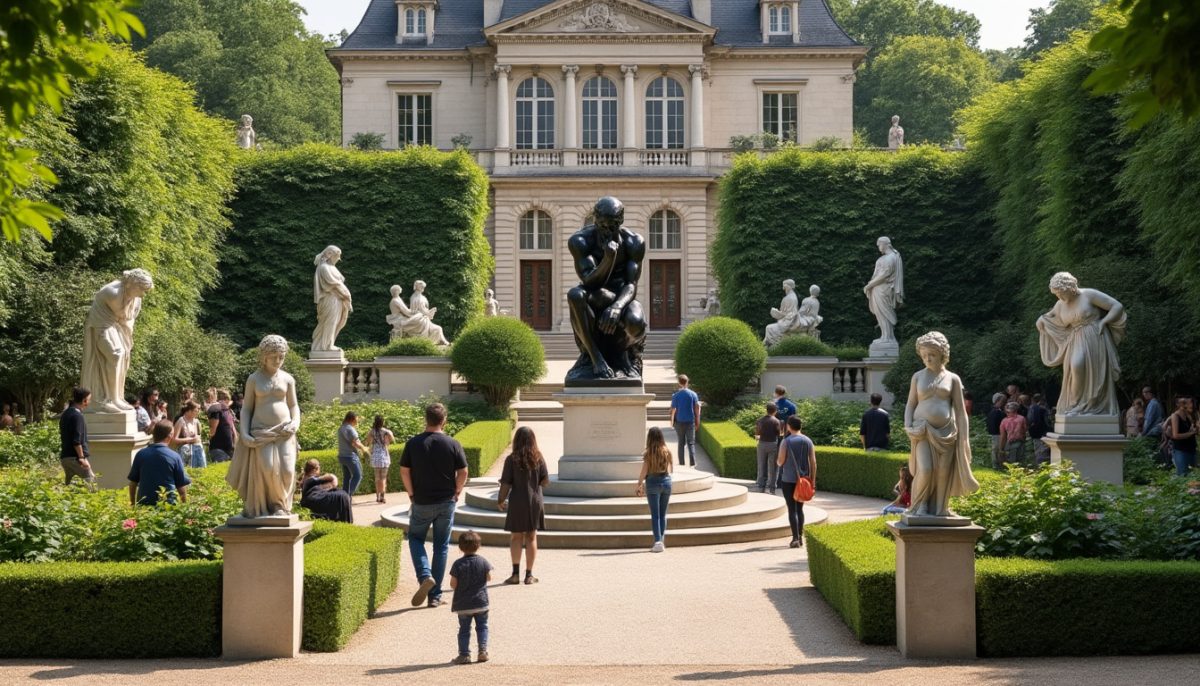
This historic mansion, enveloped by seven acres of sculptural gardens, offers a rich context for understanding Rodin’s vision. Visitors are encouraged to wander through lush lawns and rose gardens, observing the bronze sculptures that dot the landscape. Pieces like The Burghers of Calais come alive amid the greenery, often eliciting emotional reactions as one contemplates the themes of sacrifice and heroism encapsulated in these figures.
In 2015, a substantial renovation enhanced the museum’s appeal, breathing new life into the historic building. The walls were adorned with a calming palette, specifically curated to highlight Rodin’s works. This thoughtful redesign has allowed the museum to present not only its famous sculptures but also a respectable number of paintings and antiques from Rodin’s personal collection, offering a more intimate glimpse into the life of the artist. The balance between modern enhancements and historical integrity creates an engaging visitor experience.
The Signature Works of Auguste Rodin
Rodin’s body of work is both diverse and profound, revealing a deep exploration of the human condition through sculpture. Each of his notable pieces serves as a portal to understanding his artistic philosophy and the emotional depth inherent in his creations. Among these, The Thinker remains the most iconic figure, symbolizing the act of reflection and the weight of existence. Originally conceived as part of a larger work, The Gates of Hell, this sculpture encapsulates the essence of tortured thought and contemplation.
Within the museum’s collection, The Kiss stands as a testament to Rodin’s prowess in rendering human intimacy. The sculpture captures a fleeting moment between lovers, showcasing his ability to translate raw emotion into physical form. The delicacy of the figures juxtaposed with the solid materiality of marble results in an unforgettable visual experience.
Furthermore, The Gates of Hell represents perhaps his most ambitious project, illustrating numerous figures from Dante’s Inferno. This extensive collection of sculptures intertwines stories of love, despair, and humanity, providing viewers with a layered narrative that invites contemplation. The ambition of the work is underscored by Rodin’s meticulous attention to detail, making it a focal point of the museum exploration.
Throughout the entirety of the Rodin Museum, visitors may also encounter works directly inspired by his tumultuous relationship with the sculptress Camille Claudel. This artistic bond produced intricate pieces that reflect the intricacies of love and rivalry, adding further depth to the museum experience. The collection of Claudel’s works housed within the museum creates a dialogue between these two talented artists, revealing not only their shared passions but also the ways in which love influenced their creativity.
The Sculpture Garden: Nature and Art in Harmony
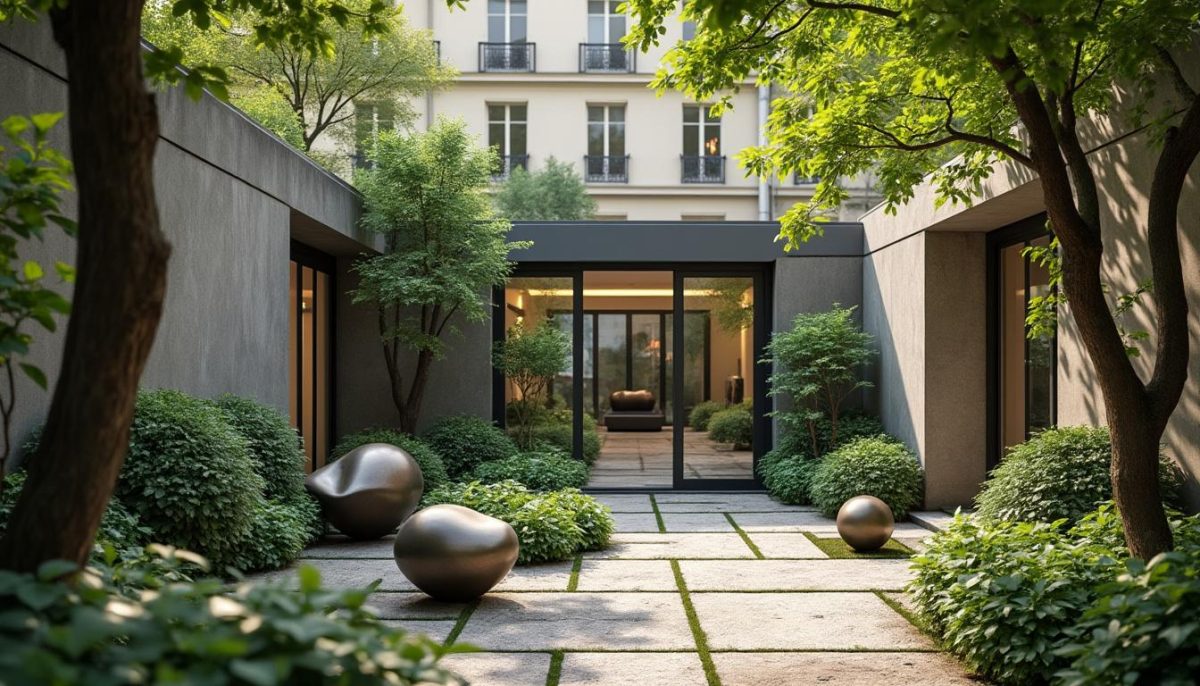
One of the principal charms of the Rodin Museum is undoubtedly its magnificent sculpture garden. This outdoor space offers visitors a chance to engage with art in a uniquely vibrant landscape. With well-maintained pathways winding through blooming gardens, the museum transforms into a serene retreat from the bustling streets of Paris. As one strolls along, it becomes evident that each sculpture was thoughtfully positioned to create dialogue with its surroundings.
The garden features thirty additional bronzes, each telling a story. Many, like The Burghers of Calais, encourage viewers to explore themes of heroism and sacrifice in contexts that resonate beyond the boundaries of the artistic world. As the seasons change, so does the palette of the garden, inviting repeat visits to appreciate the evolving scenery. This makes the audience’s experience at the museum not only about the sculptures but also about their symbiotic relationship with nature.
Moreover, the careful selection of plant life surrounding the sculptures enhances their aesthetic appeal. Each rose and tree is curated to complement the beauty and intention of Rodin’s art. The tranquil ambiance allows for reflection and admiration, making it an ideal space for creative inspiration and relaxation. Observing the sculptures shaded by leafy boughs or illuminated by soft sunlight adds a dynamic layer to the museum experience, appealing to diverse senses.
Practical Visitor Information for the Rodin Museum
Visiting the Rodin Museum requires planning to fully appreciate the array of artistic treasures within. Conveniently located in the 7th arrondissement, it is easily accessible from various parts of the city. The museum is open Tuesday through Sunday, generally from 10:00 AM to 6:30 PM, offering visitors ample time to immerse themselves in the exhibits.
To enhance the museum exploration, guided tours are highly recommended for those eager to delve deeper into the stories behind the pieces. Knowledgeable guides bring a wealth of history to the experience, offering insights into both Rodin’s life and the significance of his work in the landscape of French art. These tours contribute to a more enriched understanding of the artworks and the context in which they were created.
| Day | Opening Hours | Guided Tour Availability |
|---|---|---|
| Tuesday | 10:00 AM – 6:30 PM | Yes |
| Wednesday | 10:00 AM – 6:30 PM | Yes |
| Thursday | 10:00 AM – 6:30 PM | Yes |
| Friday | 10:00 AM – 6:30 PM | Yes |
| Saturday | 10:00 AM – 6:30 PM | Yes |
| Sunday | 10:00 AM – 6:30 PM | Yes |
Finally, purchasing tickets in advance is advisable, especially during peak tourist seasons, to avoid long queues. Moreover, a garden-only ticket option allows visitors to appreciate the beautiful surroundings without venturing into the interior, catering to different preferences. The Rodin Museum promises an enchanting experience, balancing art, history, and the natural beauty that Paris offers so abundantly.
Conclusion: The Emotional Journey Through Rodin’s Legacy
Visiting the Rodin Museum is more than an ordinary art experience; it’s a profound emotional journey that allows visitors to connect with the essence of art and humanity. Each sculpture invites contemplation, offering insights into the complexities of life, love, and existence itself. As you walk through the gardens and galleries, take a moment to absorb the weight of each piece, recognizing that they encapsulate moments of inspiration and creativity, echoing through time.