Indulging in the flavors of a Parisian bistro can transport you to the charming streets of France without leaving your kitchen. One of the quintessential dishes that embodies this experience is Sole Meunière. With its delicate balance of flavors and textures, this classic French recipe highlights the simplicity and elegance that defines French cuisine. The magic lies in the preparation and the key ingredients that come together to create this gastronomic delight.
At its core, Sole Meunière is a straightforward dish made with fresh fish and a rich, nutty butter sauce. The technique behind the recipe is where the artistry comes into play. The challenge of achieving the perfect golden brown butter while not burning it is what separates a good dish from a great one. This dish is not just about the ingredients; it transcends into the realm of experience, evoking the feel of dining in a cozy bistro nestled along the Seine or in the bustling quarters of Montmartre.
Whether you’re preparing a romantic dinner for two or a gathering of friends, mastering this dish allows you to share a taste of Paris right at your table. In this guide, we’ll delve deeper into making Sole Meunière, exploring everything from preparing the ingredients to plating the dish for a stunning presentation.
Understanding the Essence of Sole Meunière
Sole Meunière, which translates to “in the style of the miller’s wife,” draws on the traditional methods of preparing fish. The dish typically features fresh fish, in this case, sole, which is known for its delicate flavor and tender meat. The origins of this recipe are deeply rooted in French culinary history, often regarded as one of the simplest yet most elegant seafood recipes. Its appeal lies in the balance of freshness, simplicity, and the transformative magic of butter sauce.
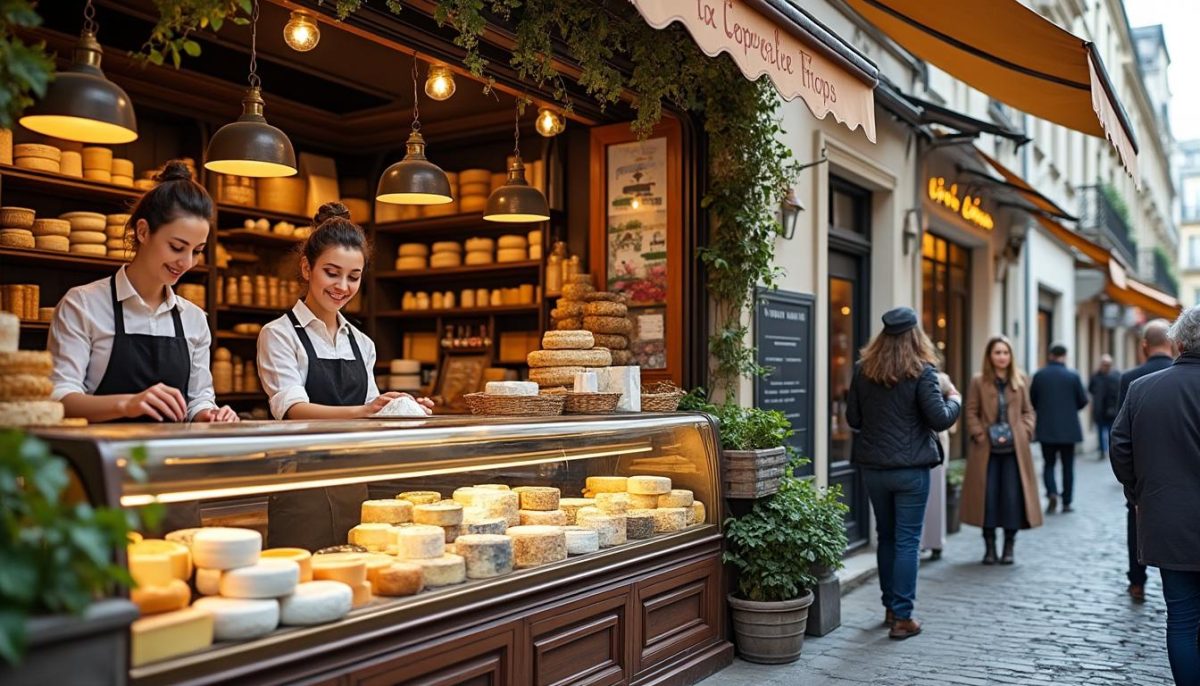
When preparing Sole Meunière, the quality of the fish plays a pivotal role. Ideally, the sole should be fresh, with a firm texture and a mild, sweet flavor. In Paris, local markets often showcase a variety of fresh fish, the air fragrant with the scent of the sea. However, sourcing good-quality fish is not limited to Paris; many seafood markets and grocery stores worldwide cater to this need.
Cooking Techniques that Matter
The key to mastering Sole Meunière lies in a few essential cooking techniques. First and foremost is controlling the heat. The butter must heat slowly, transforming from a pale yellow to a rich nutty brown. This fleeting window is crucial; burn it, and the sauce turns bitter, undercook it, and it loses its flavor entirely. Attention and patience while monitoring the cooking process are vital. The aroma that fills the kitchen when the butter reaches that perfect hue is unmatched.
To assist in making this dish, using a heavy-bottomed skillet is recommended. The design of the skillet ensures even heating, which prevents the butter from burning and helps achieve that beautiful golden-crisp exterior on the sole. An adequately sized pan allows the filet to be cooked as a whole, maintaining its integrity instead of turning it into chunks.
Once the sole is introduced to the pan, the excitement of watching it transform begins. As the edges of the fish turn golden, it’s essential to have a delicate touch when flipping it. A spatula works well, but finesse is required to avoid breaking the filet apart.
The Essential Ingredients: Beyond Fish
Apart from the star ingredient—sole—the recipe also calls for a few key components. A generous amount of butter is the backbone of this dish, submerging the fish in a rich sauce that enhances its natural flavor. The choice of butter can elevate the dish; a high-quality unsalted butter is preferred for better control over the seasoning.
For a beautiful crust on the fish, a light dredging of flour is essential. Mixing sea salt and pepper into the flour enhances the flavor of the fish while providing that sought-after crunch. The use of lemon, a common element in many French dishes, adds a refreshing zing that complements the richness of the brown butter sauce beautifully.
Plating and Serving Your Dish
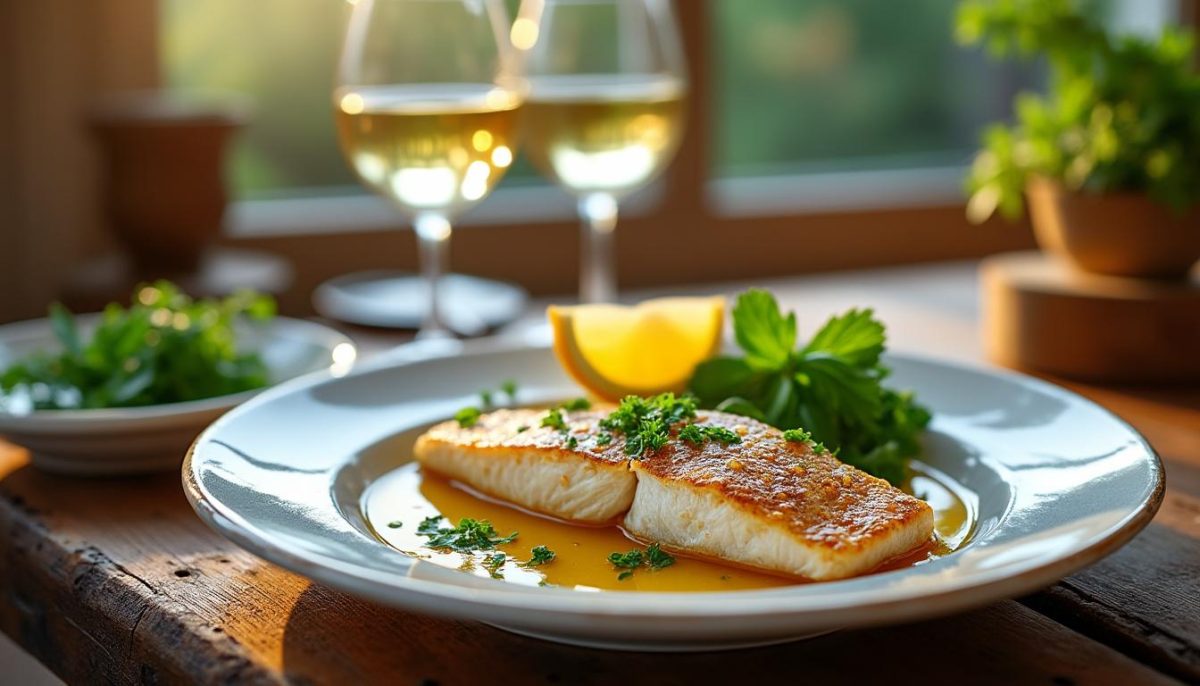
The way you serve Sole Meunière is just as important as the cooking process. Traditionally, the dish is placed on a warm plate, drizzled with the rich, nutty butter sauce, and garnished with finely chopped parsley for a pop of color. A lemon wedge adds a final touch, inviting diners to partake in the delightful tang it offers. Accompanying the dish with a side of creamy mashed potatoes or sautéed mushrooms can fill out the plate while taking the dish to a new level of indulgence.
The visual appeal of the dish, combined with its rich flavors, makes for a dining experience that’s both comforting and sophisticated. Memories of sharing this meal with loved ones linger as the flavors of Paris gracefully dance on the palate.
Exploring Variations of the Classic Recipe
While traditional Sole Meunière adheres to its classic roots, there are numerous variations to explore. Some chefs may incorporate additional herbs, such as tarragon or thyme, to provide an aromatic twist. Others might include capers for a touch of zest. Each innovation shows how versatile this classic dish can be, adapting to different tastes while staying true to its essence.
The composition of sides served with Sole Meunière can also reflect personal preferences. For those seeking a lighter approach, consider fresh steamed vegetables, which can provide a crisp contrast to the rich sauce. Alternatively, a simple green salad dressed with a lemon vinaigrette can balance the richness of the fish.
Experimenting with different sides and accompaniments can transform the dish from a classic recipe into your family signature dish. The heart of cooking lies in creating personal connections with what you cook, allowing for memories to be made over shared meals.
From Market to Table: Engaging in Home Cooking
The beauty of preparing Sole Meunière lies not just in the final dish but also in the entire experience of home cooking. Sourcing fresh ingredients from local markets connects one to the community and encourages an appreciation for quality produce. In places like Paris, markets are bustling with vendors eager to share their freshest offerings, from fish to greens and artisanal products.
Engaging in the art of cooking at home fosters creativity. As you step into your kitchen and combine ingredients, you become a part of a culinary tradition that spans generations. Each meal allows for exploration and discovery, linking various cultures and techniques together. For those who are new to cooking, replications of chef-led tutorials or recipes can serve as educational pathways to developing your skills.
Sharing these culinary experiences with family and friends elevates the act of cooking to a collective celebration of food, culture, and connection. One can create memories through the joy of cooking and the delight experienced at the dining table. Hosting a dinner featuring Sole Meunière can spark conversations and laughter, making every moment in the kitchen a cherished one.
| Ingredient | Function |
|---|---|
| Sole fillets | Main ingredient, offers delicate flavor |
| Butter | Creates rich sauce, crucial for browning |
| Flour | Provides a crust on the fish |
| Lemon | Adds acidity, enhances flavors |
| Parsley | Garnish, adds color and freshness |