The Eiffel Tower stands as one of the most recognizable landmarks in the world, an emblem of Paris that captivates millions of visitors each year. Originally constructed for the 1889 Exposition Universelle, this iron lattice masterpiece has undergone numerous interpretations through art, photography, and cultural narratives over the decades. The unique perspectives of the Eiffel Tower are often underscored by its breathtaking architectural design, which interacts with the light and atmosphere of the city. This article aims to explore various viewpoints that shed new light on this iconic structure, providing fresh insights for both tourists and locals alike.
Historical Significance of the Eiffel Tower
The Eiffel Tower, named after its engineer Gustave Eiffel, was designed for the 1889 World’s Fair. It aimed to demonstrate France’s industrial prowess and modernity. Over the years, this structure has become not just a symbol of French culture but also a testament to the innovative spirit of the 19th century. The intricate ironwork and engineering ingenuity challenged the norms of traditional architecture and paved the way for modern design.
Initially met with skepticism, the tower’s fate took a turn as it became a central figure in international tourism. By 1889, it stood as the tallest man-made structure in the world. More than just a tall building, it evolved into a critical site for observations, experiments, and even as a communication tower during World War I. This rich history interweaves with the narrative of Paris itself, as the tower has witnessed the city’s transformation through wars, celebrations, and societal shifts.
What makes the Eiffel Tower even more captivating are the stories associated with it. For instance, its role during the Nazi occupation of Paris is both haunting and poignant. Gustave Eiffel’s vision, originally intended as a symbol of peace and technological advancement, became a silent observer to history’s darker chapters. Yet, it also served as a beacon of hope, a reminder of resilience and the indomitable spirit of the French people. Exploring these unique perspectives on the Eiffel Tower is essential in truly appreciating its significance beyond mere tourist attraction.
Cultural Impact and Artistic Interpretations
Art has long played a pivotal role in shaping the public’s perception of the Eiffel Tower. From the unique concepts illustrated by artists like Katsushika Hokusai, who produced his renowned series, “Thirty-six Views of Mount Fuji”, the Eiffel Tower has been portrayed in myriad ways. Hokusai’s influence on Impressionist painters such as Monet and Manet showcases how art can alter the narrative of a place. In doing so, these works emphasize the emotional and aesthetic resonance of the tower.
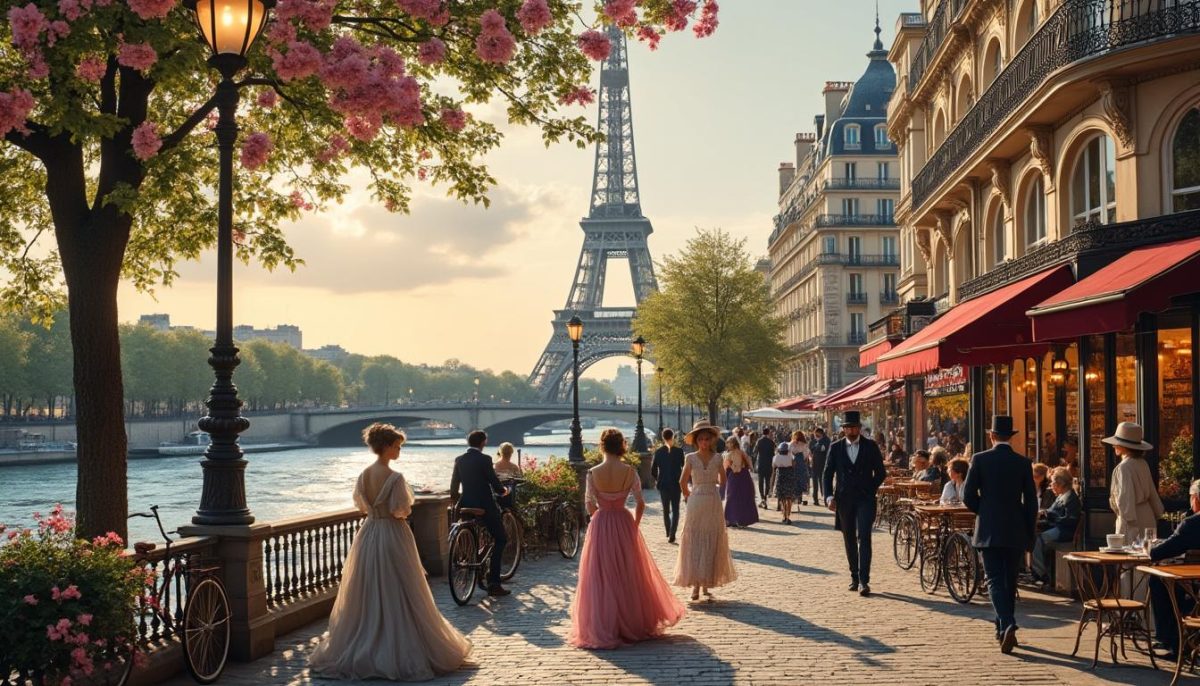
The interplay of light and shadow on the tower’s iron frame has inspired countless photographers. This city’s ambiance captures spectacular moments, such as the golden hues at sunset or the urban chaos at night, collaborating with the moving clouds. For instance, many photographers indulge in capturing the Eiffel Tower from unexpected angles, such as the boat rides on the Seine or from the streets of Montmartre. Each perspective provides unique insights that enrich the broader dialogue surrounding Parisian culture.
Photography exhibitions, often held in various galleries throughout the city, accentuate these unique perspectives. This form of art showcases the tower not merely as an object but as a canvas, inspiring viewers to engage in the emotional and social realities of contemporary Paris. For aspiring photographers visiting the city, exploring less-traveled spots such as Rue Edmond Valentin can reveal stunning and quieter views of the tower, merging the beauty of its structure with the intricacies of modern Parisian life.
Photography Techniques for Capturing the Eiffel Tower
Capturing the Eiffel Tower requires more than just a camera; it demands an understanding of light, composition, and perspective. As a photography hub, Paris is a playground for both professional and novice photographers, particularly in how they depict this iconic structure. An effective technique is to utilize the golden hour—shortly after sunrise or before sunset—when the natural light lends a warm glow to the tower, enhancing its features.
Using a low angle to shoot up towards the tower can create a sense of grandeur. This perspective can be further enhanced by incorporating elements of the surrounding landscape, such as tree branches, nearby cafes, or bustling street scenes. Further, experimenting with different lenses will allow photographers to achieve varying depths of field, focusing closely on intricate architectural details or capturing expansive scenes that contextualize the tower’s scale within the city.
Another innovative approach involves architectural photography techniques, which can highlight the tower’s structural lines and patterns. By placing emphasis on symmetry or leading lines in the composition, photographers can draw attention to the meticulous craftsmanship of this masterpiece. Additionally, creative use of reflections in puddles or nearby buildings can add layers to the images, inviting viewers to see the structure from multifaceted viewpoints.
| Photography Technique | Description |
|---|---|
| Golden Hour Shooting | Capturing images shortly after sunrise or before sunset for optimal lighting. |
| Low Angle Perspective | Shooting from below to emphasize height and grandeur. |
| Architectural Details | Highlighting structural elements and patterns for artistic impact. |
| Reflections | Utilizing reflections to add depth and context to images. |
Insider Tips for Visiting the Eiffel Tower
To truly embrace the essence of the Eiffel Tower, it helps to have insider knowledge that can enhance the visiting experience. One advantageous time to visit is during weekday mornings, when the tourist crowds are comparatively smaller. This allows for unhurried exploration and better photo opportunities without the hustle and bustle.
While many flock to the first and second floors for panoramic views, the summit offers a unique vantage point, albeit at a price of additional fees. From this height, not only does the city unfold beneath you, but the views extend to the outskirts of Paris, revealing a breathtaking expanse often overlooked. Additionally, consider dining at one of the restaurants on-site, which combine fine cuisine with spectacular views—a true Parisian experience.
Moreover, visitors can capture unique moments by participating in free walking tours offered in various languages. These tours often highlight lesser-known historical anecdotes and personal stories connected to the tower. Engaging with a knowledgeable guide can provide a richer understanding of the site’s historical and cultural frameworks, deepening the visitor’s appreciation for this architectural gem.
Unique Views from Lesser-Known Locations
While many visitors gravitate towards the classic viewpoints, numerous hidden gems in Paris offer equally stunning views of the Eiffel Tower. For instance, the area around Île aux Cygnes provides an intimate perspective, with the tower framed beautifully among the lush surroundings and tranquil waters of the Seine. This lesser-known spot allows for calm photography opportunities, where the beauty of nature complements the architectural wonder.
Another hidden treasure is the Carrousel de la Tour Eiffel, a quaint carousel located near the base of the tower. From this angle, visitors can capture the charm of the structure, adding an element of playfulness to their photographs. Additionally, the open-air terraces at the Palais de Chaillot on the opposite side of the Seine offer an incredible backdrop for panoramic shots, especially during sunset.
Exploring the neighborhoods of Montmartre further presents myriad photography opportunities. The picturesque streets, cobblestones, and staircases create a romantic atmosphere. Positioning oneself at the top of the Sacré-Cœur Basilica allows for sweeping views of the Eiffel Tower, infused with the city’s eclectic character. Each of these locations provides a unique context, encouraging visitors to discover the multilayered narratives intertwined with this cherished landmark.