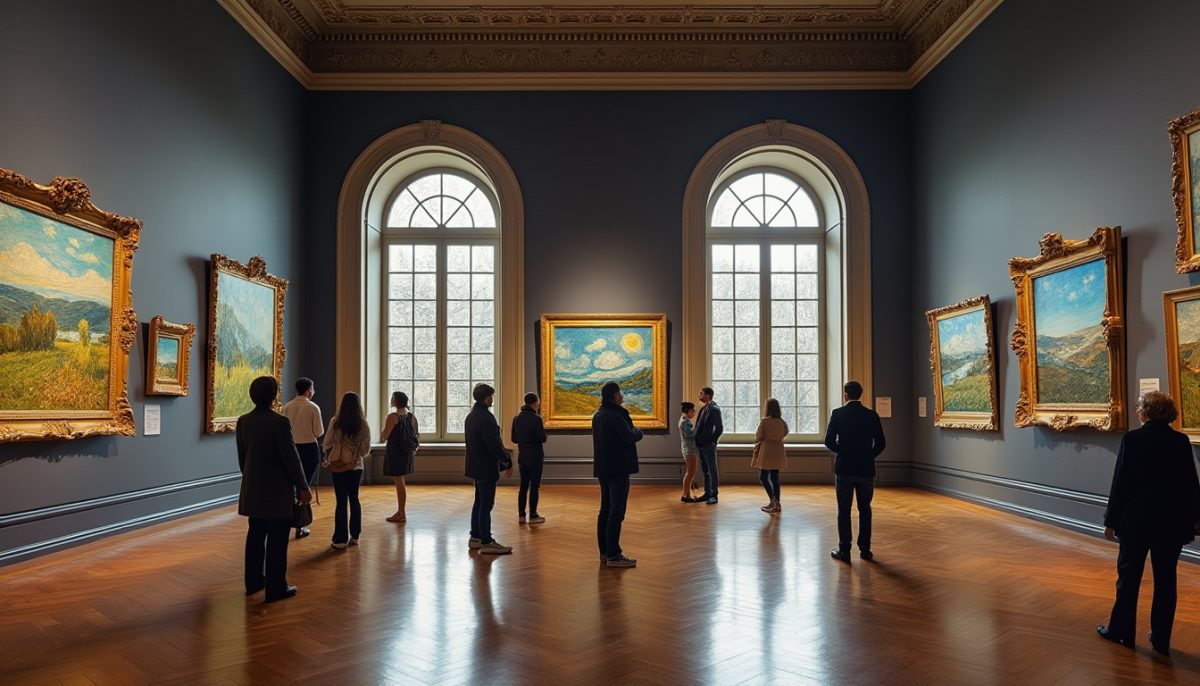
At the heart of Paris, the Musée d’Orsay stands as a testament to the legacy of Impressionism and Post-Impressionism, showcasing a brilliant array of artworks, notably those of Vincent Van Gogh. As the museum continues to evolve, its collection remains a pilgrimage site for art lovers, particularly for those captivated by Van Gogh’s emotional intensity and innovative brushwork. With over twenty-seven of his works on display, visitors can embark on a remarkable journey through the artist’s turbulent yet transformative career. Each masterpiece, infused with personal narrative and vibrant color, offers unique insights into Van Gogh’s world.
Van Gogh painted with fervor and purpose, creating pieces that reflect his innermost struggles and triumphs. In this article, we delve into ten essential works that embody his artistic genius, each found within the galleries of the Musée d’Orsay. From the romantic glow of “Starry Night Over the Rhône” to the introspective depths of “Self-Portrait with Bandaged Ear,” these works encapsulate the profound emotional landscape Van Gogh explored through his artistry. As we explore these masterpieces, we invite you to uncover the stories behind the brushstrokes and the passion that brings each canvas to life.
Van Gogh’s Starry Night Over the Rhône: A Glimpse into His Soul
Painted in 1888, “Starry Night Over the Rhône” reflects Van Gogh’s enchantment with the night sky, which he believed was imbued with hope. When he worked in Arles, he often found solace by the riverside, capturing the interplay of gaslight and starlight. This painting is distinguished by its dramatic contrast of deep blues and vibrant yellows, creating a mesmerizing reflection on water. The composition includes two small figures, grounding the scene in human emotion while elevating the ethereal beauty of the cosmos.
The painting prefigures his later, more famous “Starry Night,” yet it remains a compelling work in its own right. Van Gogh wrote to his brother Theo, expressing the desire to convey hope through stars, illuminating how the celestial bodies were not mere landscapes but emotional elements drawn from his life. This masterpiece demonstrates how Van Gogh’s experiences shaped his artistic vision, molding the perception of the night as a haven rather than a source of fear. The glowing stars signify not only brightness in the dark but also his yearning for solace. His artistic journey is tactfully encapsulated in this single moment, an eternal reminder of the light he sought amid his personal struggles.
Self Portrait with Bandaged Ear: The Artist’s Reflection
In another defining piece, “Self-Portrait with Bandaged Ear” (1889), Van Gogh turns inward. The painting serves as an intimate reflection of his mental state and turbulent emotions. Following the infamous incident with fellow artist Paul Gauguin, where he severed part of his ear in a fit of despair, this self-portrait encapsulates both vulnerability and resilience. The palette transitions to cooler tones, a noticeable departure from the zest of his earlier works.
In this poignant image, intricately worked brushstrokes reveal not only the details of his face but also the inner turmoil he faced. The confident yet distant gaze captures a depth of feeling that resonates with anyone who has ever felt alone amidst chaos. The tight brush work across the background contrasts with the more subdued expression of Van Gogh himself, allowing the viewer to ponder the disconnection he felt from his reality. Additionally, this self-portrait serves as a reminder of the price of artistic brilliance, reflecting the struggles often hidden beneath layers of paint.
Exploring Van Gogh’s Transformation Through “Portrait of the Artist”
Another compelling work is “Portrait of the Artist” (1887), in which Van Gogh presented himself not just as the creator but as a subject of his own scrutiny. He embarked on an extensive series of self-portraits during this period, utilizing mirrors for reference. The result is a representation that defined how he wanted to be perceived. The self-portrait denotes a significant evolution in both technique and emotional resonance.
Notably, Van Gogh’s brushwork in this piece exhibits a newly found confidence. The vibrant colors and dynamic lines highlight the spirit of an artist in the throes of self-discovery. The depiction of his unique facial features creates a striking image marked by both introspection and self-affirmation. Here lies a man grappling with external judgment while striving to remain true to himself, the canvas echoing his internal conflicts. Observers can feel the weight of his dreams and ambitions—a juxtaposition of artistry and the burden of expectation, all within a single frame.
La Méridienne: The View from the Asylum
During a period of confinement at the asylum in Saint-Rémy, Van Gogh produced “La Méridienne” (1889), a quietly powerful work that illustrates his connection to nature. Despite his restricted environment, he continued to channel his artistic vision into his surroundings, often reflecting his appreciation for pastoral scenes. This painting draws inspiration from Jean-François Millet’s “Noonday Rest,” transformed through Van Gogh’s unique lens, emphasizing compelling color contrasts and emotional depth.
In this work, the serene figure rests against the backdrop of vibrant hues, embodying tranquility amid chaos. The depiction of simple labor elevated through the artist’s vivid palette signifies his ability to find beauty in the mundane. The push-pull of color draws the viewer’s eye, creating an immersive experience that resonates with the stillness of the moment captured on canvas. La Méridienne reveals how Van Gogh’s art transcended personal strife, emerging as a powerful commentary on the human condition, linking themes of toil, rest, and the passage of time.
Van Gogh’s Bedroom: A Haven of Serenity
“Van Gogh’s Bedroom in Arles” (1888) invites the observer into an intimate space that the artist regarded as his sanctuary during tumultuous times. The work underscores his exploration of color and form over strict realism, resulting in a unique visual language. The painting conveys warmth and a sense of belonging, an antidote to the chaos of his life.
The vibrant, almost exaggerated colors create a feeling of stability and reflection. The three versions of this piece each tell a story of comfort and personal significance within Van Gogh’s life. The simplification of space, along with bold outlines, coalesce into a visual experience akin to stepping into Van Gogh’s mind. It symbolizes his desire to create a haven amid uncertainty—a place where he could find solace in the act of creation. Through this painting, the viewer gains insight into Van Gogh’s profound need for comfort, yet simultaneously witnesses the artist’s inner turmoil, translating pain into artistic expression.
Portrait of Dr. Gachet: Friendship and Suffering
The emotional complexity of Van Gogh’s personal relationships comes to life in “Portrait of Dr. Gachet” (1890), painted during his final months in Auvers-sur-Oise. The doctor’s weary expression reflects a shared burden between them, as they both grappled with their struggles. The connection between artist and physician is palpable, capturing the essence of their intertwined fates.
In this piece, Van Gogh captures the essence of vulnerability, depicting Dr. Gachet against a vivid blue background that highlights his introspection. This choice of color and pose speaks to the themes of friendship as well as the heaviness of mental health. The painting serves as a testament to the fragility of both characters, representing the complexities of caregiving and the sacrifices made in pursuit of understanding and healing. It stands as a haunting reminder of Van Gogh’s own chiaroscuro moments, forever sealing this poignant narrative in art history.
L’Arlésienne: A Window into Van Gogh’s Influences
The painting “L’Arlésienne” (1888) introduces viewers to Marie Jullian, the café owner who inspired some of Van Gogh’s most comforting works. In this piece, he captures the essence of the woman through blocks of color rather than subtle shading. The vivid depiction is grounded in Van Gogh’s expressive style, emphasizing her presence against a whimsical background.
This painting reflects not only his admiration but also his fascination with the human experience. Van Gogh’s color choices create an emotional depth, turning a simple portrait into a vibrant exploration of identity. The stillness of the pose juxtaposed with the intense color scheme invites the viewer to reflect on the subject’s underlying stories and struggles. The essence of a relationship transpires through Van Gogh’s brushstrokes, revealing the nuances of friendship and muse in a world illuminated by art.
Fritillaries: Nature Reimagined
In “Fritillaires Couronne Impériale” (1887), Van Gogh celebrates nature, using vibrant colors and dynamic brushwork to convey the exuberance of life. This captivating artwork showcases his explorations of floral still lifes, a significant part of his Parisian period. Here, he captures the lush blossoms in a way that invigorates the viewer’s senses.
Through thick brushstrokes and layered colors, Van Gogh distills the vibrancy of nature into a cohesive image. His focus on color and composition illustrates a shift towards a more dynamic aesthetic in response to the Impressionists. The visible brushstrokes contribute to the texture, allowing the viewer to experience the painting almost tactilely. It’s a celebration of colors that transcend mere representation, highlighting how nature can evoke heavier feelings of joy and longing.
The Church in Auvers-sur-Oise: A Final Farewell
Finally, “The Church in Auvers-sur-Oise” (1890) translates Van Gogh’s emotional landscape into architectural form. Completed in his last month, this painting reflects the turbulence he faced as he navigated his final days. The church stands prominent against a swirling sky, suggesting not only physical presence but also the weight of looming existential questions.
Van Gogh’s frenetic brushstrokes impart a sense of movement, transforming the structure into a living entity. The church dominates the canvas, while the dramatic sky empowers the scene with raw emotional fervor. This work transcends a traditional landscape, representing not just a building but a repository of memories, aspirations, and deep reflections on life and death. It serves as Van Gogh’s poignant farewell, encapsulating the essence of a life spent between creation and despair.
| Masterpiece | Year | Location |
|---|---|---|
| Starry Night Over the Rhône | 1888 | Musée d’Orsay |
| Self Portrait with Bandaged Ear | 1889 | Musée d’Orsay |
| Portrait of the Artist | 1887 | Musée d’Orsay |
| La Méridienne | 1889 | Musée d’Orsay |
| Van Gogh’s Bedroom in Arles | 1888 | Musée d’Orsay |
| Portrait of Dr. Gachet | 1890 | Musée d’Orsay |
| L’Arlésienne | 1888 | Musée d’Orsay |
| Fritillaires Couronne Impériale | 1887 | Musée d’Orsay |
| The Church in Auvers-sur-Oise | 1890 | Musée d’Orsay |
As we discover these ten essential Van Gogh masterpieces at the Musée d’Orsay, it’s clear they are more than mere paintings; they encapsulate deep emotions, aspirations, and the artist’s relentless pursuit of beauty. These works invite visitors to contemplate not only the art but the profound connections between the artist’s life and the pieces he created. They emphasize Van Gogh’s significance in the art world and contribute to conversations around mental health, creativity, and the human experience.
For those keen on delving deeper into Van Gogh’s legacy and the broader strokes of Impressionism, taking a guided tour at the museum can enrich your experience. As you walk through the galleries, you can immerse yourself in the stories behind the art. The Musée d’Orsay also offers special exhibits, including showcases dedicated to other masters of Impressionism, creating a rich context for appreciating Van Gogh’s work.