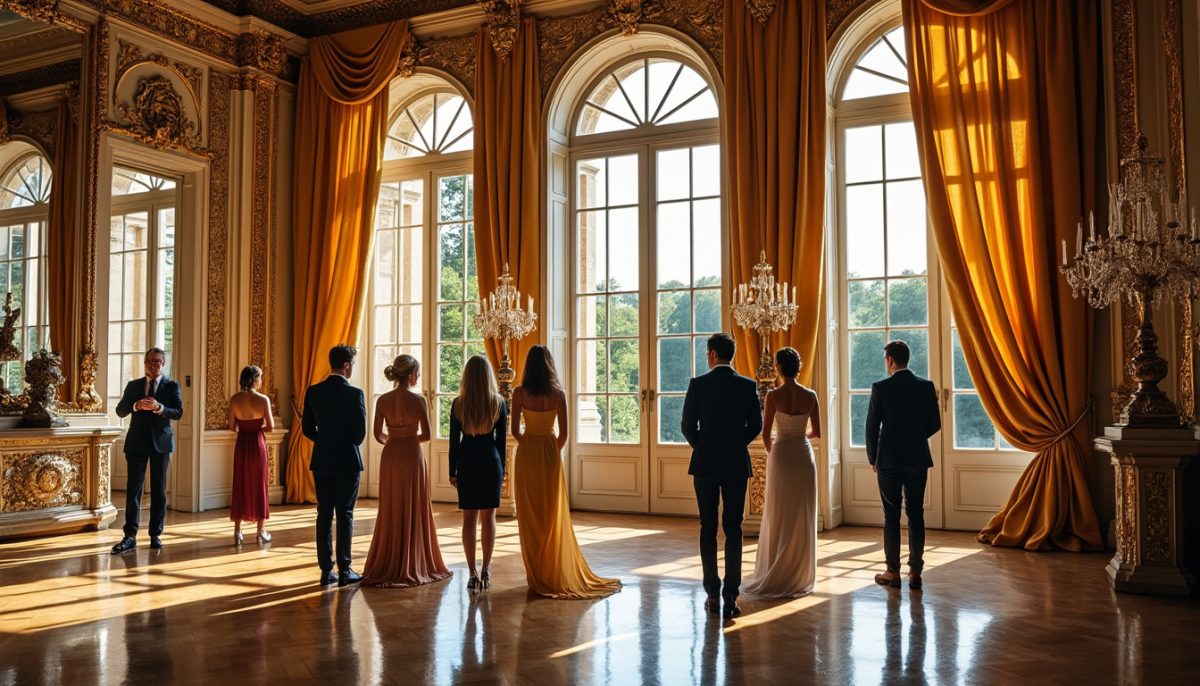
Stepping through the grand gates of Versailles offers a glimpse into a world of opulence and history, where stories of royalty and intrigue still resonate through its gilded halls. Each year, millions flock to this majestic haven, with its staggering 1,977 acres of meticulously designed gardens and palatial splendor. However, for those in search of the ultimate experience, the Versailles VIP Experience stands out, allowing visitors to bypass the bustling crowds and delve deeper into the estate’s fascinating past. This article explores nine insider insights from a recent VIP tour, illuminating what makes this journey not just memorable but truly enriching.
Significance of the Palace: A Historical Overview
The history of Versailles is intricately woven into the fabric of French culture and politics. Originally established as a hunting lodge by Louis XIII in the early 17th century, the palace evolved into a symbol of royal power and grandeur under his son, Louis XIV. The decision to relocate the court from Paris to Versailles in 1682 marked a pivotal moment in French history, signifying the rise of the Sun King’s influence. This transition was not merely a change of residence; it represented a new political order where the monarchy sought to centralize power, drawing nobles into a courtly lifestyle filled with extravagance and surveillance.
Over the centuries, Versailles has witnessed monumental events, including the French Revolution, which saw the decline of the monarchy and the dismantling of royal privileges. The infamous march on Versailles in October 1789 by a mob of women, concerned about bread shortages, was a significant turning point that forever altered the course of the nation. Today, despite its turbulent past, the palace attracts around ten million visitors annually, making it a vital part of France’s cultural heritage.
Experiencing the Rush: Why a VIP Tour is Essential
As our luxury Eurovan pulled into the designated VIP entrance, it became evident why opting for a VIP tour was essential. Hundreds of tourists were already queued at the main entrance, creating a scene reminiscent of the royal court when nobles vied for favor. The seamless transition into the palace highlighted the key advantage of the VIP experience — avoiding the long lines that often characterize a visit. With the added benefit of a knowledgeable guide, the experience transcends mere observation; it’s a comprehensive exploration that reveals layers of history often overlooked by the casual visitor.
From the moment you step inside, the grandeur envelops you. The first stop is the Hall of Mirrors, where 357 opulent mirrors reflect the splendor and excess of the Sun King’s reign. This iconic space bears witness to significant events, including the signing of the Treaty of Versailles in 1919, which concluded World War I. The atmosphere is palpable, filled with echoes of history that resonate strongly, especially when guided by someone well-versed in the intricate stories that lie beyond the surface.
The Allure of the Gardens: Nature Meets Artistry
While the palace’s interior is undoubtedly stunning, the gardens at Versailles are a feast for the senses, covering nearly 2,000 acres. This vast expanse of greenery is a masterpiece of landscape design, replete with fountains, intricately carved sculptures, and sprawling lawns. The scale and artistry of the gardens are overwhelming; it’s impressive to think that such beauty was orchestrated as part of the royal lifestyle.
On our VIP tour, we learned that renting a bicycle or taking a small train through the gardens allows visitors to access secluded spots such as the Petit Trianon, famously associated with Marie Antoinette. Each turn in the garden reveals a new vista, meticulously crafted for royal enjoyment, reflecting the harmony between nature and human ingenuity. Exploring these grounds while avoiding the throngs of tourists allows for a more intimate connection with this living museum.
The Secrets Behind the Palace’s Restoration
One facet of our tour revealed the ongoing efforts to restore and preserve the palace’s original furnishings and artworks. Following the French Revolution, many invaluable items were lost, damaged, or destroyed, making the task of recovery an arduous endeavor. Today, restorers and historians work diligently to reclaim the palace’s former glory, ensuring that visitors can appreciate the authentic artifacts of French history.
This effort is not simply about aesthetic appeal; it speaks to a larger commitment to preserve the cultural narrative of France. Each piece of furniture, tapestry, or artwork carries a story, contributing to the rich tapestry of the estate’s past. Whether partaking in an exclusive behind-the-scenes viewing or simply enjoying the splendor during a guided tour, understanding this dedication adds depth to the visit.
Daily Life at Versailles: A Window into Royalty
One of the most intriguing discoveries of our VIP tour was the nature of daily life at the palace during its height. Unlike today’s private lifestyles, royal living was a public spectacle. Courtiers, servants, and members of the public navigated through the palace, creating a cacophony of social interaction. The King’s Chamber, for instance, served not just as a sleeping space but as a performance stage where ceremonies unfolded. Guests and courtiers could witness royal rituals firsthand, which further emphasized the grandeur of the monarchy.
Moreover, the daily routines of royals were complex and heavily scripted, affecting everything from personal rituals to the organizational structure of court life. The concept of privacy was virtually nonexistent, making life at Versailles a unique confluence of public service and personal existence. These insights reveal that the allure of royalty is intertwined with a reality filled with scrutiny and formality, challenging romanticized notions of regal life.
The Unearthed Mysteries: Tales of the Hall of Mirrors
The Hall of Mirrors serves not only as a visual spectacle but as a reservoir of historical significance. On our VIP tour, we learned about its crucial role in French diplomacy, notably as the venue for the Treaty of Versailles that altered the course of global history. Such knowledge transforms a simple visit into an enlightening experience, adding layers of meaning to what may initially seem like mere decorative grandeur.
Visiting this iconic space without the rush of crowds allows for genuine reflection on these moments, connecting visitors to the very foundation of modern European history. Each reflection in the mirrors carries with it stories of queens, kings, and pivotal figures whose actions changed the world.
Understanding the Royal Opera and Its Revival
Our VIP experience also took us to the restored Royal Opera House, a stunning example of Baroque architecture. Inaugurated in 1770, it was the largest performance hall in Europe at the time, intended to host grand operatic performances that reflected the cultural aspirations of the monarchy. Sadly, during the adversities of World War II, it fell into disrepair. Today, the opera house stands as a testament to the commitment to not only preserve royal heritage but to rejuvenate it for contemporary audiences.
The revival of the Royal Opera House is significant not just for its architectural beauty but also for its cultural value. Programs held here celebrate not only the past but also the present, showcasing how historical spaces can adapt and thrive in modern contexts. Engaging with the arts in such a majestic setting serves as a bridge connecting past and present, offering visitors another layer of appreciation for the palace and the history it encapsulates.
The Royal Experience Reimagined
A Palace Tour of Versailles, particularly a VIP one, goes beyond the surface-level engagement most visitors experience. It’s an invitation to embark on an exploration of French history from the vantage point of royalty. With personalized attention and exclusive insights from knowledgeable guides, participants walk away not just with photographs but with stories, secrets, and an enriched understanding of what makes Versailles so extraordinary.
For anyone keen on truly experiencing the exquisite beauty and rich complexity of this landmark, the VIP experience is not just a luxury; it’s an essential part of the journey into the heart of France’s cultural heritage. With every room explored and every garden path walked, visitors in this elite context become part of a legacy that continues to inspire and intrigue.
| Insight | Details |
|---|---|
| Historical Significance | Originally a hunting lodge, became a symbol of royal power. |
| Public Spectacle | Daily life was a public affair, revealing the complexities of royal duties. |
| Restoration Efforts | Ongoing work to recover original artifacts from the French Revolution. |
| Gardens’ Design | Nearly 2,000 acres showcasing the blend of nature and art. |
| Royal Opera House | Revitalized for modern performances, bridging past and present. |