The Bir-Hakeim Bridge stands as a remarkable testament to both engineering and aesthetic beauty in the heart of Paris. Spanning the Seine River, this iconic structure connects the 15th and 16th arrondissements, serving as a vital artery for the city while also providing breathtaking views of the Eiffel Tower. Not only does it facilitate the flow of daily life, but it also offers a glimpse into Paris’s rich history and architectural grandeur. As one crosses this magnificent bridge, one can appreciate the intricacies of its design and the stories that linger in its shadows. The unique juxtaposition of bustling urban life against the serene backdrop of the Seine captures the essence of Paris in an extraordinary way.
Exploring the Architectural Marvel of Bir-Hakeim Bridge
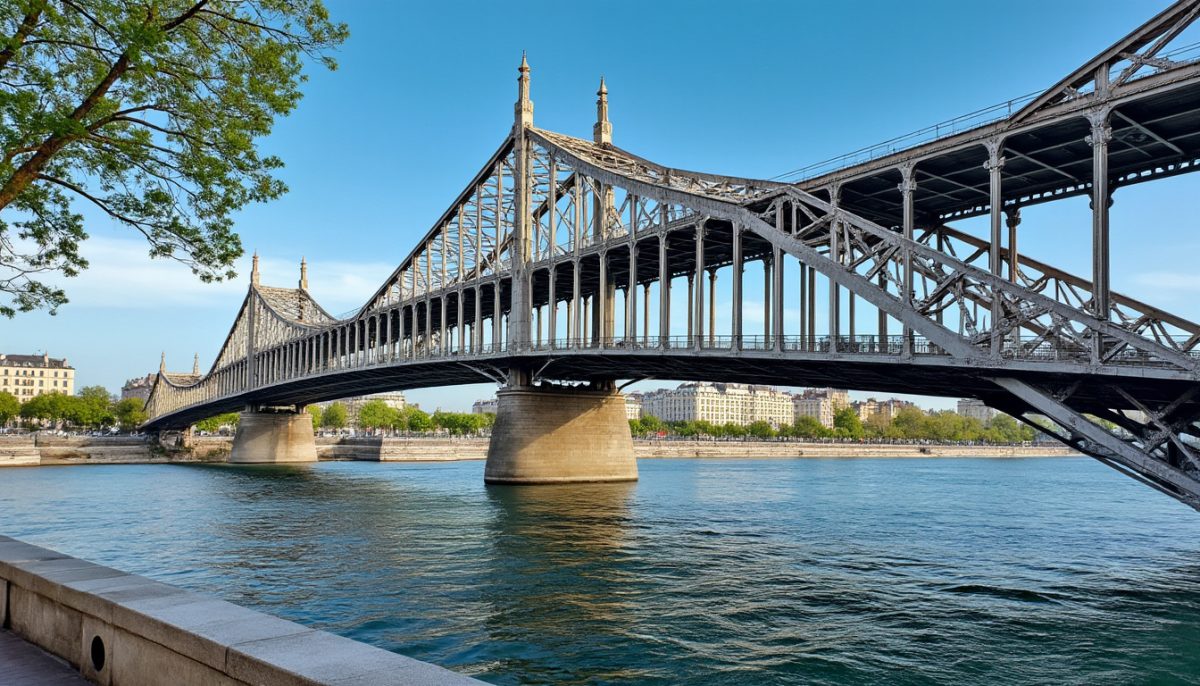
Constructed between 1903 and 1905, the Bir-Hakeim Bridge showcases an innovative double-deck design that has cemented its place as one of the most stunning examples of early 20th-century French architecture. This two-level structure not only accommodates both Metro trains and road traffic, but also provides a pedestrian pathway that allows visitors to soak in the picturesque surroundings. What makes this bridge particularly fascinating is its blend of functionality and artistry, which is evident in its elegant arches and decorative lampposts, characteristics typical of the bridge engineering of its time.
As one approaches the bridge, the first thing that captures the eye is its intricate iron structure, evoking a sense of grandeur. The main span, supported by elegant arches, offers a sense of lightness that belies its substantial structural prowess. Interestingly, the bridge was initially named Pont de Passy, named after the neighborhood in the 16th arrondissement it leads to. However, its name was officially changed to honor the significant WWII military engagement at Bir Hakeim in Libya, showcasing how history can shape the narratives around urban landmarks.
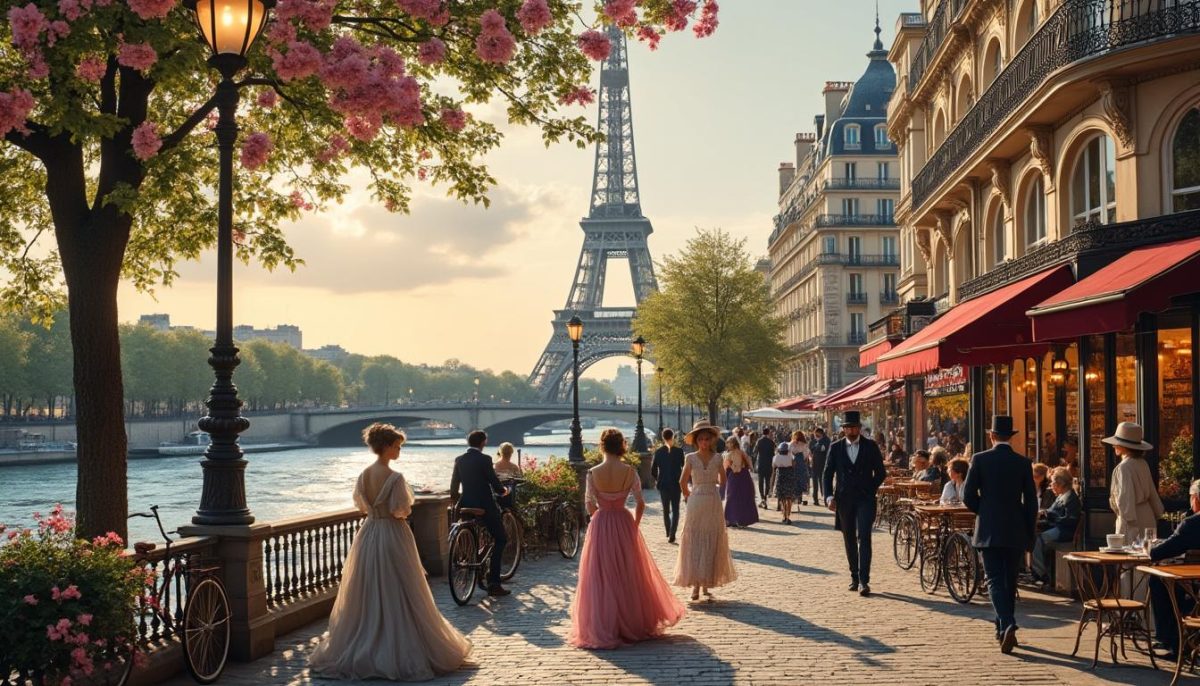
This bridge is not merely a transit point; it has become an emblem of Parisian elegance. The combination of historic significance and modern-day utility makes it a central feature in the city’s landscape. Visitors can frequently be found photographing the Eiffel Tower through the bridge’s arches, a viewpoint that has become iconic on social media platforms. The pedestrian path allows for leisurely strolls or quick bike rides, making the bridge an essential part of the city’s tourism ecosystem.
Historical Context of the Bir-Hakeim Bridge
The history of the Bir-Hakeim Bridge is deeply intertwined with the evolution of Paris itself. Originally constructed as a pedestrian bridge for the 1878 Exposition Universelle, it was replaced in the early 20th century to meet the needs of a growing city. The advanced engineering techniques employed during its construction reflect the technological progress of the time. Architect Jean-Camille Formigé led the design efforts, ensuring that the bridge would not only serve a functional purpose but also enhance the landscape of Paris.
The bridge holds a rich narrative, serving as a symbol of resilience during the tumultuous years of WWII. Its renaming in 1949 commemorated the French victory at Bir Hakeim, showcasing how memorials are intricately connected to urban spaces. This is a powerful reminder that buildings and bridges can carry emotional weight, often telling stories that resonate with both the local populace and international visitors alike.
Moreover, the Seine River, winding its way beneath, enhances the bridge’s allure. The river itself has served as a lifeblood for the city, fostering trade and cultural exchange. The area around the bridge is bustling with life, encapsulating both the daily rhythms of Parisians and the curiosity of tourists exploring this historic locale. Whether it’s enjoying a glass of wine at a nearby café or participating in an evening picnic along the riverbank, the bridge facilitates a connection between past and present.
The Bir-Hakeim Bridge: A Cultural Landmark
Today, the Bir-Hakeim Bridge is not only a functional piece of infrastructure but also a celebrated cultural landmark. Artists, filmmakers, and photographers flock to this stunning site to capture its beauty. Notably, it has served as a backdrop for numerous films, including the acclaimed “Inception” and the sensual “Last Tango in Paris.” These cinematic appearances further cement its status as a symbol of Parisian charm and sophistication.
Furthermore, the bridge has become a favored location for engagement photos and artistic endeavors. Couples often find themselves drawn to the picturesque backdrop of the Eiffel Tower framed by the intricate arches of Bir-Hakeim. The blend of steel and stone, coupled with the tranquil flow of the Seine, creates a scene that inspires creativity in countless visitors.
Even the architecture of the bridge offers artistic elements that provoke thought and reflection. Statues and reliefs adorn its base, telling stories of French heritage and emphasizing the importance of arts in public spaces. Just as the bridge connects two arrondissements, it also links various facets of Parisian culture, making it a focal point for artistic expression.
Experiencing the Bir-Hakeim Bridge Today
Visiting the Bir-Hakeim Bridge in 2026 presents an extraordinary opportunity to immerse oneself in the essence of Paris. Whether cycling along its pathway or strolling leisurely to take in the views, the bridge serves as a seamless connection between vibrant neighborhoods. Its accessibility via Metro Line 6 makes it easy for both locals and tourists to experience this architectural gem.
On the upper deck, Metro travelers are treated to one of the most breathtaking views of the Eiffel Tower, which almost feels as if it is within arm’s reach. This experience transforms an ordinary commute into a memorable journey, showcasing the beauty that Paris has to offer. As the train glides over the bridge, it offers passengers a unique perspective on the city’s skyline, making every ride an experience to cherish.
Moreover, the bridge becomes a vibrant social space during weekends, with joggers, cyclists, and families showcasing the pulsating life of Paris. Street performers often set up shop at either end, adding an artistic flair to the overall atmosphere. The Bir-Hakeim Bridge is not just a passageway; it is a stage where Paris’s heart beats in rhythm with its population.
The Significance of the Bir-Hakeim Bridge in Modern Paris
As one navigates the urban landscape of Paris in 2026, the significance of the Bir-Hakeim Bridge transcends its architectural magnificence. This bridge serves as a link not only between the 15th and 16th arrondissements but also as a vital piece of urban geography that impacts daily life in the city. Its preservation and continued use reflect a commitment to heritage and modernity, showing how infrastructure can maintain its relevance over time.
The river’s ever-changing flow beneath adds a layer of dynamism to the bridge. In recent years, various initiatives aimed at promoting sustainability have gained traction, and the bridge has become part of this conversation. As the city seeks to adapt and thrive in a rapidly changing world, Bir-Hakeim stands as a reminder of the past while inviting new ideas for the future.
The bridge embodies the soul of Paris—a melding of history, culture, and everyday life. It is a place where stories converge; whether it’s a couple sharing a moment, a street artist expressing creativity, or a commuter soaking up the views, every individual who crosses its path contributes to its ongoing narrative. The Bir-Hakeim Bridge remains a true landmark, timeless yet ever-evolving.
| Feature | Description | Weight |
|---|---|---|
| Year of Construction | 1903-1905 | Light Structure |
| Architect | Jean-Camille Formigé | Innovative Design |
| Length | 237 meters | Spanning Seine River |
| Usage | Metro, Cars, Pedestrians | Multi-functional |
| Renaming Year | 1949 | Commemorative Purpose |