Paris, a city synonymous with art and culture, houses the Petit Palais, an extraordinary museum that often finds itself overshadowed by its larger counterparts. Completed in 1900 for the Exposition Universelle, this compact museum holds a treasure trove of fine art that spans centuries and styles. Visitors are drawn not only by its extensive collections but also by the stunning architecture and serene garden that provide a peaceful respite from the bustling city. With free admission to the permanent collections, it offers an accessible cultural experience for both tourists and locals alike. In 2026, the museum continues to thrive, presenting a myriad of exhibitions that enchant art enthusiasts and casual visitors, solidifying its status as a must-see destination in Paris.
The Architectural Wonders of the Petit Palais
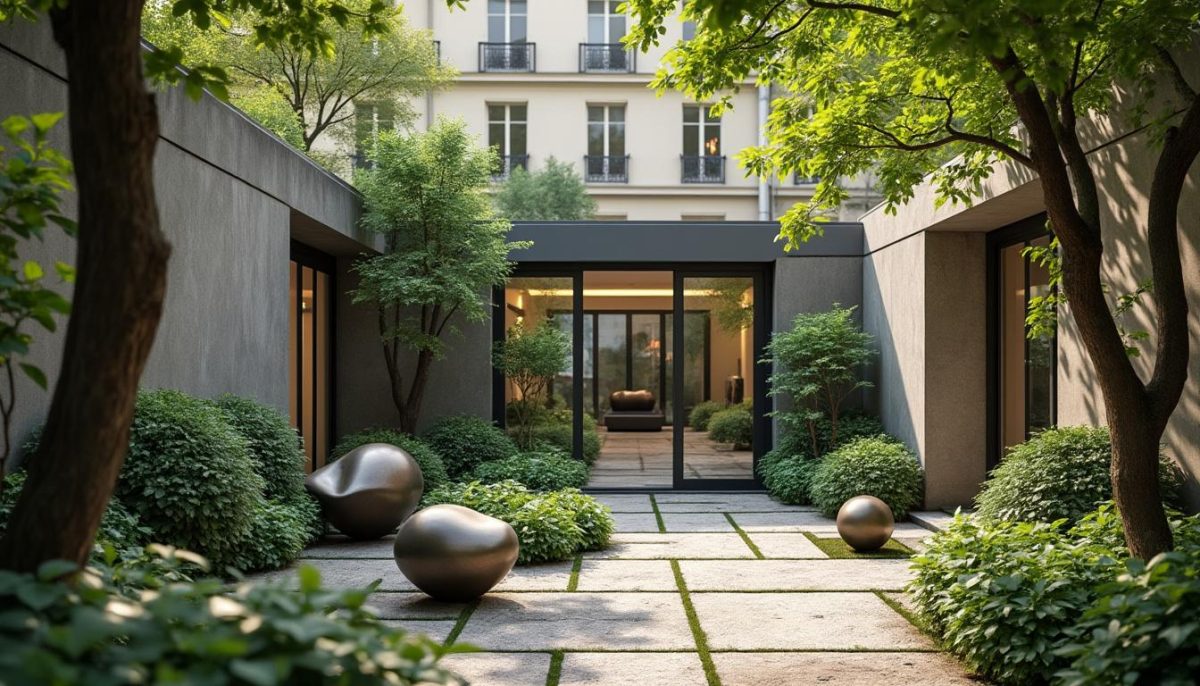
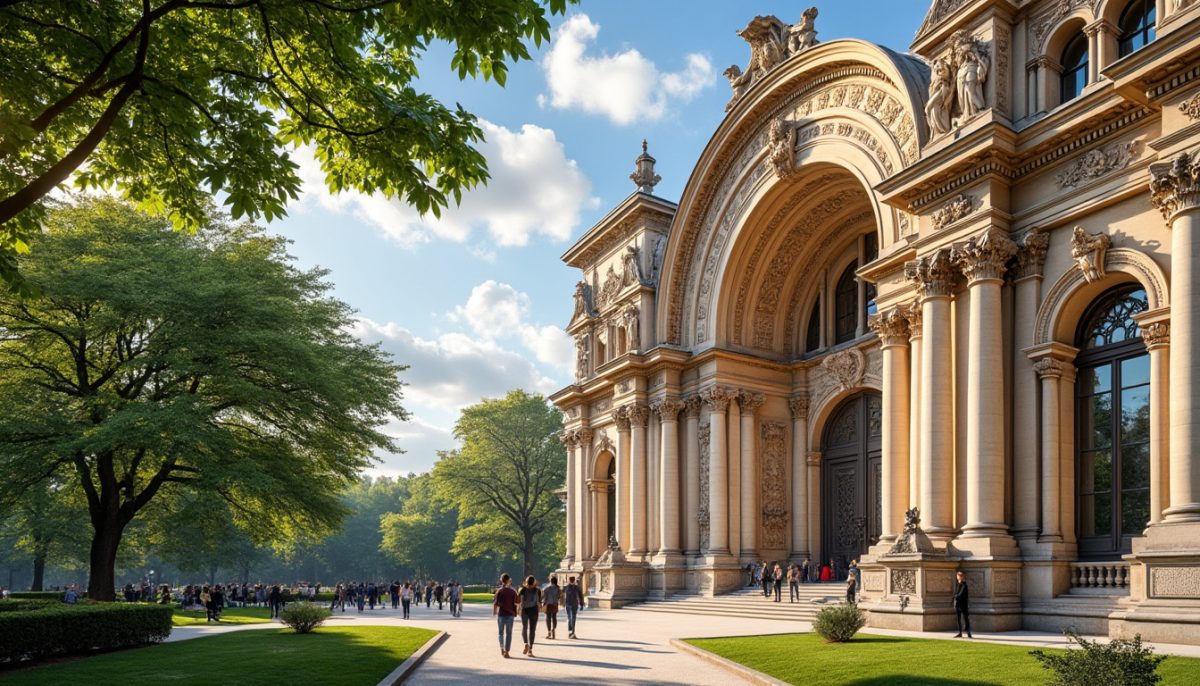
The architectural charm of the Petit Palais is a reflection of its grand purpose during the 1900 Exposition Universelle. Designed by the talented architect Charles Girault, the museum features a harmonious blend of Beaux-Arts styles, characterized by its ornate façade adorned with intricate sculptures and friezes. The Petit Palais is organized around a semi-circular garden that adds an element of tranquility and beauty to the museum experience. Here, visitors can marvel at delicate mosaics and lush greenery, making it a perfect escape amidst the urban landscape.
One of the standout features of the museum is its spectacular entrance, which showcases beautiful stained glass windows that filter light in a way that enhances the art displayed within. The interior design is just as impressive, with mosaic floors created by the renowned Italian artisan Giandomenico Facchina, leading guests through rooms filled with historic and contemporary masterpieces. Significant details, such as the decorative murals that grace the exhibition galleries, took twenty years to complete, demonstrating not only the time invested in creating the museum but also the dedication to artistry and aesthetics.
In its layout, the Petit Palais is strategically designed to guide visitors seamlessly through the history of art. Each wing showcases different periods and styles, offering a condensed yet comprehensive journey through art history. Whether a first-time visitor or a seasoned art enthusiast, the architectural and aesthetic beauty of the museum elevates the overall experience.
The Museum’s Collections: A Journey Through Art History
At the heart of the Petit Palais lies its remarkable collection of artworks, categorized into eight distinct segments. Each collection offers a unique glimpse into the evolution of art from antiquity to modern times, making it an essential stop for anyone interested in the visual achievements across epochs.
One of the prominent categories, “Paris 1900,” captures the essence of the Art Nouveau movement, celebrating the innovative designs by artists such as Hector Guimard, whose famous Paris Métro entrances are a testament to this adorned era. The collection includes exquisite jewelry by Georges Fouquet and stunning Greek revival vases from Baccarat, making it a highlight of the museum. As visitors explore this section, they are transported to a time of opulence and creativity that defined late 19th-century Paris.
The 19th-century section is another must-see, showcasing artists like Claude Monet and Gustave Courbet, who were central figures in the Impressionist and Barbizon movements. Among the highlights is Monet’s “Sunset on the Seine at Lavacourt, Winter Effect,” a breathtaking depiction that exemplifies his mastery of light and color.
Each category encourages introspection and appreciation of the creative genius behind the artworks, prompting questions about the historical contexts that shaped these pieces. The blend of classic and modern is palpable here, emphasizing how the past interweaves with contemporary artistry. From paintings and sculptures to decorative arts, the collection at the Petit Palais fills the visitor with admiration for the beauty and diversity of human expression.
Temporary Exhibitions: Innovation Meets Tradition
The dynamic program of temporary exhibitions at the Petit Palais ensures that every visit is unique. Each year, the museum hosts around six exhibitions, spotlighting significant themes, styles, or influential artists from various periods. These exquisite exhibitions delve deeper into specific artistic movements, offering extensive insights that complement the rich permanent collections.
Recent exhibitions have included “From Watteau to David,” celebrating the evolution of French art from the Regency period through to the Neoclassicism of the late 18th century. Such shows provide a thorough context for understanding many of the pieces housed in the permanent collections, enriching the visitor’s experience and appreciation of the museum’s scope.
The Petit Palais also showcases modern artistic narratives, allowing contemporary artists to converse with the historical pieces surrounding them. This mixing of traditional and modern art creates an engaging dialogue, inviting visitors to draw connections between different eras and styles, thus fostering a deeper understanding of the evolution of art.
Notably, the café adjacent to the serene garden serves as an additional highlight, offering a delightful space for reflection and enjoyment after appreciating the art. The combination of excellent exhibitions, a peaceful environment, and quality refreshments underscores how the museum continues to be a vital part of the cultural landscape in Paris.
Exploring the Surroundings: A Cultural Hub
Beyond its captivating collections, the Petit Palais is nestled within one of the most culturally rich neighborhoods in Paris, the 8th Arrondissement. This area is renowned not only for its architectural masterpieces, such as the Grand Palais and the splendid Pont Alexandre III but also for its proximity to the famed Champs-Élysées.
Visitors who explore this vibrant neighborhood often find it easy to transition from the museum experience to other iconic landmarks. A short walk can lead to bustling avenues lined with boutiques and cafés, where one can absorb the Parisian atmosphere. The entire area is a symphony of culture, history, and modernity, where each street corner beckons with a story waiting to be discovered.
This proximity to other significant sites enhances the visit to the Petit Palais. Exhilaration seeps from the avenues filled with street performers and gastronomic delights, enabling guests to indulge in the city’s culinary scene before or after their visit. The inviting blend of art, culture, and history that defines this part of Paris makes the Petit Palais experience even more enriching.
The Petit Palais: A Cultural Touchstone in Paris
Steeped in history and artistic merit, the Petit Palais serves not just as a museum but as a cultural touchstone for visitors to Paris. It presents a narrative of artistic evolution while welcoming individuals from all walks of life to a peaceful yet stimulating environment. This accessibility ensures that art remains a shared experience, celebrating creativity and community through its well-curated collections and thoughtful exhibitions.
In today’s context, the importance of spaces like the Petit Palais cannot be overstated. As the city continues to evolve, the museum has adapted to meet contemporary expectations while preserving the values that define its identity since opening its doors to the public in 1902. Its mission of cultural engagement drives public interest and maintains its status as one of the most beloved art institutions in Paris.
Visiting the Petit Palais is akin to stepping into a world where the past collides beautifully with the present, offering both enlightenment and serenity. As the museum continues to grow and evolve, it remains an enriching part of the Parisian art scene, illuminating paths for future generations to explore the realms of creativity and culture.
| Collection | Highlights |
|---|---|
| Paris 1900 | Jewelry by Georges Fouquet, Art Nouveau designs |
| 19th Century | Claude Monet’s paintings, Impressionism |
| 18th Century | Portraits by Jean-Honore Fragonard, historic art |
| Renaissance | Moorish ceramics, Northern European art |
| Icons | Collection of Greek and Russian icons |