The Parc de la Villette stands as a vibrant representation of modern urban planning, merging art, science, and culture into a single vast space in the heart of Paris. Located in the 19th arrondissement, this expansive park spans over 55 hectares and has evolved from its industrial roots into a bustling hub of creativity and community engagement. Once an abattoir complex in the 19th century, the transition to a park filled with thematic gardens and innovative structures illustrates a remarkable commitment to innovative design and sustainable urban living. Designed over two decades, the park now holds Europe’s largest science museum and the prestigious Philharmonie de Paris, establishing itself as a cornerstone for cultural pursuits in the city.
Architectural Brilliance of Parc de la Villette
Parc de la Villette is not just a park; it is a masterclass in modern architecture. Conceived in the 1980s by renowned architect Bernard Tschumi, its design integrates landscapes with structures in a way that respects the original industrial site of the abattoirs. The centerpiece of the park is the Grande Halle, an iconic iron and glass structure that has been repurposed from its original function as a market hall to a versatile exhibition space. This renovation showcases how historical elements can be preserved while evolving into contemporary uses.
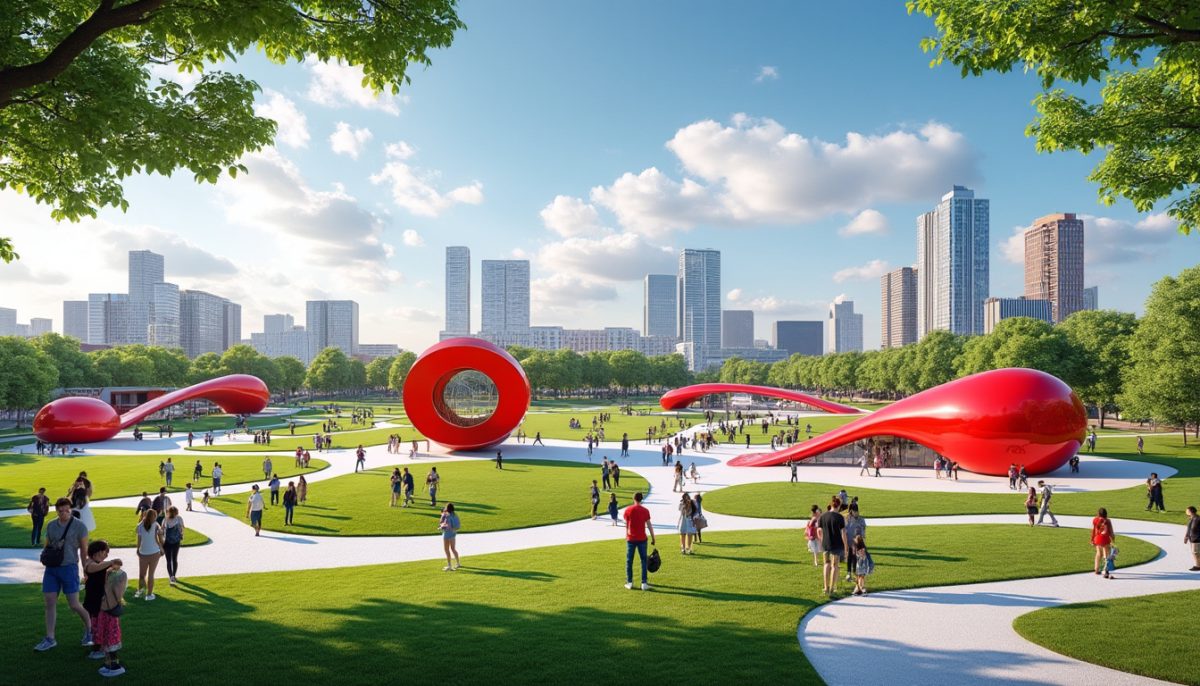
The layout features 35 striking architectural follies—small, playful structures scattered throughout the park that serve as pavilions and rest areas. Each folly has its own unique shape and function, from providing shade to housing art installations. These structures play a crucial role in drawing visitors into the park’s diverse landscape. This incorporation of architecture adds a tactile and visual experience, making each visit unique and engaging.
Moreover, the park is designed with an intent to foster interaction and exploration. Wide, open spaces, combined with themed gardens such as the Garden of Balance and the Bamboo Garden, invite visitors of all ages to partake in various activities, from casual strolls to educational programs. The design encourages not just passive enjoyment but active participation in both the natural environment and cultural offerings. For instance, during summer, the park organizes numerous outdoor activities, including cinema screenings and dance performances, enhancing its role as a community gathering space.
Engaging with Art and Culture
The cultural significance of Parc de la Villette cannot be overstated. Home to the Cité des Sciences et de l’Industrie, the park features Europe’s largest science museum, which offers hands-on exhibitions appealing to both children and adults. With interactive displays, including a submarine exhibit and a planetarium, this museum represents the park’s commitment to education through innovation and exploration. Families visiting the park will find an enriching experience that stimulates curiosity while providing entertainment.
In addition to science, the park is also a haven for music lovers due to the presence of the Philharmonie de Paris. Completed in 2015, this architectural wonder is celebrated for its exceptional acoustics and stunning design. It houses numerous concert halls and exhibits, making it a prime venue for performances that span various musical genres. From classical to contemporary, the Philharmonie hosts events that cater to a wide audience, actively contributing to the cultural dialogue within the city and beyond.
Art installations peppered throughout the park further enhance its cultural tapestry. Temporary exhibitions highlight the works of local and international artists, establishing the park not merely as a backdrop but as an active participant in the contemporary art scene. Visitors often find themselves exploring not just the gardens and structures but also the dynamic interplay between nature and artistic expression. This immersive experience fosters a deeper understanding of how art and culture can coexist harmoniously with urban architecture.
Thematic Gardens and Recreational Areas
Manicured lawns and themed gardens at Parc de la Villette provide not just a breath of fresh air but also serve as spaces for relaxation and enjoyment. The park features an impressive array of gardens, each with a distinct concept. The Garden of Childhood Fears, for instance, introduces an imaginative narrative for children, filled with sounds that evoke whimsical fears and invite playful exploration. This transformation of garden spaces creates both enjoyment and a learning environment for young audiences.
Another notable garden is the Garden of Dunes, which showcases a variety of landscapes, allowing visitors to experience different textures and flora. The well-considered design encourages guests to wander through diverse environments, experiencing a journey through nature without ever leaving the city. Moreover, these themed gardens are instrumental in enhancing biodiversity within urban settings, demonstrating how parks can serve ecological purposes while remaining a site for community interaction.
Activities in these gardens are complemented by numerous playgrounds, making Parc de la Villette a family-friendly destination. Programs specifically designed for children, such as storytelling sessions and educational workshops, are regularly organized within these green spaces. They empower young minds to connect with nature while learning about the importance of ecological balance. These initiatives align with the park’s broader mission of promoting sustainability and environmental consciousness.
Events and Community Engagement
Events at Parc de la Villette reflect the vibrant pulse of Parisian life. From summer festivals to weekend markets, the park serves as a canvas for cultural expression and community engagement. These events create opportunities for local vendors to showcase their crafts, adding a unique flavor and local essence to each gathering. Visitors can enjoy artisanal food, live music, and various performances throughout the year, solidifying the park’s status as a social hub.
The park’s open-air cinema is a hallmark of its summer offerings. Visitors can lounge on the grass while watching classic and contemporary films under the stars. This initiative fosters a welcoming atmosphere, encouraging community bonding through shared experiences. The cumulative impact of these events transforms Parc de la Villette into more than just a recreational area; it embodies the spirit of connection, creativity, and innovation that Paris is known for.
Additionally, the park’s programming extends into educational workshops that focus on sustainability and environmental issues. Local schools often collaborate with park authorities to conduct sessions that engage students in hands-on learning experiences related to nature conservation. This educational aspect is paramount, as it prepares the younger generation to understand and address pressing global challenges while fostering a love for their urban environment.
The Future Landscape of Parc de la Villette
As urban environments continue to evolve, Parc de la Villette exemplifies a forward-thinking approach to sustainable living and community engagement. Future developments in the park are expected to enhance its existing features while introducing modern amenities that embrace technology without compromising its natural beauty. Plans for expanded green spaces and new activities are continuously being explored, ensuring that the park remains relevant and appealing to future generations.
Moreover, the integration of urban farming initiatives is becoming increasingly critical. These efforts not only enhance the ecological footprint of the park but also provide educational opportunities in sustainable agriculture. Community members can engage in gardening and learn about local food systems, fostering a genuine connection to their environment.
Parc de la Villette continues to stand out as an emblem of innovation, architecture, and cultural richness, serving as a modern masterpiece that continually adapts and thrives. Its dedication to effectively merging urban life with nature ensures that visitors will always have a diverse and enriching experience waiting for them in this vibrant urban oasis.
| Attraction | Description | Accessibility |
|---|---|---|
| Cité des Sciences et de l’Industrie | Europe’s largest science museum with hands-on exhibitions. | Accessible via Metro – Porte de Pantin. |
| Philharmonie de Paris | Premiere music venue offering diverse concerts and exhibitions. | Access via nearby metro stations and walking paths within the park. |
| La Grande Halle | Multi-use exhibition space showcasing various events. | Easily reachable for visitors, with facilities suited for all. |