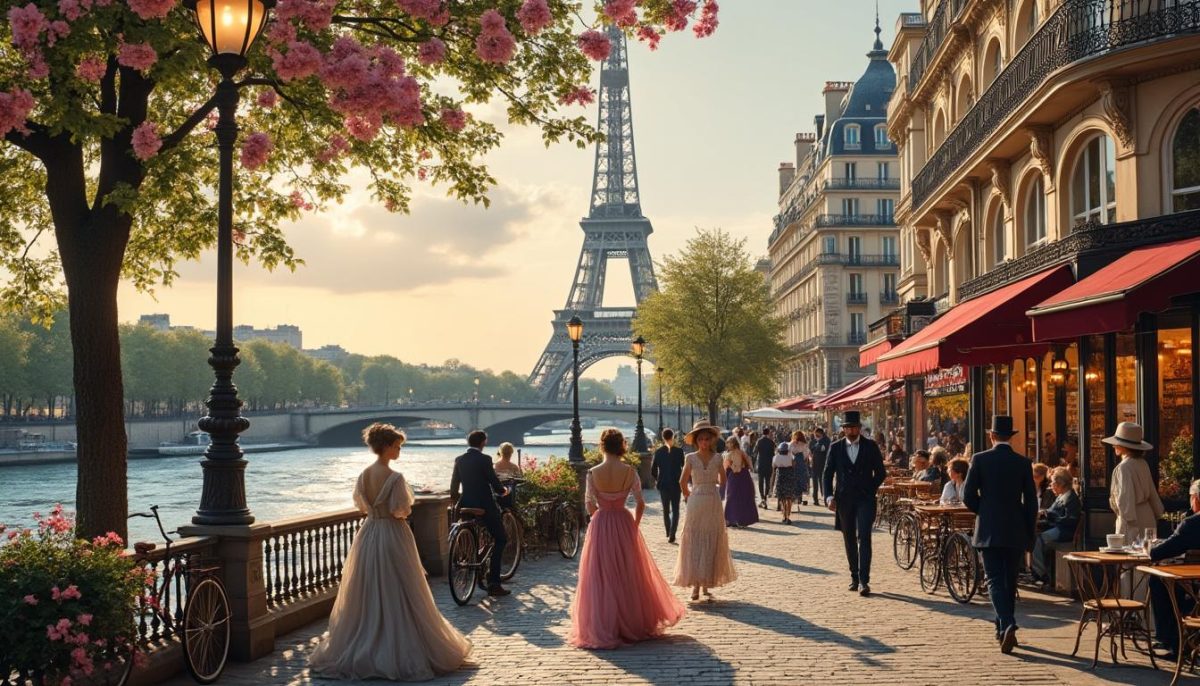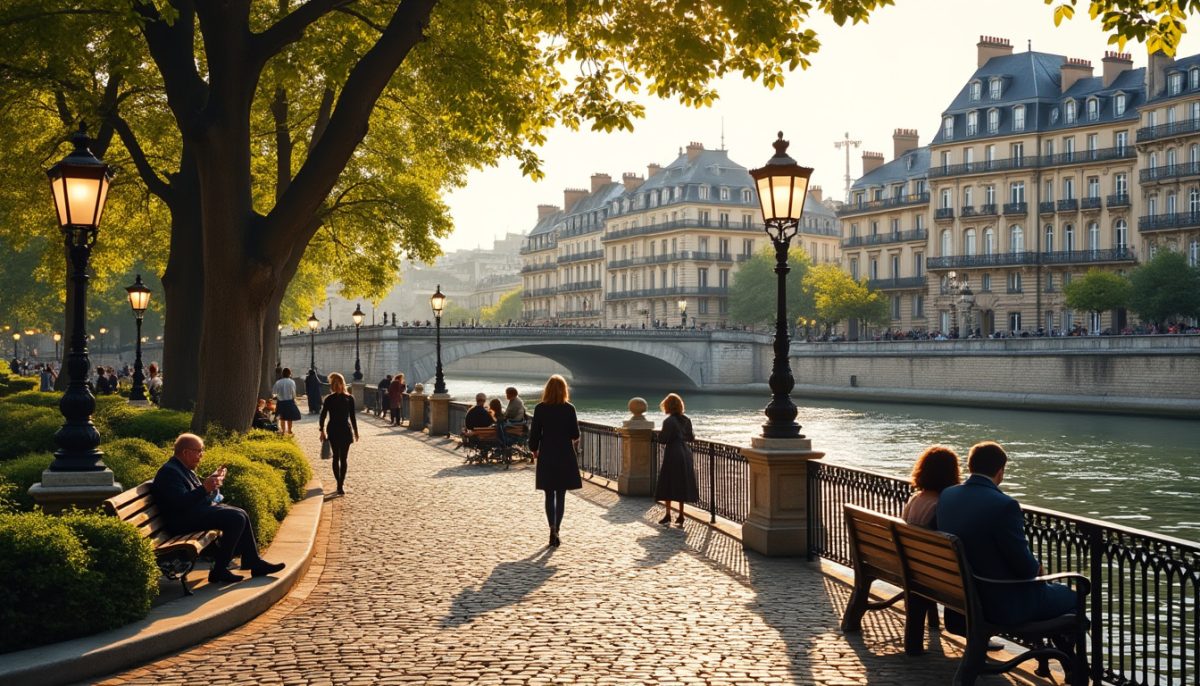
As the Seine gracefully winds its way through Paris, it creates a tapestry of islands that tell stories of timeless history and vibrant culture. These islands, often overshadowed by the grandeur of the Eiffel Tower and the Louvre, beckon visitors to delve deeper into the heart of Old Paris. With each step, one can unravel the rich layers of Paris’s past while enjoying an idyllic stroll along the water’s edge. The charm of the islands serves as a reminder of the city’s ever-evolving relationship with the river that has shaped its landscape and character over the centuries.
Exploring these islands offers a unique perspective—one that unveils the transformation of the Seine, its tributaries, and the communities that once thrived here. Each island presents an intertwining narrative of nature and human endeavor, evoking the enchantment of a bygone era. Whether it’s the iconic Île de la Cité, home to the majestic Notre-Dame Cathedral, or the quaint Île Saint-Louis, a paradise for ice cream lovers, strolling through these environments fills the senses with the essence of Parisian life. As we navigate these historic waterways, we not only admire the scenery but also reflect on the river’s significant role in shaping the city’s identity.
The Iconic Île de la Cité: Heart of Historic Paris
Île de la Cité is often regarded as the birthplace of Paris, a place teeming with history and architectural marvels. At the center of this island lies Notre-Dame Cathedral, a gothic masterpiece that has captured the imagination of visitors for centuries. Its intricate façade and soaring towers not only symbolize the religious fervor of the time but also serve as a testament to human creativity and ambition.
The history of Île de la Cité extends well beyond the cathedral’s walls. The island was once home to a Roman settlement, giving it a rich historical foundation. Walking along its cobblestone streets, one can encounter medieval remnants interspersed with modern-day cafes and boutiques. A notable highlight is the Conciergerie, a former royal palace and prison, where Marie Antoinette was held during the tumultuous days of the French Revolution. Exploring this site allows visitors to connect with the personal stories of those who traversed these same paths.
Cultural Significance and Modern-Day Life
While deeply entrenched in history, Île de la Cité remains a vibrant part of contemporary Parisian life. Street performers add to the lively atmosphere, and market stalls brim with artisanal goods. Visitors often enjoy leisurely walks along the banks, where the serene flow of the Seine calms the senses amidst the bustling city backdrop. The island serves as a multifunctional space harmonizing the old and the new, allowing one to savor both historical depth and modern pizazz.
Dining options are abundant on Île de la Cité. Many visitors opt for a classic French meal at a bistro with stunning views of the Seine. The culinary scene reflects the island’s dual nature: rich in tradition, yet constantly adapting to modern trends. For instance, a charming cafe near the Cathedral offers traditional French pastries, serving as a perfect pit stop for those engaged in their walking tour around the island. This blend of history and nourishment forms an integral part of the experience.
Discovering Île Saint-Louis: An Enchanting Retreat
A stone’s throw from Île de la Cité, Île Saint-Louis emerges as a tranquil haven, transporting visitors to a world far from the bustling city streets. Known for its picturesque streets and charming facades, this island is a delight for the senses. The aroma of fresh-baked bread and the sound of laughter resonate through the air, inviting wanderers to experience its warmth.
Île Saint-Louis, primarily residential, boasts a unique atmosphere characterized by its artisanal shops and exquisite ice cream parlors. Berthillon, a renowned establishment on the island, offers a plethora of flavors made from high-quality ingredients, making it a must-try for any visitor. Strolling hand-in-hand with a cone of this delightful treat while taking in views of the Seine bridges creates unforgettable moments.
Architectural Gems and Artistic Heritage
The island is also home to a number of architectural treasures, including stunning 17th-century mansions that showcase the opulence of Parisian life in centuries past. As you navigate through the narrow streets, be prepared to pause and admire decorative details, reflecting the rich artistic heritage of the city. Each building tells a story, inviting exploration and contemplation.
Art and culture thrive within the boundaries of Île Saint-Louis. The island is known for various art galleries housing local artists’ works. Each visit becomes an opportunity to appreciate the creativity buzzing beneath the surface of urban life. The island, with its enchanting aesthetics and inviting atmosphere, encourages visitors to linger and absorb the tranquil ambiance encapsulated within.
The Vanished Islands: Traces of a Lost Legacy
While Île de la Cité and Île Saint-Louis dominate the narrative of the Seine’s islands, their existence hints at a broader story of evolution and transformation. The Seine once comprised various natural islands that have slowly vanished through urban development. Among them is Île Louviers, once celebrated for royal events and community gatherings. The filling-in of its channel in the 19th century effectively erased it from contemporary maps, yet its legacy remains imprinted in the surrounding neighborhoods.
This metamorphosis from island to urban landscape illustrates Paris‘s relationship with nature as well as human progress. The ghost of Île Louviers may not be visible, but the neighborhood’s contours still reflect its spatial origin. Exploring through these once-vibrant spaces reveals how historic watercourses inform the layout of the city’s streets today.
The Influence of Historical Waterways
Another captivating example involves the Bièvre River, which powered workshops in medieval times but has since been buried beneath the city. Today, fragments of this forgotten river can still be traced through markers on the streets, reminding residents and visitors alike of the waterways that once shaped their surroundings. The buried rivers invite introspection about urban development and our relationship with nature.
Exploring these remnants adds another layer to the experience of strolling through Paris. Each step on this land, once shaped by rivers and islands, reinforces the understanding that our urban environments are not merely constructed but rather are the outcomes of histories imbued in their landscapes.
Why the Seine Islands Remain Essential to Parisian Identity
The islands of the Seine serve as crucial components of Parisian identity, embodying the multifaceted relationship between the city and its waterways. Their historical significance extends beyond their physical presence; they represent the heart of a city continuously adapting and evolving. Paris does not simply build around its rivers; it intimately engages with them, drawing inspiration from their moods and movements.
This connection is seen artistically, where writers, painters, and musicians have found inspiration in the islands’ tranquil beauty. The Seine and its islands have long been painted in vibrant hues, capturing moments in time—a testament to how deeply they resonate within the creative psyche. Strolling along the banks or wandering through the alleyways evokes memories of artists congregating, creating, and sharing their visions with the world.
Modern Perspectives on Paris’s Historic Landmarks
In contemporary times, the significance of the islands is observed through urban interventions that integrate parks and pedestrian spaces. Urban planners strive to create new spaces for social interaction, blending the old with the new to foster community ties. This ongoing dialogue between historic identity and modern living ensures that the islands remain not just artifacts of the past, but also vital components of Paris’s future.
| Island Name | Historical Significance | Modern-Day Attractions |
|---|---|---|
| Île de la Cité | Birthplace of Paris; home to Notre-Dame | Cafés, boutiques, historic sites |
| Île Saint-Louis | Residential island; architectural gems | Art galleries, ice cream shops |
| Île Louviers | Lost island; once hosting celebrations | Neighborhood reflecting old layouts |
| Île aux Cygnes | Man-made island; created in the industrial age | Statue of Liberty replica; parks |
Embracing the islands of the Seine invites the opportunity for reflection and appreciation of how Paris continues to grow and flourish in thoughtful ways. Each visit presents a chance to explore, ponder, and celebrate the saturated history threaded into every corner of this magical city. Whether you’re indulging in culinary delights or losing yourself in a sea of artistic expression, the Seine’s islands promise an unforgettable experience steeped in the essence of what makes Paris truly exceptional. For more insights on the historic significance of these islands, check out Paris History Trivia.
As the sun sets on the Seine, consider how these islands continue to influence the fabric of Parisian life. They stand as witnesses to times past, hold the narratives of generations, and inspire the city’s dreams for the future. Each ripple in the water invites a new story, continually connecting us to the past while guiding us toward tomorrow.