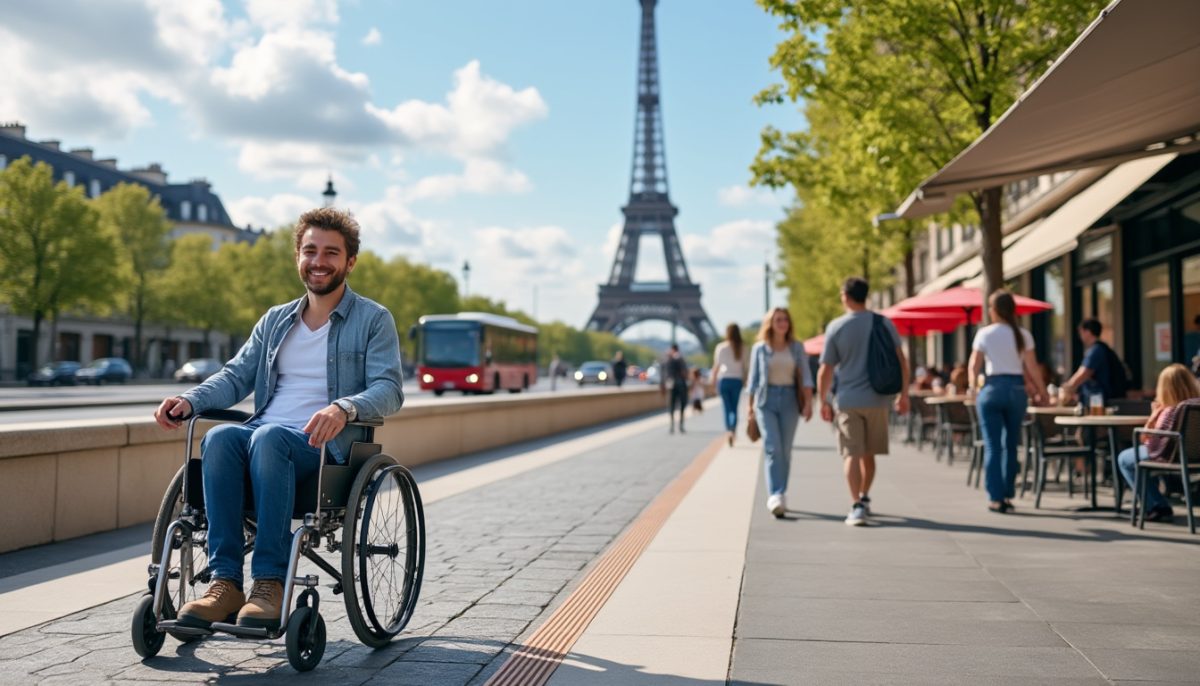
Visiting Paris is a dream for many, with its iconic landmarks, rich history, and vibrant culture. However, for those using a wheelchair, navigating the City of Light can present unique challenges. Paris boasts beautiful architecture, enchanting streets, and world-famous attractions, but accessibility has historically been a concern. Thankfully, ongoing improvements mean that in 2026, the city is becoming increasingly welcoming for visitors with mobility needs. This guide will explore essential tips for planning an accessible adventure in Paris, ensuring you experience the best that this magnificent city has to offer.
Understanding Paris’ Accessibility Landscape
The landscape of accessibility in Paris is evolving, especially since the introduction of France’s comprehensive disability laws in 2005. These regulations mandate that public spaces and institutions must be accessible to all, a crucial step for wheelchair users. Consequently, numerous attractions now provide disability access, turning once-challenging visits into memorable experiences.
Despite Paris being an ancient city, many museums and landmarks have made substantial efforts to improve access. For instance, the Louvre has installed elevators and wheelchair lifts, allowing 95% of its exhibitions to be viewed without navigating stairs. This is a testament to the city’s commitment to inclusive travel. By reaching out to sites before visiting, guests can inquire about specific accommodations, including pre-booked priority access and wheelchair-friendly routes.
However, there remain areas that demand careful navigation. Cobblestone streets in older districts such as the Latin Quarter can be troublesome for wheelchairs. Thus, prioritizing paths with smoother surfaces and minimal elevation changes is advisable. It’s also vital to stay informed about accessible public transport options, as many metro stations lack elevators—a limitation many travelers will want to avoid.
Accessible Attractions: Must-Visit Sites in Paris
When exploring Paris, some places stand out as particularly wheelchair friendly. The Musée d’Orsay, housed in a former railway station, is a highlight that welcomes all visitors. Upon arrival, wheelchair users can skip the long ticket lines by presenting their ID and, if necessary, proof of disability at the entrance. Inside, the museum boasts a myriad of impressionist masterpieces in spacious galleries, making it a delightful spot for art lovers.
The Jardin du Luxembourg is another gem, with its gently graded ramps and paths suited for wheelchair navigation. The expansive gardens allow leisurely strolls or rolls, giving visitors a chance to savor the serene atmosphere, observe magnificent statues of French queens, and perhaps indulge in a refreshing drink at one of the cafés nestled within the park. Pay attention to the nearby attractions like Église St Sulpice, where visitors can marvel at both its stunning architecture and beautiful fountain.
The iconic Eiffel Tower is also making strides in accessibility. The designated entrance for wheelchair users ensures a smoother entry. While the original staircase options might be limited, elevators facilitate access to breathtaking views from the first and second levels. Visitors can bask in the unparalleled Paris skyline and snap treasured photographs.
Dining and Leisure: Enjoying French Cuisine
Additionally, a stroll through vibrant street markets like the Aligre Market provides not only an opportunity to experience local culture but also enjoy a variety of affordable food options. The market itself is wheelchair accessible, featuring stalls laden with fresh produce, artisanal cheeses, and exquisite baked goods. Vendors are generally warm and accommodating, making it an excellent experience for all. For a more laid-back activity, consider a dinner cruise on the Seine. Many operators provide wheelchair ramps, allowing guests to board easily. Dining while floating past illuminated landmarks is a uniquely romantic way to experience Paris at night. The ambiance, combined with stunning views, becomes a memory cherished long after the trip. Planning ahead is crucial for an enjoyable visit to Paris. First, map out your routes and always opt for accessible transportation. While many metro stations lack facilities, buses are an excellent alternative. Nearly all Parisian buses are equipped with wheelchair ramps, easing the journey across the city. Furthermore, taxi services that accommodate wheelchair users are available for those preferring a more direct mode of transport. Consider pre-booking accessible tours that cater specifically to those with mobility limitations. Most tour guides are happy to make the necessary arrangements to ensure comfort during the excursion. This approach allows you to delve deeper into Paris’s rich history without the stress of navigating on your own. Another essential tip is knowing the locations of accessible public toilets. Facilities like those covered by Paris Public Toilets are crucial for a hassle-free day out. Downloading accessibility maps from various attractions can also streamline your visits, helping you plan break stops where necessary. Choosing an appropriate place to stay significantly impacts the accessibility experience in Paris. Many hotels now offer wheelchair-friendly rooms equipped with essential amenities. It’s advisable to contact establishments ahead of time to ensure that your specific requirements can be met. Popular options include hotels with ramps, accessible bathrooms, and locations near key attractions. Staying in areas such as the Marais or near the Champs-Élysées ensures you’re close to not only essential amenities but also some of Paris’s finest attractions. These neighborhoods boast smoother pavements and a range of restaurants that cater well to diners with mobility challenges. By utilizing booking platforms that allow filtering for accessibility features, you can quickly find suitable accommodations for your stay. Consider selecting accommodations with concierge services knowledgeable about the accessibility options in the area. These experts can provide valuable insights, book transportation, and suggest activities tailored to your interests, ensuring your stay is as seamless as possible. Exploring Paris in a wheelchair requires thoughtful planning, but with the right information and resources, it becomes a fulfilling adventure. With accessible attractions, convenient dining options, and practical travel tips, visitors with mobility needs can enjoy the full essence of Parisian tourism. Allow the beauty of this city to unfold as you navigate its vibrant streets and historic sites.Practical Travel Tips for Wheelchair Users
Accommodations: Finding the Right Place to Stay
Accommodation
Accessibility Features
Location
Hotel de Crillon
Wheelchair ramps, accessible bathrooms
Near Champs-Élysées
Hôtel du Louvre
Adapted rooms, easy public transport access
1st Arrondissement
Hotel Le Meurice
Fully accessible rooms, concierge service
Close to the Louvre