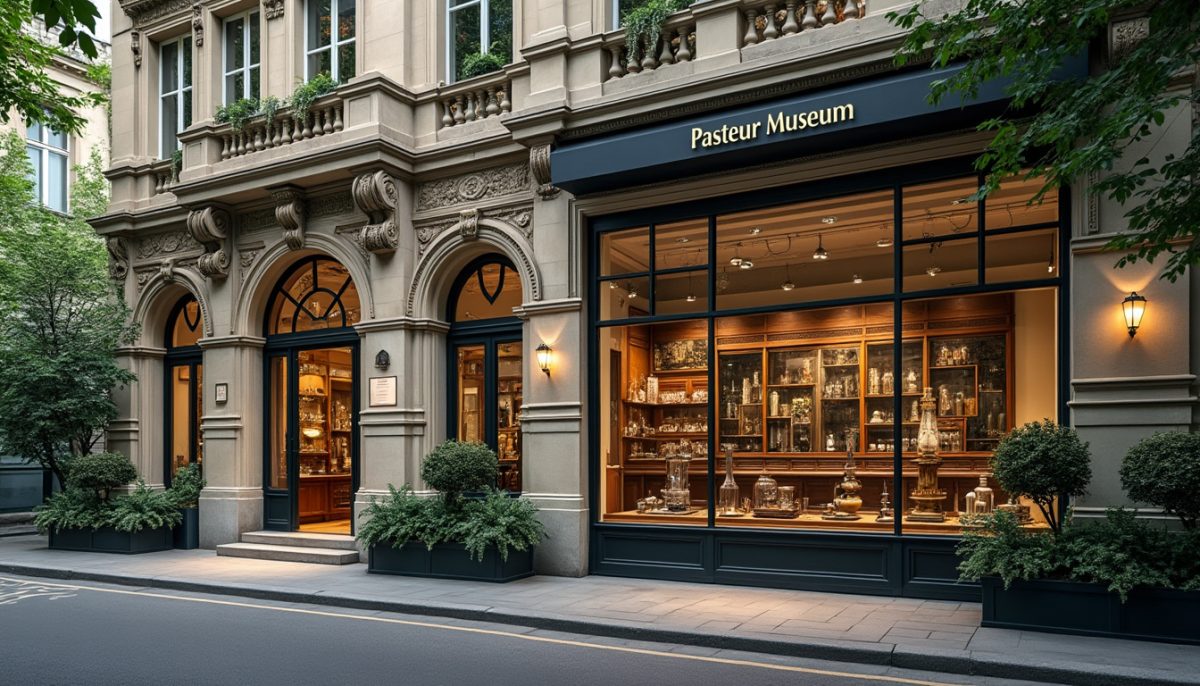
Hidden in the charming 15th Arrondissement of Paris lies a remarkable establishment—the Pasteur Museum. This museum serves as a vibrant homage to Louis Pasteur, a pivotal figure in the annals of scientific history. Renowned for his groundbreaking work in microbiology, Pasteur fundamentally shifted paradigms in both the field of medicine and public health. Designed to honor his extensive contributions, the museum encapsulates both the essence of the man and his revolutionary discoveries that have endured through time. This treasured space is not merely about exhibitions; it is a visceral experience that engages all the senses, inviting visitors to step into a world where science transcends the boundaries of the laboratory and deeply influences everyday life. Undertaking a museum visit here is not just an act of sightseeing but a journey into the heart of a legacy that has saved countless lives.
The Significance of the Pasteur Museum in Paris
The Pasteur Museum embodies a rich narrative encompassing not only the scientific breakthroughs of its namesake but also the social and cultural backdrop against which these pivotal discoveries occurred. Established in 1935, the museum occupies the apartment where Louis Pasteur spent the final years of his life, effectively serving as both a memorial and an educational institution. Visitors here are not merely taking in artifacts; they are stepping into the very space that played host to some of Pasteur’s most significant scientific explorations.
Within these walls, the museum showcases an array of exhibits that span the trajectory of Pasteur’s career, illustrating milestones that had lasting implications for French science and beyond. Whether one views the display of scientific instruments or engages with detailed narratives about Pasteur’s discoveries, it’s a place that encourages reflection and curiosity among its guests. Even as of 2026, it remains a vital point of reference for understanding the interwoven threads of scientific legacy and public health, particularly as society grapples with contemporary medical challenges.
Exploring the Museum’s Curated Exhibits
The museum boasts several rooms, each thoughtfully curated to highlight specific aspects of Pasteur’s life and work. One of the most captivating spaces is the laboratory where Pasteur conducted experiments that would change the course of medicine. Here, one can find meticulously restored equipment that offers a glimpse into the methodological rigor of 19th-century science. This allows visitors to appreciate the painstaking efforts that characterized Pasteur’s approach to research.
Additionally, the museum holds an impressive collection of scientific instruments. From early microscopes to flasks that bear testament to his pioneering work in sterilization and fermentation, each artifact tells a story. Together, they build a tapestry that showcases the transformative nature of Pasteur’s contributions, such as the development of vaccines against rabies and anthrax.
A Personal Connection: Louis Pasteur’s Life
Understanding Louis Pasteur goes beyond his scientific accolades; it’s essential to look into the personal dimension of his life. Born in 1822 in the small town of Dole, France, Pasteur was known for his relentless curiosity from a young age. He began his career as a chemist but quickly became captivated by the burgeoning field of microbiology. However, Pasteur’s journey was also fraught with personal challenges and tragedies that shaped his character and, consequently, his scientific ethos.
Throughout his adult life, he faced numerous familial hardships. With a total of five children, tragedy struck when several of them died young. Yet, these experiences deeply influenced Pasteur’s dedication to medicine and public health. They imbued him with a sense of responsibility to develop solutions that could prevent suffering. These personal stories are woven intricately into the exhibits at the museum, reminding guests that behind the scientific legacy lies a human story filled with resilience and perseverance.
The Role of Family: Marie Pasteur’s Support
Pasteur’s wife, Marie Laurent, was equally instrumental in his success. An intellectual in her own right, she provided steadfast support that allowed him to pursue his groundbreaking work. Often referred to as his “best collaborator,” Marie played crucial roles during challenging periods. Her influence is palpable in the museum, where personal belongings and photographs showcase their family life. These artifacts serve as poignant reminders that even the greatest scientists are often supported by resilient partners who share their dreams and burdens.
A Glimpse into the Future: Visiting the Museum
As of now, the Pasteur Museum is undergoing renovations to enhance the visitor experience and preserve its invaluable collections. Scheduled to reopen in November 2028, the museum strongly emphasizes its mission to not only educate visitors about Pasteur’s life but also to celebrate the ongoing pursuit of knowledge that he championed throughout his career.
Once operational, visitors can expect guided tours available in both English and French, allowing deeper engagement with the exhibits and a richer understanding of their context. Each tour will unveil the complexities of Pasteur’s scientific journey, demonstrating how his relentless quest for understanding continues to shape modern health policies and scientific research. The museum is small enough to foster an intimate atmosphere, making it perfect for reflective outings away from the more crowded attractions in Paris.
Preparing for Your Visit
When planning a visit, it is recommended to book tickets in advance due to the museum’s limited capacity. Given its unique offerings, the Pasteur Museum stands as a hidden treasure among Parisian attractions, merging history, science, and culture into a compelling narrative. It beckons both science enthusiasts and curious minds alike to explore the life and legacy of a man who remains a beacon in the world of scientific discoveries.
| Feature | Description |
|---|---|
| Location | 15th Arrondissement, Paris |
| Year Established | 1935 |
| Current Status | Closed for Renovation Until November 2028 |
| Exhibits | Scientific Instruments, Laboratory, Personal Artifacts |
| Visitation Details | Guided Tours Available, Book in Advance |
The Lasting Impact of Louis Pasteur
The legacy of Louis Pasteur extends far into domains beyond medicine; his work revolutionized agriculture and food safety. Through pasteurization, a process he developed to prevent spoilage in food and beverages, lives were saved, and diseases transmitted through food were significantly reduced. This method not only increased the longevity of consumables but also promoted public health on a broad scale.
Pasteur’s influence can also be seen in contemporary vaccinations and health protocols, which draw upon the principles he established. His contributions marked the birth of immunology as a scientific discipline, with methods that are now standard practices around the globe. In an age where public health continues to grapple with challenges, from pandemics to antibiotic resistance, Pasteur’s work serves as a cornerstone, constantly reminding society of the importance of scientific inquiry and civic responsibility.
Continuing the Journey
As scientific challenges evolve, museums like the Pasteur Museum maintain relevance by inspiring future generations. The integration of modern technology and interactive elements in upcoming renovations promises to attract and engage a diverse audience. By doing so, the museum not only honors the past but also fosters an environment where curiosity and innovation can thrive.